When it comes to a hairline treatment, many individuals wonder which approach delivers the most natural and lasting results. Whether you’re dealing with a receding hairline, thinning edges, or early signs of baldness, understanding the range of options can help you make an informed decision. In 2023, over 30% of men and 15% of women reported concerns about their hairline, highlighting the growing demand for reliable solutions.
This article explores the most common and cutting‑edge hairline treatment methods, from surgical transplants to non‑invasive therapies. We’ll examine how each technique works, who it’s best suited for, and what you can expect during and after the procedure. By the end, you’ll have a clear roadmap to restore a fuller, healthier hairline and regain confidence.
We’ll also discuss lifestyle factors, supportive hair growth products, and the role of medications such as finasteride and minoxidil in complementing procedural treatments. Let’s begin the journey toward a revitalized hairline.
Understanding the Causes of a Receding Hairline
Before selecting a hairline treatment, it’s essential to identify the underlying cause of hair loss. Genetics play a dominant role, especially in male pattern baldness, where the hair follicle shrinks over time—a process known as miniaturization. Hormonal factors, particularly dihydrotestosterone (DHT), can accelerate this process, making finasteride a common prescription to block DHT production.
Environmental stressors, nutritional deficiencies, and certain medical conditions also contribute to thinning hair at the front of the scalp. For example, low iron or vitamin D levels can impair hair growth, prompting many to incorporate hair growth supplements into their regimen. Understanding whether your hair loss is primarily hormonal, nutritional, or a combination will guide the choice between surgical and non‑surgical interventions.
- Genetic predisposition (androgenetic alopecia)
- Hormonal imbalances (elevated DHT)
- Nutrient deficiencies (iron, zinc, vitamin D)
- Stress and lifestyle factors
- Underlying scalp conditions (psoriasis, dermatitis)
| Cause | Typical Signs | Recommended Initial Approach |
|---|---|---|
| Genetic (male/female pattern) | Gradual recession, thinning at temples | Medical therapy (finasteride, minoxidil) + possible transplant |
| Hormonal (thyroid, PCOS) | Diffuse thinning, sudden shedding | Endocrine evaluation, address hormonal balance |
| Nutrient deficiency | Patchy loss, brittle hair | Dietary adjustments, supplements, hair growth products |
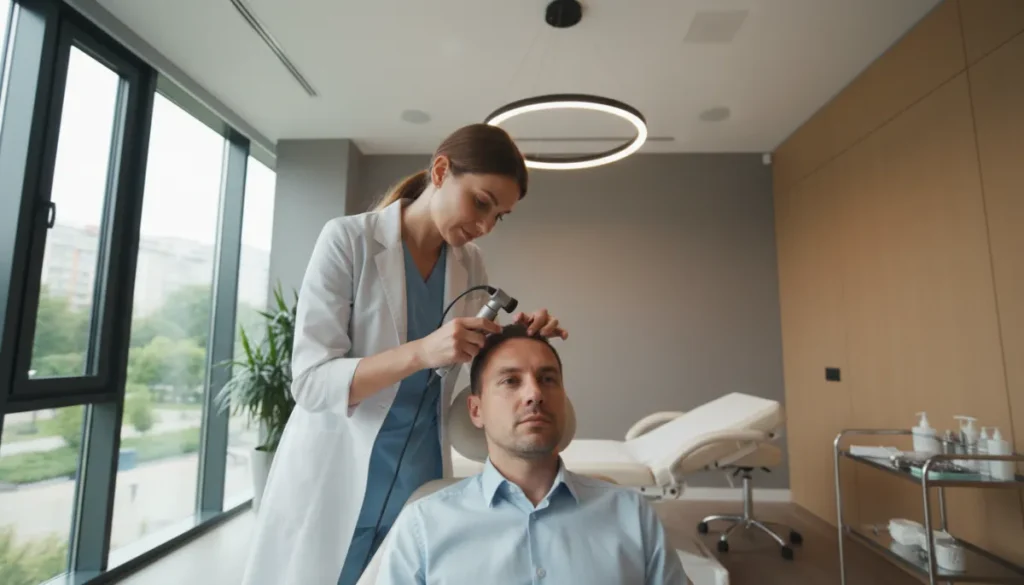
Accurate diagnosis often involves a brief consultation, blood tests, and scalp examination. Once the root cause is clarified, you can move forward with a targeted hairline treatment plan that maximizes effectiveness while minimizing unnecessary procedures.
Surgical Options: FUE and DHI Hair Transplant Techniques
For many seeking a permanent solution, surgical hair transplantation remains the gold standard. Two of the most popular methods are Follicular Unit Extraction (FUE) and Direct Hair Implantation (DHI). Both techniques involve harvesting healthy follicles from a donor area—typically the back of the head—and implanting them into the thinning front zone.
FUE uses a micro‑punch tool to extract individual follicular units, leaving minimal scarring. The extracted grafts are then meticulously placed into pre‑made incisions, allowing for precise control over angle and density. DHI builds on FUE by employing a specialized implanter pen that inserts grafts directly without creating prior incisions, reducing handling time and potentially improving graft survival.
Key Benefits of FUE
- Natural-looking hairline with customized angling
- Quick recovery—most patients resume daily activities within 3‑5 days
- Low risk of visible scarring, suitable for short hairstyles
Key Benefits of DHI
- Higher graft survival rate due to reduced exposure time
- More precise placement for delicate hairline areas
- Less postoperative discomfort compared to traditional FUE
Both procedures typically require a single session lasting 6‑10 hours, depending on the number of grafts needed. A typical hairline restoration may involve 1,500‑2,500 grafts, achieving a density of 30‑35 grafts per cm². Post‑procedure care includes gentle washing, avoiding direct sun, and using prescribed topical solutions to support graft integration.
When combined with supportive hair growth products—such as biotin‑rich shampoos or peptide serums—surgical results can be enhanced, providing a fuller appearance that lasts for years.
Non‑Surgical Treatments: Medications, Laser Therapy, and Topical Solutions
Not everyone is ready for surgery, and many achieve satisfactory results with non‑surgical hairline treatment options. The most widely studied medications are minoxidil and finasteride. Minoxidil, available over the counter in 2% and 5% formulations, stimulates hair follicles by widening blood vessels and prolonging the growth phase. Finasteride, a prescription oral tablet, reduces DHT levels, slowing follicle miniaturization.
Low‑level laser therapy (LLLT) devices—such as laser combs or caps—emit red light that enhances cellular metabolism in the scalp, promoting hair density. Clinical trials report a 20‑30% increase in hair count after six months of consistent use. While LLLT is safe and painless, results are typically modest compared to surgical methods.
Topical Enhancers and Supplements
- Hair growth products containing caffeine, ketoconazole, or peptides can complement medication.
- Supplements with biotin, zinc, and saw palmetto support overall hair health.
- PRP (Platelet‑Rich Plasma) injections, though technically minimally invasive, deliver growth factors directly to the scalp.
Combining these therapies often yields the best outcome. For instance, using minoxidil alongside a high‑quality hair growth supplement can accelerate the thickening of newly formed strands. Consistency is crucial—most regimens require at least three to six months before noticeable improvement.
Patients should consult a qualified specialist to tailor a regimen that aligns with their hair loss pattern, medical history, and lifestyle preferences.
Complementary Lifestyle Strategies for Sustaining Results
Even the most advanced hairline treatment benefits from supportive lifestyle habits. Nutrition plays a pivotal role; diets rich in lean protein, omega‑3 fatty acids, and antioxidants provide the building blocks for healthy hair follicles. Foods such as salmon, walnuts, spinach, and berries deliver essential nutrients that promote scalp circulation and reduce oxidative stress.
Stress management is equally important. Chronic stress elevates cortisol, which can disrupt the hair growth cycle and exacerbate shedding. Practices like mindfulness meditation, regular exercise, and adequate sleep (7‑9 hours per night) help maintain hormonal balance and improve overall hair vitality.
Practical Tips
- Consume a balanced diet with at least 0.8 g of protein per kilogram of body weight daily.
- Include a daily multivitamin containing biotin, zinc, and vitamin D.
- Limit heat styling and harsh chemical treatments that can weaken the hair shaft.
- Massage the scalp for 5 minutes each day to stimulate blood flow.
- Stay hydrated—aim for 2–3 liters of water per day.
When these habits are integrated with medical or surgical interventions, the longevity of the restored hairline improves significantly. Patients often report that adherence to a holistic plan reduces the need for repeat procedures and maintains the natural density achieved through treatment.
Why Choose Gold City Hair for Your Hairline Treatment
Gold City Hair combines decades of clinical expertise with state‑of‑the‑art facilities in Turkey. Since 2017, we have delivered personalized FUE, DHI, and eyebrow/beard transplants, prioritizing transparent communication and patient comfort. Our team of certified surgeons tailors each hairline treatment to the individual’s anatomy, ensuring natural‑looking results that blend seamlessly with existing hair.
Choosing us means accessing a comprehensive care pathway—from initial assessment and customized treatment planning to post‑procedure support and ongoing maintenance. We focus on restoring confidence, one hairline at a time.
Ready to transform your hairline? Contact Gold City Hair today to schedule a free, no‑obligation consultation and discover the best treatment plan for your unique needs.
Take the first step toward a fuller, natural‑looking hairline—your confidence awaits.
SSS
What are the main causes of a receding hairline?
Genetics, hormonal imbalances (especially DHT), nutrient deficiencies, stress, and scalp conditions can all cause a receding hairline.
How does FUE differ from DHI hair transplantation?
FUE extracts follicles with a micro‑punch and implants them after making incisions; DHI uses an implanter pen to place grafts directly without pre‑made incisions.
Can non‑surgical options like minoxidil and laser therapy effectively improve a thinning hairline?
Yes, they can stimulate growth and increase density, but results are generally modest compared to surgical transplants.
What lifestyle habits support long‑term hairline results after treatment?
Balanced nutrition, adequate protein, omega‑3s, vitamins, stress management, regular exercise, proper scalp care, and hydration are key.
Why should I choose Gold City Hair for my hairline treatment?
Gold City Hair offers experienced surgeons, personalized FUE/DHI procedures, and comprehensive after‑care in a modern Turkish clinic.





