Hair loss behind ears is a specific pattern of thinning that often goes unnoticed until it becomes more pronounced. This area can be affected by a range of factors, from hormonal changes to mechanical stress, and recognizing the signs early can make a big difference in treatment success. In fact, studies show that up to 30% of men and women experience some form of localized hair loss on the scalp, with the region behind the ears being a common hotspot.
In this article we will explore the most common causes, how to diagnose the problem accurately, and the range of both non‑surgical and surgical solutions available. Whether you are dealing with a mild bald spot or a more extensive thinning, understanding the underlying mechanisms will empower you to choose the right approach.
We’ll also discuss post‑treatment care to ensure lasting results and boost your confidence. Let’s dive into the details that matter for anyone concerned about hair loss behind ears.
Common Causes of Hair Loss Behind Ears
The area behind the ears is vulnerable to several distinct triggers. While the pattern may look similar to other forms of thinning, the root causes often differ, requiring a tailored approach.
Hormonal and Genetic Factors
Androgenetic alopecia, commonly known as male or female pattern baldness, can extend to the temporal and occipital regions, including the area behind the ears. Hormones such as dihydrotestosterone (DHT) shrink hair follicles over time, leading to hair thinning and eventual loss.
Alopecia Variants
Autoimmune conditions like alopecia areata may target isolated patches, sometimes appearing behind the ears. Telogen effluvium, a temporary shedding phase often triggered by stress or illness, can also manifest in this spot.
Mechanical Stress and Lifestyle
Frequent use of headphones, tight hats, or hair accessories can cause traction alopecia, pulling hair from the roots. Additionally, poor scalp hygiene and chronic inflammation may exacerbate the problem.
- Androgenetic alopecia (genetic predisposition)
- Alopecia areata (autoimmune)
- Telogen effluvium (stress‑related shedding)
- Traction alopecia (mechanical pulling)
- Scalp infections or dermatitis
How to Identify and Diagnose the Issue
Accurate diagnosis is essential before selecting a treatment plan. While visual inspection provides clues, a professional evaluation ensures that underlying conditions are not missed.
Visual Signs to Watch For
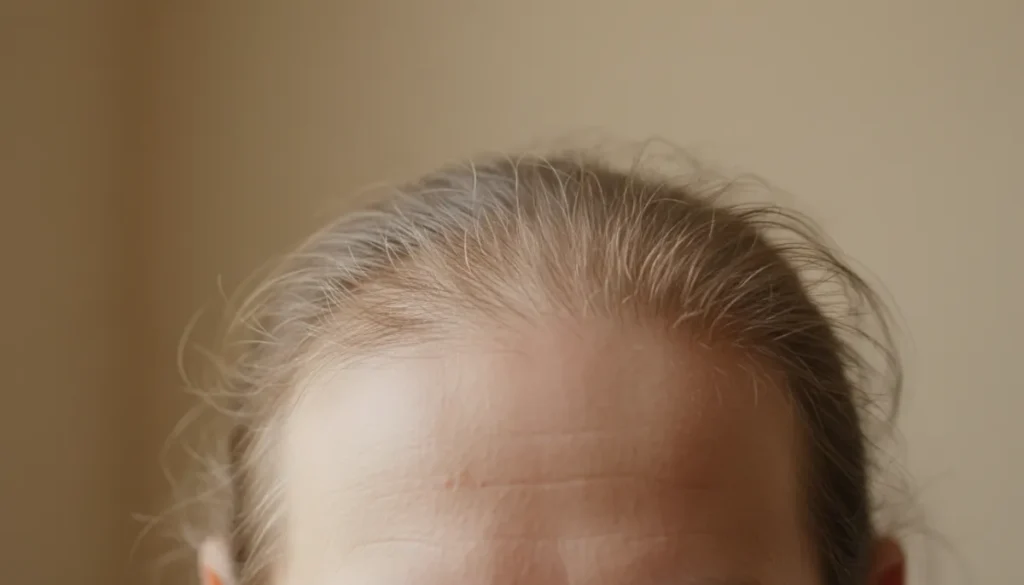
Look for a gradual reduction in hair density, small bald spots, or a noticeable contrast between the hairline and the area behind the ears. Pay attention to accompanying symptoms such as itching, redness, or scaling, which may indicate an inflammatory condition.
Medical Evaluation
A dermatologist or hair restoration specialist will typically perform a trichoscopic examination, sometimes supplemented with a scalp biopsy. Blood tests can reveal hormonal imbalances, iron deficiency, or thyroid issues that contribute to hair loss.
| Indicator | Possible Cause | Recommended Test |
|---|---|---|
| Gradual thinning | Androgenetic alopecia | Hormone panel (DHT, testosterone) |
| Round bald patches | Alopecia areata | Autoimmune panel |
| Sudden shedding | Telogen effluvium | Stress assessment, CBC |
| Redness, scaling | Scalp dermatitis | Dermatological exam |
Early detection allows for less invasive interventions and improves the likelihood of successful hair restoration.
Non‑Surgical Treatment Options
Before considering surgery, many patients achieve satisfactory results with non‑invasive methods. These approaches target the root causes and stimulate natural regrowth.
Topical and Oral Medications
Minoxidil (Rogaine) is a widely used topical solution that widens blood vessels, improving follicle nourishment. Finasteride, an oral prescription, reduces DHT levels and is especially effective for androgenetic patterns.
Lifestyle Adjustments
Improving scalp hygiene, reducing mechanical stress (e.g., loosening tight headwear), and managing stress through exercise or mindfulness can halt further loss. Nutritional support with biotin, zinc, and omega‑3 fatty acids also promotes healthier hair.
Advanced Non‑Surgical Therapies
Platelet‑rich plasma (PRP) injections deliver growth factors directly to the follicles, while low‑level laser therapy (LLLT) stimulates cellular activity. Both are safe, minimally invasive, and often combined with topical treatments for enhanced effect.
- Minoxidil 5% solution – apply twice daily
- Finasteride 1 mg oral – daily dose
- PRP sessions – 3‑4 treatments spaced 4‑6 weeks apart
- LLLT devices – 10‑15 minutes, 3‑4 times per week
- Balanced diet rich in proteins, vitamins, and minerals
While results vary, many patients notice visible improvement within 3‑6 months of consistent use.
When Surgical Restoration Is the Best Choice
For individuals with extensive or resistant hair loss behind ears, surgical options provide a permanent solution. Modern techniques ensure natural‑looking results with minimal downtime.
Foliküler Ünite Ekstraksiyonu (FUE)
FUE involves harvesting individual follicular units from a donor area (usually the back of the scalp) and implanting them into the thinning zone. This method leaves tiny, dot‑like scars that are virtually invisible.
Direct Hair Implantation (DHI)
DHI uses a specialized implanter pen that places grafts directly into the recipient site without creating prior incisions. This can increase graft survival rates and reduce handling time.
What to Expect
Typical sessions last 4‑8 hours, depending on the number of grafts needed. Patients generally return to light activities within 2‑3 days, with full results visible after 9‑12 months as the transplanted hair enters the growth cycle.
- Consultation and planning – assessment of donor area
- Extraction – precise removal of grafts
- Implantation – strategic placement behind ears
- Post‑op care – gentle washing, medication, and monitoring
- Follow‑up – periodic evaluations to track growth
Choosing a qualified clinic with experienced surgeons is crucial for optimal outcomes.
Maintaining Healthy Hair After Treatment
Whether you opt for medication, PRP, or a transplant, long‑term maintenance is essential to preserve results and prevent recurrence.
Post‑Procedure Care
After surgery, avoid direct sunlight, harsh chemicals, and tight hairstyles for at least two weeks. Gentle shampooing with sulfate‑free products helps protect the new grafts.
Nutrition and Lifestyle
Consume a balanced diet rich in lean proteins, leafy greens, and healthy fats. Regular exercise improves circulation, delivering nutrients to the scalp more efficiently.
Ongoing Monitoring
Schedule periodic check‑ins with your specialist to assess hair density and address any emerging issues promptly. Early intervention can mitigate future loss.
- Use mild, pH‑balanced shampoos
- Apply sunscreen or hats when outdoors
- Maintain a diet with biotin, vitamin D, and iron
- Limit heat styling and chemical treatments
- Attend follow‑up appointments every 6‑12 months
Consistent care not only sustains the aesthetic results but also promotes overall scalp health.
Why Choose Gold City Hair
Gold City Hair has been delivering personalized hair restoration solutions in Turkey since 2017. Our clinic combines the latest FUE and DHI technologies with a compassionate, transparent approach, ensuring each patient receives a treatment plan tailored to their unique needs. With a focus on natural results and long‑term satisfaction, we empower individuals to regain confidence through expert care.
Ready to take the next step toward a fuller, healthier look? Contact Gold City Hair today to schedule a personalized consultation and discover the best solution for your hair loss behind ears.
SSS
What are the common causes of hair loss behind ears?
Typical causes include androgenetic alopecia, alopecia areata, telogen effluvium, traction alopecia, and scalp infections or dermatitis.
How can I diagnose hair loss behind my ears?
A dermatologist will perform a visual exam, trichoscopy, possibly a scalp biopsy, and blood tests to pinpoint the underlying cause.
What non‑surgical treatments are effective for hair loss behind ears?
Topical minoxidil, oral finasteride, PRP injections, low‑level laser therapy, and lifestyle changes are common non‑surgical options.
When is surgical hair restoration recommended for hair loss behind ears?
Surgery is advised for extensive or resistant thinning when non‑surgical methods have failed or when a permanent solution is desired.
How should I care for my scalp after hair loss treatment?
Use gentle, sulfate‑free shampoos, avoid sun and harsh chemicals, maintain a balanced diet, and attend regular follow‑ups.
Can lifestyle changes prevent hair loss behind ears?
Yes, reducing mechanical stress, managing stress, and maintaining scalp hygiene can significantly lower the risk of thinning in that area.
What is the difference between FUE and DHI hair transplant techniques?
FUE extracts grafts and creates recipient sites before implantation, while DHI implants grafts directly with a pen, eliminating the need for pre‑made incisions.