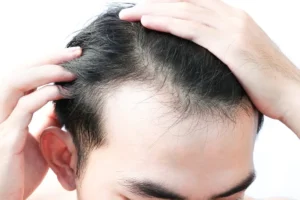
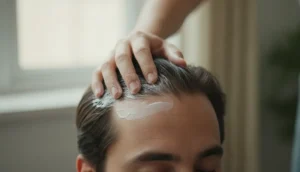
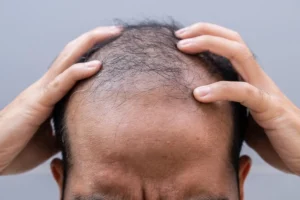
Low level laser therapy devices have become a popular non‑surgical option for individuals seeking to combat hair loss. These compact, medical‑grade tools use specific wavelengths of light to stimulate dormant follicles, encouraging natural hair regrowth. In this article we explore how the technology works, what to look for when choosing a device, and how it can complement surgical procedures such as FUE or DHI transplants.
According to recent clinical studies, more than 60% of users report visible improvement after just three months of consistent treatment. This statistic highlights the growing confidence in photobiomodulation as a viable adjunct to traditional hair restoration methods. Below, we break down the science, key features, benefits, and safety considerations you need to know before investing in a low level laser therapy device.
Whether you are exploring red light therapy for the first time or looking to enhance the results of a recent transplant, understanding the underlying mechanisms will help you make an informed decision and achieve the best possible outcome.
How Low Level Laser Therapy Works
The principle behind low level laser therapy (LLLT) is photobiomodulation, a process where light photons are absorbed by cellular chromophores, leading to increased ATP production and improved blood flow. Low level laser therapy devices typically emit red or near‑infrared wavelengths (630‑670 nm and 800‑880 nm) that penetrate the scalp to reach hair follicles.
Key mechanisms include:
- Activation of cytochrome c oxidase, boosting cellular energy.
- Release of nitric oxide, which dilates blood vessels and enhances nutrient delivery.
- Modulation of inflammatory pathways, reducing oxidative stress around the follicle.
- Stimulation of stem cells in the bulge region, encouraging new hair shaft formation.
Research shows that regular exposure to these wavelengths can extend the anagen (growth) phase of the hair cycle, leading to thicker, longer strands. The therapy is painless, non‑invasive, and can be safely performed at home, making it an attractive option for both men and women experiencing early‑stage alopecia.

Key Features to Look for in Medical‑Grade Devices
Not all devices are created equal. When selecting a low level laser therapy device, consider the following specifications to ensure safety and efficacy:
| Feature | Why It Matters |
|---|---|
| Wavelength (nm) | Optimal ranges (630‑670 nm for red, 800‑880 nm for near‑infrared) penetrate the scalp effectively. |
| Power Output (mW) | Higher power can shorten treatment time but must stay within safe limits. |
| Beam Density | Uniform distribution ensures consistent exposure across the scalp. |
| Treatment Area (cm²) | Larger areas reduce session length for extensive hair loss. |
| Battery Life | Portable units should last for multiple sessions without recharging. |
| Medical Certification | CE or FDA clearance confirms compliance with safety standards. |
Popular device categories include handheld caps, headbands, and targeted panels. Handheld units are ideal for precise treatment of thinning spots, while caps provide full‑scalp coverage in a single session. Additionally, some models incorporate infrared light to enhance deeper tissue penetration, a feature often highlighted in “infrared light therapy” discussions.
When evaluating options, compare the listed specifications against your specific hair loss pattern and lifestyle. A device with a broader treatment area may be more suitable for diffuse thinning, whereas a focused “red light therapy mask” could be perfect for localized patches.
Benefits of Red Light Therapy for Hair Growth
Red light therapy, a subset of low level laser therapy, offers several advantages that directly address the common concerns of hair loss patients. Clinical trials have demonstrated that consistent use can increase hair density by up to 30% in some participants.
Notable benefits include:
- Improved scalp circulation: Enhanced blood flow delivers oxygen and nutrients essential for follicle health.
- Reduction of inflammation: Calms the immune response that can damage hair follicles.
- Stimulation of stem cells: Promotes the activation of dormant follicles, encouraging new growth.
- Non‑invasive and painless: No downtime, making it compatible with daily routines.
- Compatibility with other treatments: Can be safely combined with topical minoxidil or post‑transplant care.
Many users also report secondary advantages such as improved skin texture and reduced dandruff, aligning with broader “red light therapy benefits” for skin health. While the primary goal remains hair regeneration, the ancillary effects contribute to overall scalp wellbeing.
For those considering home use, devices labeled as “medical‑grade red light therapy devices” typically provide the most reliable output and are backed by clinical research. Selecting a certified product ensures that the emitted light meets the therapeutic thresholds required for effective photobiomodulation.
Integrating Laser Therapy with Hair Transplant Treatments
Patients who have undergone hair transplant procedures such as Follicular Unit Extraction (FUE) or Direct Hair Implantation (DHI) can benefit from adjunctive low level laser therapy. The post‑operative use of low level laser therapy devices supports graft survival by reducing inflammation and promoting rapid revascularization.
Key integration points:
- Immediate post‑surgery: Light exposure within the first week can accelerate wound healing.
- Maintenance phase: Regular sessions maintain graft vitality and prevent mini‑miniaturization.
- Combined protocols: Pairing laser therapy with platelet‑rich plasma (PRP) enhances growth factor delivery.
Studies indicate that patients who incorporate LLLT into their post‑transplant regimen experience a higher graft retention rate, often exceeding 90% compared to 80% in those who rely on transplant alone. This synergy underscores the importance of a comprehensive hair restoration plan that leverages both surgical precision and the regenerative power of photobiomodulation.
When planning your treatment schedule, consult with your transplant specialist to determine the optimal timing and frequency of laser sessions. Consistency is crucial; most protocols recommend three sessions per week for the first three months, followed by a maintenance schedule of once or twice weekly.
Safety, Risks, and Best Practices
While low level laser therapy is generally regarded as safe, understanding potential risks ensures responsible use. The most common concerns revolve around over‑exposure, improper device handling, and contraindications for certain medical conditions.
Safety considerations:
- Eye protection: Use goggles if the device emits visible light directly toward the eyes.
- Session duration: Follow manufacturer guidelines; typical sessions last 15‑30 minutes.
- Skin sensitivity: Perform a patch test if you have a history of photosensitivity.
- Medical conditions: Consult a physician if you have active skin cancers or are undergoing radiation therapy.
- Device certification: Choose products with CE or FDA clearance to guarantee compliance.
Research has shown that red light therapy does not increase cancer risk when used within therapeutic parameters. However, excessive exposure can cause temporary erythema or mild scalp irritation. To minimize these effects, start with shorter sessions and gradually increase duration as tolerated.
Best practices include maintaining a consistent schedule, keeping the device clean, and monitoring progress with photographs. Documenting changes every four weeks helps you assess efficacy and adjust treatment plans accordingly.
Why Choose Gold City Hair
Gold City Hair combines decades of expertise in hair restoration with a commitment to personalized care. Since 2017, our clinic in Turkey has delivered successful FUE, DHI, and eyebrow/beard transplants, ensuring each patient receives a tailored plan that addresses their unique needs. Our team of experienced surgeons and specialists works closely with you to integrate advanced technologies, such as low level laser therapy, into a comprehensive treatment strategy. Trust Gold City Hair for transparent communication, proven results, and a supportive journey toward renewed confidence.
Ready to revitalize your hair with the latest low level laser therapy technology? Contact Gold City Hair today to schedule a free consultation and discover a customized plan that blends surgical excellence with cutting‑edge photobiomodulation.
Take the first step toward fuller, healthier hair—your transformation begins now.
SSS
How does low level laser therapy stimulate hair growth?
LLLT uses specific red or near‑infrared wavelengths to boost cellular energy, improve blood flow, and activate stem cells in hair follicles.
What wavelengths are most effective for hair restoration?
Red light (630‑670 nm) and near‑infrared light (800‑880 nm) are the therapeutic ranges most commonly used.
Are low level laser therapy devices safe for home use?
Yes, when used according to manufacturer guidelines and with proper eye protection, they are considered safe for home treatment.
Can LLLT be combined with hair transplant procedures?
Yes, LLLT can be used post‑operatively to improve graft survival and accelerate healing.
How long does it take to see results from laser therapy?
Most users notice visible improvement after 3‑4 months of consistent treatment.
What should I look for when buying a medical‑grade laser device?
Check wavelength, power output, beam density, treatment area, battery life, and regulatory certification (CE/FDA).