When the itchy scalp becomes a daily annoyance and hair begins to thin, many people wonder what is happening beneath the surface. The causes of itchy scalp and thinning hair are often multifactorial, involving skin conditions, hormonal shifts, lifestyle habits, and nutritional status. Recognizing the underlying triggers is the first step toward effective treatment and restoring confidence.
According to dermatological studies, up to 30% of adults experience persistent scalp itching at some point, and a significant portion of those individuals also notice a reduction in hair density. This overlap is not coincidental; the scalp’s health directly influences follicle vitality.
In this article we will explore the most common medical and environmental factors that contribute to an itchy scalp and hair thinning, explain how they interrelate, and outline practical steps you can take before considering advanced restorative procedures.
Common Dermatological Conditions Behind Itchy Scalp and Hair Thinning
Skin disorders are the leading culprits when it comes to scalp irritation and subsequent hair loss. Two conditions stand out for their prevalence and impact.
Seboreik Dermatit
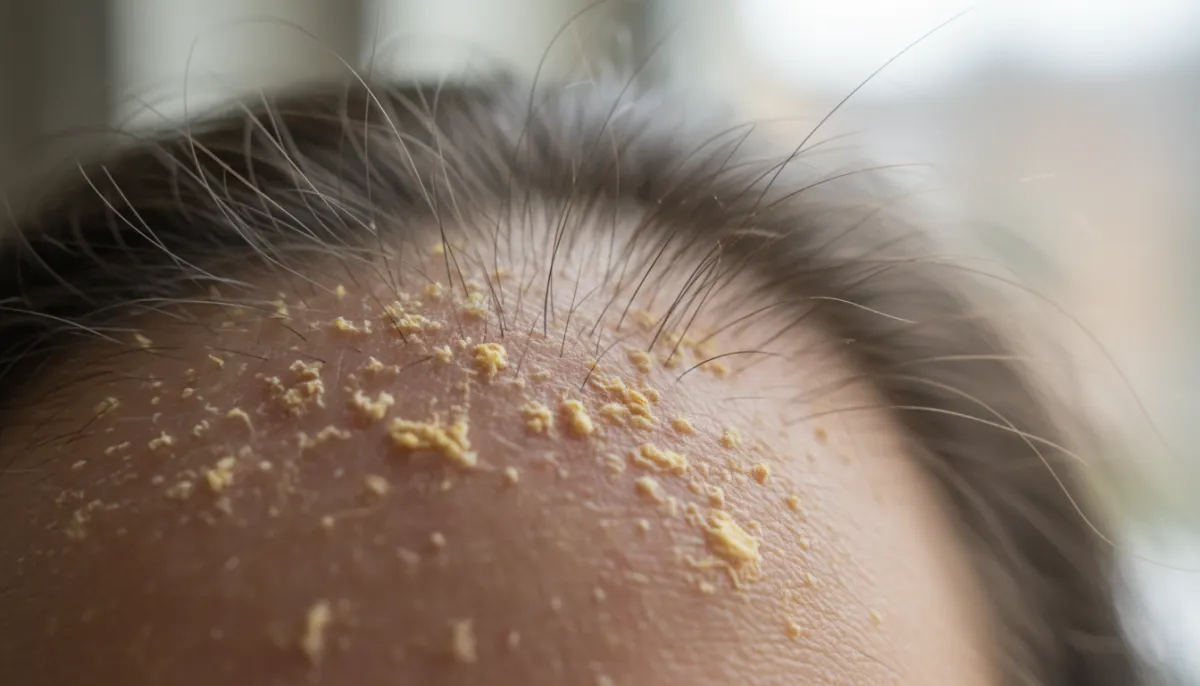
Seborrheic dermatitis is a chronic inflammatory condition that produces greasy, yellowish scales and intense itching. The excess oil and flaking can clog hair follicles, weakening the hair shaft and accelerating shedding. It often worsens in colder months when indoor heating dries the skin.
Scalp Psoriasis
Psoriasis manifests as thick, silvery plaques that may extend beyond the scalp to the neck and ears. The rapid turnover of skin cells creates an environment where hair follicles struggle to anchor new growth, leading to noticeable thinning.
Both conditions can be aggravated by stress, hormonal fluctuations, and certain hair care products.
| Condition | Key Symptoms | Impact on Hair |
|---|---|---|
| Seboreik Dermatit | Itchy, oily flakes; redness | Follicle clogging, increased shedding |
| Scalp Psoriasis | Thick silvery plaques; soreness | Follicle disruption, weakened shafts |
| Atopic Dermatitis | Dry, itchy patches; eczema | Inflammation leads to temporary thinning |
Hormonal and Genetic Factors Influencing Hair Loss
Hormones play a decisive role in the growth cycle of hair follicles. Imbalances can trigger both itching and thinning, often without obvious external signs.
Androgenetik Alopesi
Also known as male or female pattern baldness, androgenetic alopecia is driven by dihydrotestosterone (DHT) sensitivity. While the primary symptom is progressive thinning, many patients report an itchy sensation as mini‑aturized hairs become more vulnerable.
Thyroid Disorders
Both hypothyroidism and hyperthyroidism can disturb the scalp’s oil balance, leading to dryness, itch, and diffuse thinning. A simple blood test can reveal thyroid hormone levels, guiding appropriate medical management.
- Check DHT levels if you notice a receding hairline.
- Monitor thyroid function annually, especially if you have other systemic symptoms.
- Consider a dermatologist’s evaluation for early‑stage androgenetic alopecia.
Mechanical and Lifestyle Triggers
Everyday habits can unintentionally stress the scalp, creating a cycle of itch and hair loss.
Traction Alopecia
Hairstyles that pull tightly on the hair—such as braids, ponytails, or extensions—exert constant tension on the follicles. Over time, this leads to inflammation, itching, and permanent thinning in the affected zones.
Heat Styling and Over‑Washing
Frequent use of high‑heat tools or harsh shampoos strips natural oils, leaving the scalp dry and itchy. The resulting irritation can weaken hair shafts and accelerate shedding.
- Limit heat styling to 2–3 times per week.
- Choose sulfate‑free, pH‑balanced shampoos.
- Allow hair to air‑dry when possible.
Nutritional Deficiencies and Scalp Health
Hair is built from protein, and its growth relies on a steady supply of essential nutrients. Deficiencies can manifest as both itchiness and thinning.
Key Micronutrients
Iron, zinc, and vitamin D are especially important. Iron deficiency reduces oxygen delivery to follicles, while zinc supports oil gland function, and vitamin D regulates the hair growth cycle.
- Iron: Include lean red meat, lentils, and spinach.
- Zinc: Nuts, seeds, and shellfish are rich sources.
- D Vitamini: Sun exposure and fortified foods help maintain levels.
Blood tests can pinpoint deficiencies, allowing targeted supplementation that often reduces scalp itching and improves hair density within months.
When Itchy Scalp Signals an Underlying Medical Issue
Occasionally, persistent itch and thinning are warning signs of more serious conditions that require medical attention.
Alopesi Areata
This autoimmune disorder causes sudden, patchy hair loss and can be accompanied by a mildly itchy scalp. Unlike pattern baldness, the loss is typically rapid and localized.
Fungal and Bacterial Infections
Conditions such as tinea capitis (ringworm) or folliculitis produce inflammation, itching, and hair breakage. Diagnosis involves a scalp culture or Wood’s lamp examination.
| Condition | Typical Signs | Recommended Action |
|---|---|---|
| Alopesi Areata | Sudden patchy loss, mild itch | Dermatology referral, possible immunotherapy |
| Tinea Capitis | Scaly patches, intense itch, hair breakage | Antifungal medication, scalp hygiene |
| Folikülit | Red bumps, pus, itching | Topical antibiotics, keep scalp clean |
Why Choose Gold City Hair for Your Hair Restoration Journey
Gold City Hair has been delivering personalized hair restoration solutions in Turkey since 2017. Our clinic combines advanced techniques such as FUE and DHI with a compassionate, transparent approach. Whether you are addressing the underlying causes of an itchy scalp or seeking a permanent transplant solution, our experienced team ensures a safe, comfortable experience tailored to your unique needs.
Ready to take control of your scalp health and regain confidence? Contact Gold City Hair today to schedule a comprehensive consultation and discover the best path forward for lasting hair restoration.
SSS
What are the most common dermatological conditions that cause an itchy scalp and thinning hair?
The most common skin conditions are seborrheic dermatitis, scalp psoriasis, and atopic dermatitis.
How does seborrheic dermatitis lead to hair thinning?
Seborrheic dermatitis creates oily flakes that block follicles and increase hair shedding.
Can hormonal imbalances cause both scalp itching and hair loss?
Yes, hormone fluctuations such as DHT sensitivity and thyroid disorders can trigger itch and thinning.
What lifestyle habits can trigger an itchy scalp and hair thinning?
Tight hairstyles, frequent heat styling, and over‑washing are common triggers.
Which nutrients are essential for preventing scalp itch and hair loss?
Iron, zinc, and vitamin D are key micronutrients for scalp and hair health.
When should I see a doctor for an itchy scalp and thinning hair?
Seek medical advice if itching persists for more than a few weeks or is accompanied by rapid hair loss.





