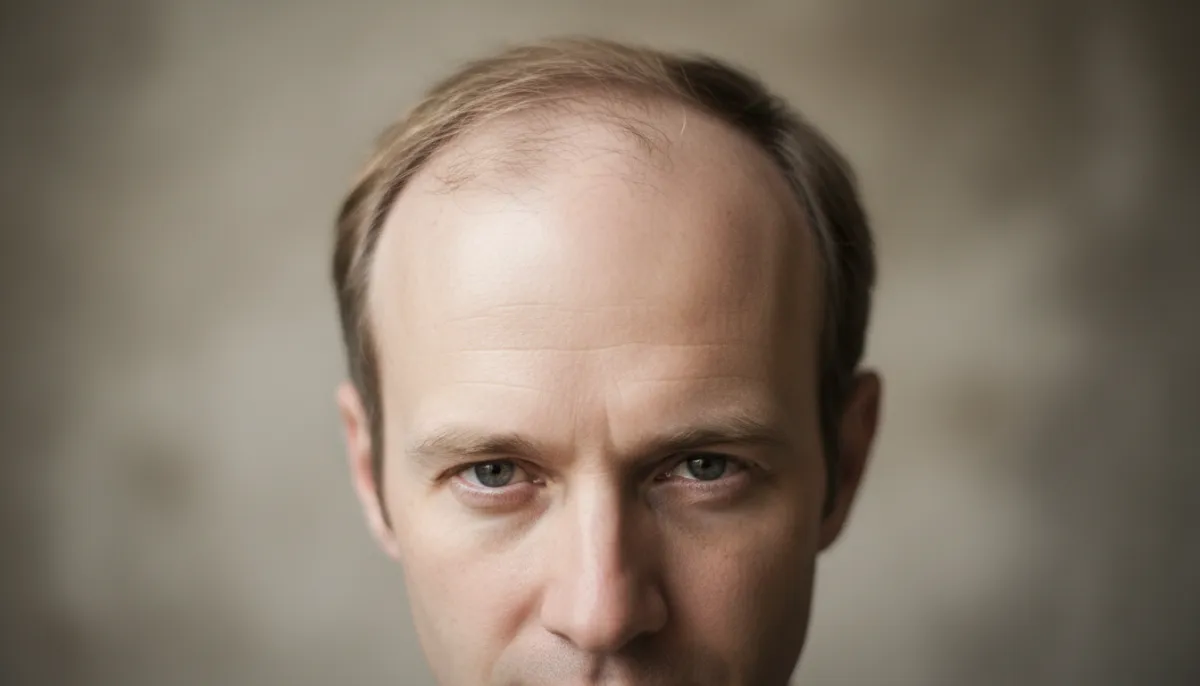
Many people wonder how to regrow hair in the front when they notice a receding hairline or thinning at the forehead. Understanding the underlying causes and the range of effective solutions is essential for restoring confidence and achieving lasting results.
Front hair loss can be especially distressing because it directly affects the silhouette of the face. Studies show that up to 40% of men experience noticeable frontal thinning by age 35, while women often report a widening part line as a sign of early loss. This article walks you through the science behind front hair loss, explores non‑surgical and surgical treatments, and offers practical lifestyle tips to support natural regrowth.
By the end, you’ll have a clear roadmap: when to try topical products, when medication may help, and when a professional hair transplant provides the most reliable outcome.
Understanding Front Hair Loss
The frontal scalp is uniquely vulnerable due to hormonal influences, genetics, and environmental stressors. Recognizing the specific triggers enables targeted intervention.
Common Causes of a Receding Hairline
- Androgen‑dependent mini‑miniaturization of follicles (often linked to dihydrotestosterone)
- Genetic predisposition inherited from parents
- Chronic tension from tight hairstyles or frequent pulling
- Nutrient deficiencies, especially iron, zinc, and biotin
- Stress‑induced telogen effluvium affecting the front zone
How Follicles React to Damage
When follicles are exposed to excess DHT, they shrink and produce finer hairs. Over time, the growth phase shortens, leading to visible thinning at the hairline. Early intervention can reverse this process by either blocking DHT or stimulating follicular activity.
Non‑Surgical Options to Stimulate Growth
Before considering surgery, many patients explore topical and oral treatments that can promote regrowth in the front area. These options are often the first line of defense and can be combined for synergistic effect.
Topical Solutions
Minoxidil (2% for women, 5% for men) remains the most widely studied hair growth product. Applied twice daily, it increases blood flow and prolongs the anagen phase, delivering noticeable improvement after 3–6 months.
Oral Medications
Finasteride, a prescription pill that reduces DHT production, is effective for many men with front hair loss. Women of childbearing age should avoid it, but alternative anti‑androgens like spironolactone can be considered.
Supplements and Vitamins
Best hair growth supplements often contain biotin, saw palmetto, and marine collagen. While not a miracle cure, they support overall follicle health when paired with a balanced diet.
| Product Type | Key Ingredient | Typical Onset of Results | Considerations |
|---|---|---|---|
| Minoxidil Foam | Minoxidil 5% | 3–6 months | May cause scalp irritation |
| Finasteride Tablet | Finasteride 1 mg | 4–12 months | Requires prescription; not for women |
| Biotin‑Rich Supplement | Biotin 5000 µg | 6+ months | Supports overall hair health |
When Surgical Intervention Is the Best Choice
If non‑surgical methods fail to deliver satisfactory density, a hair transplant may be the most reliable way to regrow hair in the front. Modern techniques provide natural‑looking results with minimal downtime.
FUE (Follicular Unit Extraction)
FUE removes individual follicular units from a donor area (typically the back of the scalp) and implants them into the frontal zone. The method allows precise placement, recreating a natural hairline angle.
DHI (Doğrudan Saç İmplantasyonu)
DHI utilizes a patented implanter pen that places grafts at the exact depth and angle required for the front. This technique reduces handling time and can improve graft survival.
Benefits of Front‑Focused Transplant
- Immediate visual improvement of the hairline
- Long‑lasting, permanent hair follicles
- Customizable design to match facial features
- Low risk of visible scarring with FUE/DHI
Lifestyle and Home Care Practices
Even after medical or surgical treatment, daily habits play a crucial role in maintaining a healthy front hairline.
Nutrition for Hair Strength
- Protein‑rich foods (lean meats, legumes, nuts) to supply keratin building blocks
- Omega‑3 fatty acids (salmon, flaxseed) for scalp circulation
- Vitamin D and iron to prevent follicular miniaturization
Scalp Stimulation Techniques
Gentle scalp massage with fingertips or a soft brush for 5 minutes daily can increase blood flow, encouraging follicle activity. Low‑level laser therapy (LLLT) devices are also an option for at‑home use.
Hair‑Friendly Grooming
- Avoid tight ponytails or bands that pull on the front
- Use sulfate‑free, mild shampoos to reduce irritation
- Limit heat styling; when necessary, use a heat protectant
Setting Realistic Expectations and Follow‑Up Care
Understanding the timeline for front hair regrowth helps manage expectations and ensures compliance with post‑treatment protocols.
Typical Growth Timeline
- Weeks 1‑4: Shedding of weak hairs (normal phase)
- Months 3‑6: New fine hairs become visible
- Months 9‑12: Thickening and increased density
Maintenance After a Transplant
Patients should continue using gentle shampoos and, if prescribed, low‑dose finasteride or minoxidil to protect existing grafts. Regular check‑ups with a hair specialist allow early detection of any issues.
Why Choose Gold City Hair
Gold City Hair combines over six years of expertise with state‑of‑the‑art FUE and DHI techniques performed by board‑certified surgeons. Our personalized approach ensures each front hairline is designed to complement your facial structure, while transparent communication keeps you informed at every step. Located in Turkey, we offer world‑class care at a competitive price, backed by a track record of satisfied clients who have reclaimed their confidence.
Ready to restore a natural, full front hairline? Contact Gold City Hair today to schedule a free, no‑obligation consultation and start your personalized treatment plan.
Take the first step toward lasting confidence—your new look awaits.
SSS
What are the main causes of front hair loss?
Front hair loss is mainly caused by DHT‑induced follicle mini‑miniaturization, genetics, tight hairstyles, nutrient deficiencies, and stress‑related telogen effluvium.
How does minoxidil help regrow hair in the front?
Minoxidil widens blood vessels in the scalp, increasing blood flow and prolonging the anagen (growth) phase, which stimulates new hair growth after several months of use.
When should I consider a hair transplant for frontal thinning?
A transplant is advisable when non‑surgical treatments have not achieved satisfactory density after 6–12 months, or when you desire a permanent, immediate improvement in the hairline.
What lifestyle changes can support front hair regrowth?
A balanced diet rich in protein, omega‑3s, iron, and vitamin D, regular scalp massage, stress management, and gentle hair‑care practices all promote healthier front hair.
What is the typical timeline for seeing results after treatment?
Initial shedding occurs in weeks 1‑4, fine new hairs appear by months 3‑6, and noticeable thickening usually develops between months 9‑12.
What are the differences between FUE and DHI for front hairline restoration?
FUE extracts individual grafts from the donor area and implants them manually, while DHI uses a patented implanter pen for direct placement, reducing handling time and improving graft survival.
Are there any side effects of finasteride for front hair loss?
Finasteride can cause sexual side effects, decreased libido, and rare mood changes; women of child‑bearing age should avoid it due to teratogenic risk.
How can I maintain results after a hair transplant?
Continue gentle scalp care, use prescribed low‑dose finasteride or minoxidil, and schedule regular follow‑ups with your surgeon to monitor graft health.





