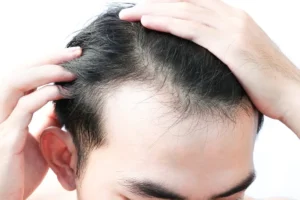
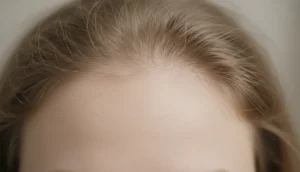
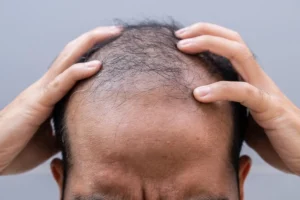
Many women notice female thinning hair front head as a subtle widening of the hairline or a noticeable loss of density over the forehead. This pattern of hair loss can affect confidence and styling options, yet it is often misunderstood and under‑treated. In this article we will explore the underlying causes, how specialists diagnose the condition, and the range of both non‑surgical and surgical solutions available today. Understanding the science behind front‑line thinning empowers you to make informed decisions and choose the right treatment path.
According to recent dermatology surveys, up to 40 % of women experience some degree of frontal hair thinning by the age of 45. Hormonal shifts, genetics, and lifestyle factors all play a role, and each case may require a personalized approach. Below we break down the most common triggers, the diagnostic tools you can expect, and the innovative procedures offered by leading clinics such as Gold City Hair.
Whether you are seeking medical advice, exploring hair‑restoration techniques, or simply wanting to maintain healthy hair, the information here provides a clear roadmap toward regaining a fuller, more confident appearance.
Causes of Female Thinning Hair at the Front of the Head
Identifying the root cause of female thinning hair front head is the first step toward effective treatment. While the pattern may look similar across patients, the underlying mechanisms can differ dramatically.
Hormonal Factors
Fluctuations in estrogen and progesterone during puberty, pregnancy, postpartum, and menopause often lead to temporary or permanent hair loss. Conditions such as polycystic ovary syndrome (PCOS) increase androgen levels, which can accelerate thinning at the frontal scalp.
Genetic Influences
Androgenetic alopecia, commonly known as female pattern baldness, is inherited and typically manifests as diffuse thinning that starts at the crown and progresses toward the front. Even women without a strong family history may carry genetic markers that predispose them to front‑line hair loss.
Other Contributing Factors
- Stress‑related telogen effluvium, where a large number of hairs enter the shedding phase simultaneously.
- Autoimmune conditions such as alopecia areata, which can target specific patches including the forehead.
- Nutritional deficiencies (iron, vitamin D, zinc) that weaken hair follicles.
- Harsh styling practices—tight ponytails, heat tools, and chemical treatments—that cause traction and breakage.
By evaluating these variables, clinicians can tailor a treatment plan that addresses the specific drivers of your front‑head thinning.

How to Diagnose Front Hair Thinning in Women
Accurate diagnosis combines visual assessment with specialized tests to distinguish between temporary shedding and progressive alopecia. Dermatologists and hair‑restoration specialists use a systematic approach to ensure the right treatment is selected.
Clinical Examination
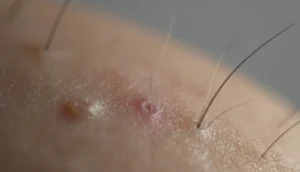
A thorough scalp inspection, often aided by a magnifying loupe, helps identify patterns, inflammation, or scarring. The examiner will note the density, miniaturization of hairs, and any signs of follicular damage.
Trichoscopic Evaluation
Trichoscopy is a non‑invasive imaging technique that reveals follicular details at high magnification. It can differentiate androgenetic alopecia from telogen effluvium by showing hair shaft thickness and the proportion of vellus‑like hairs.
Laboratory Tests
Blood work may include hormone panels (thyroid, androgen), iron studies, and autoimmune markers to rule out systemic causes.
| Diagnostic Method | Purpose | Typical Findings for Front Thinning |
|---|---|---|
| Clinical Exam | Visual pattern recognition | Diffuse thinning, miniaturized hairs |
| Trichoscopy | Microscopic follicle analysis | Increased vellus hairs, perifollicular inflammation |
| Blood Tests | Identify hormonal or nutritional deficiencies | Low ferritin, elevated DHT, thyroid imbalance |
Once the cause is pinpointed, the practitioner can recommend the most appropriate therapeutic pathway.
Non‑Surgical Treatment Options for Front Hair Thinning
Before considering surgery, many patients benefit from medical and cosmetic approaches that can halt or reverse female thinning hair front head progression.
Topical and Oral Medications
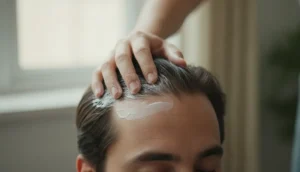
- Minoxidil 5% – the only FDA‑approved topical solution for women, stimulates follicular activity and can improve density after 4–6 months of consistent use.
- Anti‑androgen agents (e.g., spironolactone) – reduce the effect of DHT on hair follicles, particularly useful for PCOS‑related thinning.
- Oral iron or vitamin D supplementation – corrects deficiencies that impair hair growth.
Platelet‑Rich Plasma (PRP) Therapy
PRP involves injecting concentrated platelets from the patient’s own blood into the scalp. Growth factors released during the procedure promote follicle regeneration and have shown promising results for frontal thinning.
Low‑Level Laser Therapy (LLLT)
LLLT devices, such as helmets or combs, emit red light that enhances cellular metabolism in hair follicles. Regular sessions can increase hair thickness and reduce shedding.
Cosmetic Solutions
- Hair‑building fibers – temporary camouflage that adheres to existing hair.
- Strategic hairstyling – layered cuts and side‑swept bangs can mask frontal loss.
- Scalp micropigmentation – a tattoo‑like technique that mimics the appearance of hair density.
While non‑surgical methods are often the first line of defense, they may need to be combined with surgical options for lasting restoration, especially in cases of advanced thinning.
Surgical Hair Restoration Solutions for Front Hair Loss
When conservative measures are insufficient, surgical transplantation offers a permanent solution to female thinning hair front head. Modern techniques provide natural‑looking results with minimal downtime.
Foliküler Ünite Ekstraksiyonu (FUE)
FUE removes individual hair follicles from a donor area—usually the back of the scalp—and implants them into the thinning frontal zone. The method leaves tiny, dot‑like scars that are virtually invisible.
Direct Hair Implantation (DHI)
DHI utilizes a specialized implanter pen that places follicles at a precise depth and angle, enhancing graft survival and allowing for denser packing in the front hairline.
Eyebrow and Beard Transplants
For patients with accompanying facial hair loss, Gold City Hair also offers eyebrow and beard transplants using the same FUE/DHI principles, creating a harmonious overall appearance.
| Technique | Key Benefit | Typical Recovery Time |
|---|---|---|
| FUE | High graft survival, natural hairline | 7‑10 days for mild soreness |
| DHI | Precise placement, higher density | 5‑8 days, minimal swelling |
| Eyebrow/Beard | Facial harmony, same donor source | 7‑10 days, similar to scalp FUE |
Gold City Hair’s team conducts a comprehensive evaluation to determine the optimal graft count, angle, and donor selection, ensuring that the reconstructed front hairline blends seamlessly with existing hair.
Lifestyle and Aftercare Tips to Support Hair Growth
Even after a successful transplant, everyday habits play a crucial role in maintaining the health of newly implanted follicles and preventing further thinning.
- Gentle Hair Care – Use sulfate‑free shampoos, avoid excessive heat, and limit tight hairstyles that pull on the front hairline.
- Balanced Nutrition – Incorporate protein‑rich foods, omega‑3 fatty acids, and antioxidants to nourish follicles from within.
- Stress Management – Practices such as yoga, meditation, or regular exercise reduce cortisol levels that can trigger telogen effluvium.
- Scalp Stimulation – Regular scalp massages improve blood circulation, delivering nutrients to the grafts.
- Follow‑Up Care – Attend scheduled post‑procedure appointments to monitor graft survival and address any concerns promptly.
Adopting these habits not only maximizes the results of surgical or medical interventions but also promotes overall hair vitality for years to come.
Why Choose Gold City Hair
Gold City Hair has been delivering personalized hair restoration solutions in Turkey since 2017. Our clinic combines cutting‑edge FUE and DHI technologies with a transparent, patient‑first approach. Every treatment plan is customized after a thorough diagnostic work‑up, ensuring that you receive the most effective solution for your specific pattern of front‑head thinning. With a team of experienced surgeons and dedicated aftercare staff, we prioritize safety, natural results, and long‑term satisfaction.
Ready to restore a fuller, confident front hairline? Contact Gold City Hair today to schedule your personalized consultation and take the first step toward lasting results.
SSS
What are the main causes of female thinning hair at the front of the head?
Hormonal changes, genetics, stress‑related telogen effluvium, autoimmune conditions, nutritional deficiencies, and harsh styling practices can all lead to frontal hair thinning in women.
How is front hair thinning diagnosed by specialists?
Diagnosis combines a clinical scalp exam, trichoscopic imaging, and targeted blood tests to identify the underlying cause of frontal thinning.
What non‑surgical treatments are effective for frontal hair thinning in women?
Topical minoxidil, anti‑androgen medications, nutritional supplements, PRP therapy, low‑level laser devices, and cosmetic options like hair fibers or scalp micropigmentation are commonly used.
How does PRP therapy help with front hair thinning?
PRP injects concentrated platelets that release growth factors, promoting follicle regeneration and improving hair density in the frontal scalp.
What are the differences between FUE and DHI hair transplant techniques for women?
FUE extracts individual follicles and implants them manually, while DHI uses a specialized implanter pen for precise depth and angle placement, often yielding higher density.
What lifestyle changes can support hair growth after a transplant?
Gentle hair care, balanced nutrition, stress reduction, scalp massage, and regular follow‑up appointments help maintain graft health post‑transplant.