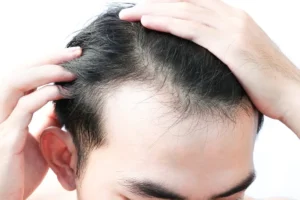
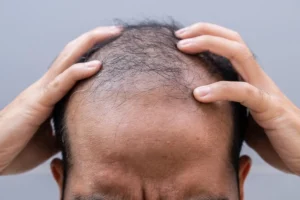
When you wonder how successful is a hair transplant, the answer depends on a blend of medical expertise, technique selection, and patient commitment. In this article we break down the key elements that determine success, explain realistic expectations, and show why many individuals achieve lasting, natural‑looking results. According to recent clinical data, modern transplant methods report graft survival rates above 90% when performed under optimal conditions.
Hair loss can affect confidence, professional interactions, and overall well‑being. Understanding the success factors helps you make an informed decision and set achievable goals. We’ll explore success metrics, the role of age and donor quality, the recovery journey, and how different techniques compare. By the end, you’ll have a clear picture of what a successful outcome looks like and how Gold City Hair supports you throughout the process.
Let’s begin by defining what “success” means in the context of hair restoration and how clinicians measure it.
Understanding Hair Transplant Success Rates
Success in hair restoration is typically measured by graft survival, density achieved, and patient satisfaction. Studies from reputable clinics show average graft survival of 92‑96% for Follicular Unit Extraction (FUE) and 94‑98% for Direct Hair Implantation (DHI). These figures reflect the percentage of transplanted follicles that continue to grow after the initial healing phase.
Below is a comparison of reported success rates for the most common techniques:
| Technique | Graft Survival Rate | Typical Density (grafts/cm²) | Average Patient Satisfaction |
|---|---|---|---|
| FUE | 92‑96% | 35‑45 | High |
| DHI | 94‑98% | 40‑50 | Very High |
| Strip (FUT) | 90‑94% | 30‑40 | High |
These numbers illustrate that modern methods consistently deliver high survival rates, but individual outcomes vary. Success also hinges on proper post‑operative care, realistic expectations, and the skill of the surgical team.
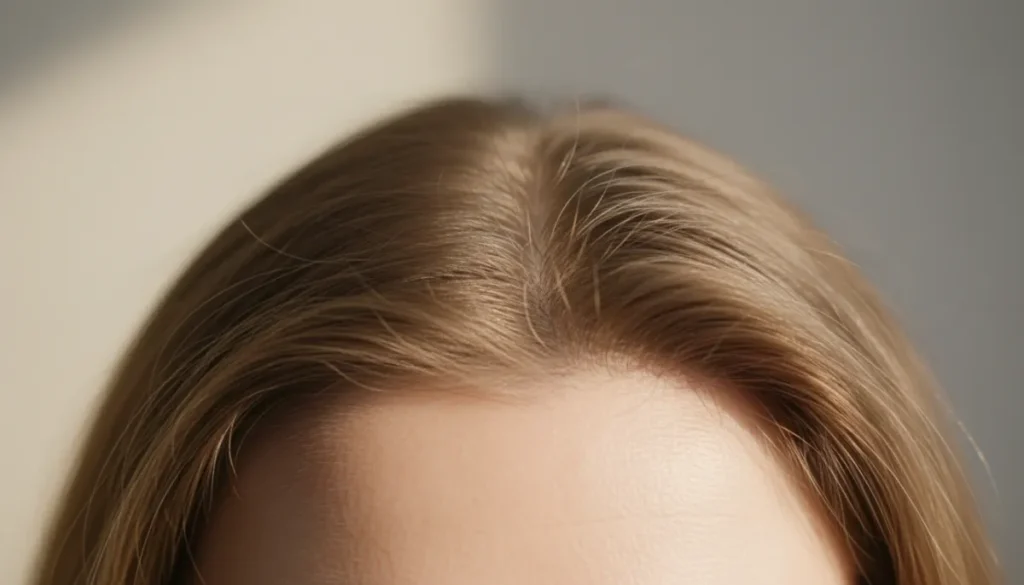
Factors That Influence the Outcome
While technique matters, several personal and procedural factors determine how successful a hair transplant will be for you.
Age and Hormonal Influence
Patients under 35 typically experience better graft retention because the donor area is more robust. Hormonal activity that drives ongoing hair loss can affect long‑term results; therefore, many surgeons recommend adjunct medical therapy such as finasteride or minoxidil.
Donor Area Quality
The density and health of the donor region on the back or sides of the scalp are critical. A high‑quality donor supply provides strong follicles that adapt well to the new site, boosting overall success.
Technique Selection
Choosing between FUE, DHI, or traditional strip extraction depends on scalp laxity, desired scar visibility, and the number of grafts needed. Each method has distinct advantages that can impact graft survival and aesthetic outcome.
Surgeon Experience
Experienced surgeons achieve higher precision in graft extraction and placement, directly influencing the final density and natural look.
Post‑Operative Care
Adhering to post‑surgery instructions—such as avoiding direct sun, gentle washing, and using prescribed medications—reduces inflammation and promotes graft uptake.
Key factors summarized:
- Age and hormonal profile
- Donor area density and health
- Chosen transplantation technique
- Surgeon’s expertise and precision
- Compliance with post‑operative care plan
What to Expect During Recovery
The recovery phase is a crucial period that determines whether a hair transplant will be deemed successful. Understanding the timeline helps you manage expectations and follow the care plan accurately.
Immediate Post‑Operative Days (0‑3)
Patients may experience mild swelling, redness, and crust formation around graft sites. Pain is usually manageable with prescribed analgesics.
Scabbing and Shedding Phase (Week 1‑3)
Scabs naturally fall off within the first week. Around the second week, transplanted hairs often enter a “shock loss” phase, shedding temporarily before new growth begins.
New Hair Growth (Month 3‑6)
Visible new hairs typically emerge between three and six months. Initial strands may be fine and light, thickening over time.
Full Maturation (Month 12‑18)
Most patients achieve final density and natural appearance by 12‑18 months post‑procedure.
Recovery timeline overview:
| Time Frame | Typical Signs | Care Recommendations |
|---|---|---|
| Days 0‑3 | Swelling, mild redness | Cold compress, prescribed pain relief |
| Weeks 1‑3 | Scab formation, shedding | Gentle washing, avoid picking |
| Months 3‑6 | New fine hairs appear | Continue minoxidil, protect from sun |
| Months 12‑18 | Full density achieved | Maintain healthy scalp, periodic check‑ups |
Adhering to the recommended after‑care schedule dramatically improves the likelihood that the transplant will be successful and long‑lasting.
Comparing Popular Techniques: FUE vs DHI vs Traditional Strip
Choosing the right method is central to answering the question of success. Below is a side‑by‑side comparison of the three most widely used procedures.
| Aspect | FUE (Follicular Unit Extraction) | DHI (Doğrudan Saç İmplantasyonu) | Strip (FUT) |
|---|---|---|---|
| Incision Size | 0.8‑1.0 mm micro‑punch | 0.6‑0.8 mm micro‑punch with implanter | Linear strip 1‑1.5 cm |
| Scarring | Minimal, dot‑like | Minimal, dot‑like | Linear scar |
| Graft Survival | 92‑96% | 94‑98% | 90‑94% |
| Session Length | 6‑10 hours (depends on graft count) | 5‑9 hours (often faster placement) | 4‑7 hours |
| Ideal Candidates | Patients seeking no linear scar, moderate graft numbers | Patients wanting highest density and rapid implantation | Patients with extensive baldness needing large graft volume |
Both FUE and DHI offer high graft survival and virtually invisible scarring, making them popular choices for individuals prioritizing aesthetics. The strip method can provide a larger number of grafts in a single session but leaves a linear scar, which may be a concern for those who prefer short hairstyles.
Overall, when performed by an experienced team, each technique can achieve excellent results, but the “most successful” option aligns with your specific hair loss pattern, aesthetic goals, and lifestyle preferences.
Long‑Term Maintenance and Follow‑Up Care
Even after a successful grafting session, maintaining results requires ongoing attention. Long‑term success is measured not only by the initial growth but also by the stability of existing native hair.
Medical Adjuncts
Finasteride (1 mg daily) and topical minoxidil (5 % solution) are commonly prescribed to slow further hair loss and support transplanted follicles. Consistent use can improve overall density and prolong the lifespan of the transplant.
Lifestyle Considerations
- Avoid smoking, which impairs blood flow to the scalp.
- Maintain a balanced diet rich in protein, iron, and biotin.
- Protect the scalp from excessive UV exposure with hats or sunscreen.
- Manage stress through regular exercise or mindfulness practices.
Regular Check‑Ups
Scheduled follow‑up visits every 6‑12 months allow the surgeon to assess graft health, address any thinning, and adjust medical therapy if needed.
By integrating these maintenance strategies, patients often experience sustained, natural‑looking results for many years, reinforcing the overall success of the hair transplant.
Why Choose Gold City Hair
At Gold City Hair we combine cutting‑edge FUE ve DHI technologies with a personalized, transparent approach. Since 2017, our Turkish clinic has performed thousands of successful transplants, delivering natural density and high patient satisfaction. Our team of board‑certified surgeons tailors each plan to your unique hair loss pattern, ensuring optimal graft survival and aesthetic harmony. With a commitment to clear communication and after‑care support, we empower you to regain confidence through lasting hair restoration.
Ready to start your transformation? Contact Gold City Hair today to schedule a free, no‑obligation consultation and discover a personalized path to lasting hair confidence.
SSS
What is the typical graft survival rate for hair transplant procedures?
Modern FUE procedures show 92‑96% survival, DHI 94‑98%, and strip FUT 90‑94% when performed under optimal conditions.
How long does it take to see new hair growth after a transplant?
New hairs usually become visible between three and six months post‑procedure, with full maturation by 12‑18 months.
Which hair transplant technique offers the highest success rate?
DHI (Direct Hair Implantation) reports the highest graft survival rates, often 94‑98%, making it the most successful technique in clinical data.
What factors influence the success of a hair transplant?
Key factors include patient age, donor area quality, chosen technique, surgeon experience, and strict post‑operative care.
What post‑operative care is essential for a successful outcome?
Follow a strict after‑care regimen: avoid sun, wash gently, use prescribed meds, and attend scheduled follow‑ups.
How does Gold City Hair ensure high patient satisfaction?
Gold City Hair combines advanced FUE and DHI technologies with experienced surgeons, personalized plans, and comprehensive after‑care support.