Understanding the link between a diet losing hair and overall hair health is the first step toward a fuller, stronger mane. While genetics play a major role, what you eat can either exacerbate hair thinning or provide the building blocks for robust growth. This article explores the nutrients that matter, common dietary pitfalls, and practical meal‑planning tips that support hair resilience.
Recent studies suggest that up to 30% of hair loss cases have a nutritional component, meaning that adjusting your eating habits can make a noticeable difference. Whether you’re dealing with early‑stage thinning or looking to prevent future loss, the information below will help you make informed choices.
We’ll cover essential vitamins and minerals, identify foods that may trigger shedding, outline a balanced diet plan, and discuss lifestyle factors that work alongside nutrition. By the end, you’ll have a clear roadmap to nourish your scalp from the inside out.
Nutrients Essential for Hair Strength
Hair is primarily made of keratin, a protein that requires a steady supply of specific nutrients to grow and stay resilient. Deficiencies in these key elements often manifest as brittle strands, increased shedding, or slowed growth cycles.
- Protein: Provides the amino acids necessary for keratin synthesis. Aim for 1.2–1.5 g of protein per kilogram of body weight daily.
- Iron: Supports oxygen delivery to hair follicles; low iron is a leading cause of vitamin deficiency hair loss.
- Zinc: Regulates hormone balance and cell division within the follicle.
- Biotin (Vitamin B7): Enhances keratin infrastructure and improves scalp health.
- Omega‑3 fatty acids: Reduce inflammation and improve blood flow to the scalp.
- Vitamin D: Plays a role in follicle cycling; deficiency can trigger shedding.
Below is a quick reference table that matches each nutrient with top food sources and recommended daily amounts.
| Nutrient | Key Food Sources | Recommended Daily Intake |
|---|---|---|
| Protein | Chicken breast, lentils, Greek yogurt, eggs | 50‑70 g for adults |
| Iron | Spinach, lean beef, pumpkin seeds, lentils | 8‑18 mg (depends on gender) |
| Zinc | Oysters, chickpeas, nuts, dairy | 8‑11 mg |
| Biotin | Egg yolk, almonds, sweet potatoes | 30 µg |
| Omega‑3 | Salmon, flaxseeds, walnuts | 250‑500 mg EPA/DHA |
| Vitamin D | Fortified milk, fatty fish, sunlight exposure | 600‑800 IU |
Incorporating a variety of these foods into a diet for good hair growth not only supports the hair shaft but also strengthens the follicle’s ability to recover from stressors that can lead to a diet losing hair scenario.
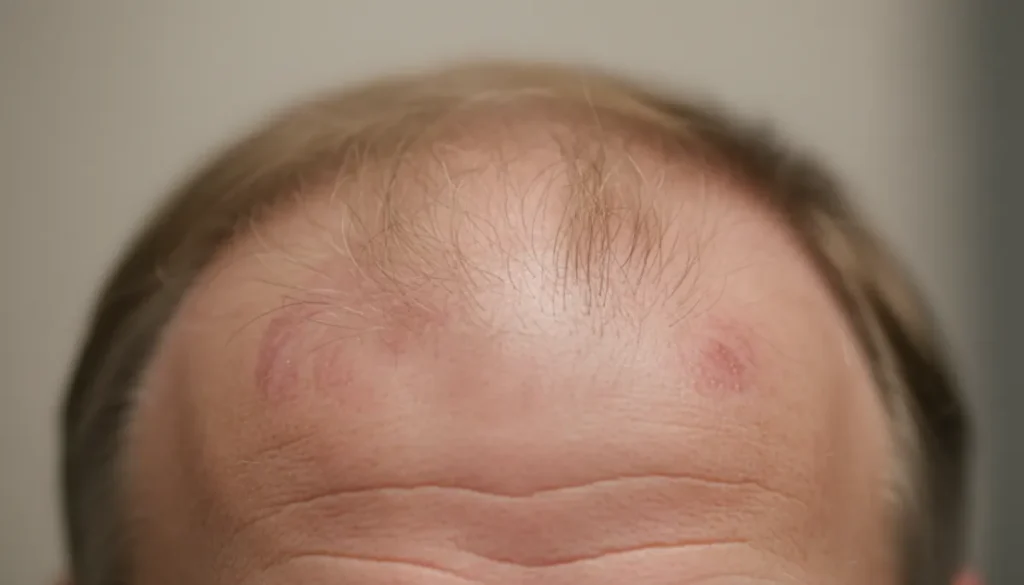
Common Dietary Mistakes That Trigger Hair Shedding
Even well‑intentioned diets can unintentionally cause a diet losing hair if they lack balance or exclude essential nutrients. Below are the most frequent pitfalls:
- Extreme low‑calorie diets: Restricting calories below 1,200 kcal can deprive follicles of energy, leading to telogen effluvium.
- High‑protein, low‑carb regimens (e.g., keto): While protein is vital, excessive fat without adequate micronutrients may cause vitamin deficiency hair loss.
- Skipping meals: Irregular eating disrupts blood sugar stability, affecting hormone levels that regulate hair growth.
- Excessive processed foods: High in sugars and unhealthy fats, they increase inflammation and oxidative stress, both linked to hair thinning.
- Insufficient iron intake: Particularly common among women following restrictive diets, leading to noticeable shedding.
For those wondering “how to diet without losing hair,” the answer lies in moderation and nutrient density. A balance diet for hair growth should provide enough calories, a mix of macronutrients, and a broad spectrum of vitamins and minerals.
Here is a quick checklist to avoid these mistakes:
| Risky Habit | Potential Impact on Hair | Better Alternative |
|---|---|---|
| Very low calories | Hair follicles enter resting phase | Consume 1,500‑1,800 kcal with balanced macros |
| Excessive keto | Micronutrient gaps, inflammation | Include leafy greens, nuts, and fortified foods |
| Skipping breakfast | Hormonal fluctuations | Start day with protein‑rich smoothie |
| High processed sugar | Oxidative stress, hair thinning | Choose whole fruits, low‑glycemic carbs |
| Low iron intake | Hair loss, especially in women | Add iron‑rich legumes and pair with vitamin C |
Addressing these errors can dramatically reduce the risk of a diet losing hair and set the stage for natural regrowth.
Designing a Balanced Diet for Hair Growth
Creating a diet for good hair growth does not require exotic superfoods; it simply calls for strategic inclusion of nutrient‑dense ingredients across meals. Below is a sample one‑day meal plan that delivers the essential proteins, vitamins, and minerals discussed earlier.
- Breakfast: Greek yogurt parfait with mixed berries, a tablespoon of chia seeds, and a drizzle of honey.
- Mid‑morning snack: Handful of almonds and a small orange (vitamin C enhances iron absorption).
- Lunch: Grilled salmon salad with spinach, quinoa, avocado, and a lemon‑olive‑oil dressing.
- Afternoon snack: Hard‑boiled egg and carrot sticks.
- Dinner: Lean turkey stir‑fry with broccoli, bell peppers, and brown rice.
This plan provides roughly 70 g of protein, 2 mg of iron, 15 µg of biotin, and 300 mg of omega‑3s, meeting the daily targets for most adults. Adjust portion sizes based on individual calorie needs and activity level.
For those seeking a more flexible approach, consider these practical tips:
- Combine a protein source with a vitamin C‑rich fruit or vegetable at every meal.
- Rotate leafy greens (kale, Swiss chard, collard) to diversify mineral intake.
- Include a weekly serving of fatty fish or a plant‑based omega‑3 supplement.
- Limit alcohol and caffeine to moderate levels, as they can impair nutrient absorption.
By following a balance diet for hair growth, you reduce the likelihood of a diet losing hair and create an internal environment that supports the hair cycle’s anagen (growth) phase.
Lifestyle Factors Beyond Food That Influence Hair Health
Nutrition is a cornerstone, but other lifestyle elements can either amplify or undermine your efforts to stop a diet losing hair pattern. Consider the following:
- Stress management: Chronic stress elevates cortisol, which can push follicles into the shedding phase. Practices like meditation, yoga, or regular walking help maintain hormonal balance.
- Sleep quality: Aim for 7‑9 hours of uninterrupted sleep; growth hormone peaks during deep sleep, supporting follicle regeneration.
- Scalp care: Gentle cleansing, occasional scalp massage, and avoiding harsh chemicals keep the follicular environment healthy.
- Exercise: Improves circulation, delivering oxygen and nutrients to the scalp more efficiently.
- Avoid smoking: Tobacco constricts blood vessels, reducing nutrient flow to hair roots.
Integrating these habits with a nutrient‑rich diet creates a holistic strategy to how to prevent hair loss naturally. If you notice persistent thinning despite these measures, it may be time to explore professional options.
When to Seek Professional Hair Restoration Treatment
While dietary adjustments can halt or reverse early hair loss, some individuals require more advanced interventions. Consider consulting a specialist if:
- Hair shedding exceeds 100 strands per day for several weeks.
- There is a noticeable recession of the hairline or thinning crown despite optimal nutrition.
- Underlying medical conditions (e.g., thyroid disorders, alopecia areata) are suspected.
- You have tried multiple hair loss treatments with limited success.
Modern clinics, such as Gold City Hair, offer state‑of‑the‑art techniques like Follicular Unit Extraction (FUE) and Direct Hair Implantation (DHI) that provide natural‑looking, long‑lasting results. Combining these procedures with a supportive diet losing hair plan maximizes graft survival and overall scalp health.
Remember, a comprehensive approach—balanced nutrition, healthy lifestyle, and, when needed, professional restoration—offers the best chance for lasting confidence and a fuller head of hair.
Why Choose Gold City Hair
Gold City Hair has been delivering personalized hair restoration solutions in Turkey since 2017. Our clinic specializes in advanced FUE and DHI techniques, ensuring minimal downtime and natural outcomes. We prioritize transparent communication, detailed pre‑procedure assessments, and post‑treatment support, helping each patient achieve lasting confidence through healthy, restored hair.
Ready to transform your hair health? Contact Gold City Hair today to schedule a free consultation and discover a customized plan that blends nutrition, lifestyle, and cutting‑edge restoration. Take the first step toward a fuller, more vibrant you.
SSS
How can I diet without losing hair?
Avoid extreme low‑calorie diets and ensure each meal contains protein, vitamins, and minerals that support hair follicles.
What nutrients are essential for hair strength?
Protein, iron, zinc, biotin, omega‑3 fatty acids, and vitamin D are the core nutrients that support keratin production and follicle health.
Which foods can trigger hair shedding?
Highly processed foods, very low‑calorie diets, excessive keto‑style meals, and iron‑poor diets can increase hair shedding.
How should I design a balanced diet for hair growth?
Combine protein, iron‑rich foods, biotin sources, and omega‑3s in each meal, and add vitamin C to improve mineral absorption.
When should I seek professional hair restoration treatment?
If you notice persistent shedding of more than 100 strands per day, a receding hairline, or lack of improvement despite optimal nutrition, consult a specialist.





