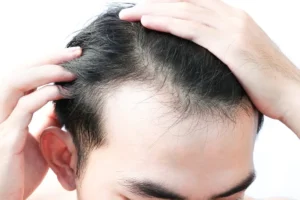
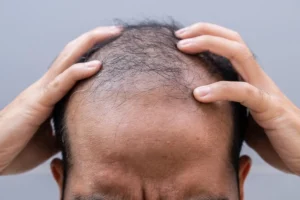
In the quest for a lasting solution to hair loss, stem cell hair treatment has emerged as a promising option that blends cutting‑edge science with personalized care. This article explains how the therapy works, its potential advantages over traditional methods, cost factors, and what you should look for when selecting a clinic. With more than 3,600 monthly searches for this term, it’s clear that many people are eager to learn whether stem cell therapy can help them regain confidence and a fuller head of hair.
Hair loss affects millions worldwide, and conventional treatments such as medication or saç ekimi often provide only partial results. Stem cell therapy aims to stimulate the body’s own regenerative capacity, targeting the root cause of thinning and baldness. Recent studies suggest that stem cells can activate dormant hair follicles and improve scalp health, offering a potential breakthrough for those who have exhausted other options.
In the sections that follow, we will explore the science behind stem cell hair treatment, weigh its benefits and limitations, discuss pricing, and guide you toward choosing a reputable clinic. Whether you are considering a single session or a comprehensive plan, understanding the fundamentals will help you make an informed decision.
How Stem Cell Therapy Works for Hair Loss
Stem cell therapy for hair loss leverages the body’s natural ability to repair and regenerate tissue. By isolating and injecting stem cells directly into the scalp, clinicians aim to rejuvenate weakened hair follicles and promote new growth. The process typically involves three main steps: harvesting, processing, and implantation.
The Science Behind Stem Cells
Stem cells are undifferentiated cells capable of developing into specialized cell types. In the context of hair restoration, mesenchymal stem cells (MSCs) derived from adipose tissue or bone marrow are most commonly used. These cells release growth factors and cytokines that stimulate angiogenesis (new blood vessel formation) and activate signaling pathways essential for hair follicle cycling.
Procedure Overview
- Harvesting: A small amount of fat or bone marrow is collected under local anesthesia.
- Processing: The sample is centrifuged to concentrate the stem cells, creating a purified solution.
- Implantation: Using micro‑needles, the stem cell solution is injected into targeted scalp zones where hair thinning is evident.
Each session typically lasts 60–90 minutes, and most patients require multiple treatments spaced several weeks apart to achieve optimal results.
| Feature | Stem Cell Hair Treatment | Traditional FUE Transplant |
|---|---|---|
| Source of Cells | Patient’s own stem cells (autologous) | Donor hair follicles |
| Invasiveness | Minimally invasive (small harvest) | Moderately invasive (punch extraction) |
| Recovery Time | 1–2 days of mild discomfort | 7–10 days of swelling and scabbing |
| Scarring | None visible | Small dot scars |
| Potential for New Follicle Growth | Stimulates dormant follicles | Relocates existing follicles |

Benefits and Limitations of Stem Cell Hair Treatment
While the excitement around stem cell hair restoration is understandable, it is essential to weigh both its strengths and its constraints before committing to a course of treatment.
Key Benefits
- Natural Regeneration: Utilizes the body’s own cells, reducing the risk of rejection.
- Minimal Scarring: No linear incisions, leading to a virtually scar‑free outcome.
- Improved Scalp Health: Growth factors enhance blood flow and reduce inflammation.
- Potential for Broad Application: Can be combined with other techniques such as PRP or low‑level laser therapy.
Limitations to Consider
- Variable Results: Outcomes depend on individual biology, stage of hair loss, and the number of sessions.
- Limited Long‑Term Data: While early studies are promising, extensive longitudinal research is still emerging.
- Cost: Generally higher than standard medication but may be comparable to multiple FUE procedures.
- Regulatory Landscape: Not all countries have standardized protocols, leading to variability in quality.
| Aspect | Advantage | Potential Drawback |
|---|---|---|
| Safety | Autologous cells minimize immune response | Harvesting procedure still invasive |
| Efficacy | Can reactivate dormant follicles | Results may vary widely |
| Recovery | Quick return to daily activities | Possible mild swelling or bruising |
| Longevity | Potential for lasting improvement | Long‑term permanence not fully proven |
Cost Considerations and What to Expect
Understanding the financial aspect of stem cell hair treatment helps you plan realistically and compare options. Prices can fluctuate based on the clinic’s location, the number of sessions required, and the specific stem cell source used.
Typical Cost Breakdown
- Consultation Fee: $100–$200 (often credited toward treatment).
- Harvesting Procedure: $300–$600 per session.
- Processing and Concentration: $400–$800.
- Injection Session: $500–$1,200.
- Follow‑Up Visits: $100 each.
Most patients undergo 2–4 sessions to achieve noticeable density, bringing the total investment to roughly $2,500–$6,000. While this may seem substantial, many consider it a worthwhile investment compared to the ongoing cost of medications or repeated hair transplant surgeries.
What Influences Price?
- Geographic location of the clinic (Turkey offers competitive pricing).
- Experience and reputation of the medical team.
- Technology used for cell isolation (automated systems vs. manual centrifugation).
- Inclusion of complementary services such as PRP or laser therapy.
| Service Component | Average Cost (USD) | Notes |
|---|---|---|
| Initial Consultation | 150 | Often waived with full package |
| Stem Cell Harvest | 500 | Includes anesthesia |
| Processing & Concentration | 700 | Lab fees |
| Injection Session | 900 | Per session |
| Follow‑Up (per visit) | 120 | Monitoring progress |
Choosing the Right Clinic for Stem Cell Hair Restoration
Selecting a qualified clinic is perhaps the most critical decision in your hair restoration journey. Not all providers adhere to the same standards, and the quality of care can dramatically affect outcomes.
Key Criteria for Evaluation
- Medical Credentials: Verify that physicians are board‑certified dermatologists or plastic surgeons with specific training in stem cell procedures.
- Facility Accreditation: Look for clinics accredited by recognized health authorities or international bodies.
- Technology Used: Clinics employing FDA‑cleared or CE‑marked devices for cell processing demonstrate higher safety standards.
- Patient Portfolio: Review before‑and‑after photos of real patients, focusing on cases similar to yours.
- Transparency: Detailed treatment plans, clear cost breakdowns, and realistic expectations are hallmarks of trustworthy providers.
Comparison of Leading Features
| Feature | Gold City Saç | Typical Competitor |
|---|---|---|
| Experience Since | 2017 | Varies |
| Core Techniques | FUE, DHI, Stem Cell Therapy | Often limited to FUE |
| Patient Support | Personalized after‑care & multilingual staff | Standard follow‑up |
| Pricing Model | Transparent, package‑based | Often opaque |
| Location | Istanbul, Turkey – a hub for advanced cosmetic procedures | Various global locations |
Future Trends and Research in Stem Cell Hair Restoration
Research into stem cell applications for hair loss is rapidly evolving. Scientists are exploring not only adult stem cells but also induced pluripotent stem cells (iPSCs) and extracellular vesicles (exosomes) as potential agents for hair regeneration.
Emerging Technologies
- iPSC‑Derived Hair Follicles: Lab‑grown follicles that could be implanted directly, bypassing the need for donor tissue.
- Exosome Therapy: Cell‑free vesicles that deliver growth factors without the complexities of cell handling.
- Combined Modalities: Integrating stem cell injections with low‑level laser therapy (LLLT) to enhance cellular activity.
Clinical trials are currently assessing the safety and efficacy of these innovations. While widespread commercial availability may still be a few years away, early results indicate higher follicle density and longer-lasting effects compared with traditional stem cell injections.
What This Means for Patients
As the science matures, patients can expect more refined protocols, reduced treatment sessions, and potentially lower costs. Staying informed about the latest developments enables you to discuss cutting‑edge options with your chosen clinic and make decisions that align with your long‑term hair health goals.
Why Choose Gold City Hair for Stem Cell Hair Treatment
Gold City Hair combines years of expertise in hair restoration with a commitment to personalized, transparent care. Since 2017, our clinic has integrated stem cell hair treatment alongside proven techniques such as FUE and DHI, offering patients a comprehensive menu of solutions. Our team of board‑certified specialists follows strict protocols to ensure safety and efficacy, while our modern Istanbul facility provides a comfortable environment for every step of the journey.
Choosing Gold City Hair means gaining access to state‑of‑the‑art technology, clear pricing, and a supportive after‑care program designed to maximize results and maintain confidence.
Ready to explore how stem cell hair treatment can transform your look? Contact Gold City Hair today to schedule a personalized consultation and take the first step toward lasting hair restoration.
SSS
How does stem cell hair treatment work?
Stem cell hair treatment harvests a patient’s own stem cells, processes them, and injects them into the scalp to stimulate dormant follicles and promote new growth.
What are the benefits of stem cell hair therapy compared to traditional hair transplants?
Stem cell therapy offers natural regeneration, minimal scarring, quicker recovery, and the potential to improve overall scalp health.
What are the limitations or risks of stem cell hair treatment?
Results can vary, long‑term data are limited, costs are higher than medication, and regulatory standards differ by country.
How much does stem cell hair treatment typically cost?
The total cost usually ranges from $2,500 to $6,000 for a series of 2–4 sessions, including consultation, harvesting, processing, and injections.
How many sessions are needed for noticeable results?
Most patients see visible improvement after 2–4 treatment sessions spaced several weeks apart.
What should I look for when choosing a clinic for stem cell hair restoration?
Check medical credentials, facility accreditation, technology used, patient portfolio, and transparency of costs and treatment plans.