Vitamin B deficiency ve hair loss are often connected in ways many people overlook. When the body lacks essential B‑vitamins, the hair growth cycle can be disrupted, leading to thinning, shedding, and slow regrowth. This article explains the science behind the link, how to spot early warnings, and what nutritional or medical steps can restore a healthy scalp.
Recent studies suggest that up to 30% of individuals experiencing unexplained hair thinning may have an underlying micronutrient shortfall, with B‑vitamins ranking among the top culprits. Understanding these nutrients empowers you to make informed choices before resorting to invasive procedures.
We’ll cover the role of each B‑vitamin in follicle health, the visual cues of deficiency, the best food sources and supplements, and when a professional hair restoration plan becomes necessary. Whether you’re noticing occasional shedding or significant thinning, the information here will guide you toward a comprehensive solution.
How Vitamin B Impacts Hair Growth
The B‑vitamin family includes eight water‑soluble compounds, each playing a distinct part in cellular metabolism, DNA synthesis, and blood circulation—all critical for robust hair follicles. Deficiency in any of these can impair the anagen (growth) phase, making strands fragile and prone to breakage.
Key Functions of Individual B‑Vitamins
- Vitamin B1 (Thiamine): Supports energy production in scalp cells, promoting vigorous hair growth.
- Vitamin B2 (Riboflavin): Enhances oxygen transport to hair follicles, reducing oxidative stress.
- Vitamin B3 (Niacin): Improves blood flow, delivering nutrients essential for follicle nourishment.
- Vitamin B5 (Pantothenic Acid): Helps synthesize keratin, the primary protein in hair.
- Vitamin B7 (Biotin): Often highlighted in “hair growth vitamins,” it directly influences keratin structure.
- Vitamin B9 (Folate): Crucial for DNA replication during the hair growth cycle.
- Vitamin B12 (Cobalamin): Aids red blood cell formation, ensuring oxygen reaches the scalp efficiently.
When one or more of these nutrients are lacking, the result can be a noticeable increase in shedding—one of the hallmark signs of vitamin B deficiency and hair loss.
| B‑Vitamin | Primary Hair‑Related Role | Deficiency Symptoms |
|---|---|---|
| Thiamine (B1) | Cellular energy production | Dry, brittle hair; slowed growth |
| Riboflavin (B2) | Oxidative protection | Scalp inflammation, dull hair |
| Niacin (B3) | Improved circulation | Patchy thinning, reduced density |
| Pantothenic Acid (B5) | Keratin synthesis | Hair breakage, split ends |
| Biotin (B7) | Keratin structure | Fine, limp hair; increased shedding |
| Folate (B9) | DNA replication | Slow regrowth, weak follicles |
| Cobalamin (B12) | Oxygen delivery | Greying, overall thinning |
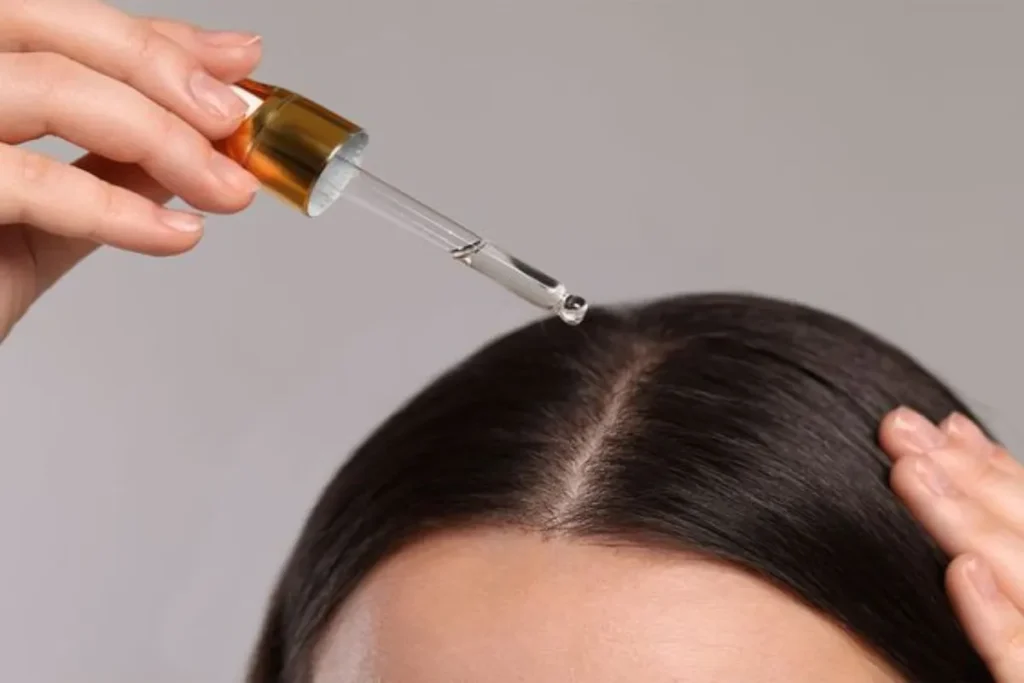
Recognizing Signs of B Vitamin Deficiency in Your Scalp
Identifying a nutritional cause early can prevent permanent follicle damage. While many factors contribute to hair loss, specific scalp cues often point directly to a lack of B‑vitamins.
Common Visual Indicators
- Gradual thinning across the crown rather than a distinct bald spot.
- Increased brittleness and split ends, especially after washing.
- Scalp dryness or flakiness without dandruff.
- Slower regrowth after a haircut or minor injury to the scalp.
- Overall loss of hair luster and shine.
These symptoms overlap with other conditions, but when paired with a diet low in whole grains, legumes, and animal proteins, the likelihood of a B‑vitamin shortfall rises. If you notice several of these signs, consider a blood test to confirm the deficiency.
Dietary Sources and Supplements to Replenish B Vitamins
Restoring optimal levels begins with a balanced diet rich in natural B‑vitamin sources. Foods high in these nutrients not only support hair health but also improve overall energy and well‑being.
Top Food Sources
- Whole grains (brown rice, oats) – excellent for B1, B3, and B5.
- Lean meats and fish – provide B2, B6, B12.
- Eggs and dairy – rich in B2 and B12.
- Legumes (lentils, chickpeas) – packed with B9 (folate).
- Leafy greens (spinach, kale) – supply B9 and B2.
- Nuts and seeds – good sources of B5 and biotin.
When diet alone falls short, high‑quality supplements become a practical solution. Look for products labeled as “best vitamins for hair growth” or “hair growth vitamins” that contain a comprehensive B‑complex alongside zinc and iron, which also influence hair density.
Choosing Effective Supplements
- Check for a full B‑complex (B1‑B12) to cover all bases.
- Prefer formulations with biotin (B7) at 5,000–10,000 µg for noticeable results.
- Ensure the product is third‑party tested for purity.
- Take with meals to enhance absorption, especially for B12.
Many users report improvement within 8–12 weeks when combining diet changes with a targeted supplement regimen. Remember that “best hair growth supplements” often combine B‑vitamins with antioxidants to protect follicles from oxidative stress.
When Nutrition Isn’t Enough: Integrating Medical Treatments
Even with optimal nutrition, some individuals experience persistent thinning due to genetic factors, hormonal imbalances, or long‑standing deficiency damage. In such cases, professional hair restoration offers a reliable path to regaining density.
Complementary Approaches
- Platelet‑Rich Plasma (PRP) – boosts circulation and delivers growth factors.
- Low‑Level Laser Therapy (LLLT) – stimulates follicular activity.
- Hair transplant techniques (FUE, DHI) – relocate healthy follicles to thinning zones.
Gold City Hair specializes in state‑of‑the‑art FUE and DHI procedures, providing a personalized plan that considers any underlying nutritional deficiencies. By correcting vitamin B deficiency and hair loss concurrently—through diet, supplements, and targeted surgery—patients achieve lasting, natural‑looking results.
Before moving forward, a thorough scalp examination and blood work are recommended to rule out ongoing deficiencies. This integrated approach ensures that transplanted follicles receive the nutrients they need to thrive.
Preventive Lifestyle Habits for Long‑Term Hair Health
Maintaining hair vitality goes beyond occasional supplementation. A holistic lifestyle supports the continued absorption of B‑vitamins and protects follicles from future stress.
Key Habits to Adopt
- Stay hydrated – water aids nutrient transport to the scalp.
- Manage stress – chronic cortisol spikes can deplete B‑vitamins.
- Avoid excessive heat styling – reduces oxidative damage.
- Protect scalp from UV exposure with hats or sunscreen.
- Incorporate regular scalp massages to stimulate blood flow.
Pairing these habits with a balanced diet for hair growth creates a resilient foundation, minimizing the risk of future vitamin deficiency hair loss. Consistency is essential; benefits accumulate over months, not days.
Why Choose Gold City Hair
Gold City Hair has been delivering personalized hair restoration solutions in Turkey since 2017. Our team combines advanced FUE and DHI techniques with comprehensive nutritional assessments, ensuring that any underlying vitamin B deficiency and hair loss are addressed before surgery. We prioritize transparent communication, detailed treatment planning, and post‑procedure support, helping you regain confidence with lasting, natural results.
Ready to restore your hair’s full potential? Contact Gold City Hair today for a personalized consultation that evaluates your nutritional status and explores the best treatment options for you.
Take the first step toward thicker, healthier hair—schedule your appointment now.
SSS
How does vitamin B deficiency cause hair loss?
A lack of B‑vitamins disrupts cellular metabolism, DNA synthesis, and blood flow to follicles, shortening the growth phase and increasing shedding.
Which B‑vitamins are most important for hair health?
All B‑vitamins play a role, but B1, B2, B3, B5, B7 (biotin), B9, and B12 are especially critical for follicle function.
What foods are richest in B‑vitamins for hair growth?
Whole grains, lean meats, eggs, dairy, legumes, leafy greens, nuts, and seeds provide the most bioavailable B‑vitamins.
Can supplements replace dietary sources of B‑vitamins?
Supplements can help when diet falls short, but a balanced diet remains the best foundation for absorption and overall health.
When should I consider medical hair restoration despite proper nutrition?
If hair thinning persists after 3–6 months of optimal nutrition and supplementation, medical options like PRP, LLLT, or hair transplant may be needed.





