When it comes to hair transplant hair loss solutions, many people seek a reliable path to regaining confidence. This article walks you through the fundamentals of hair restoration, the most effective techniques, and what to expect before, during, and after the procedure. Did you know that over 30% of men and a growing number of women experience noticeable thinning by age 35? Understanding the underlying causes and the available treatments can empower you to make informed decisions.
We will explore the science behind hair loss, compare the leading transplant methods, and discuss post‑procedure care that maximizes results. Whether you are considering a full scalp restoration or targeting specific bald spots, the information here will help you assess if a hair transplant is the right choice for you.
By the end of this guide, you’ll have a clear picture of how modern clinics, especially those in Turkey, combine expertise with state‑of‑the‑art technology to deliver natural‑looking outcomes.
Understanding Hair Loss and the Role of Transplantation
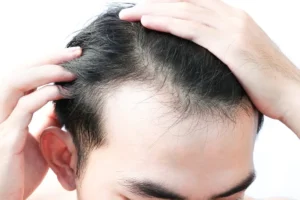
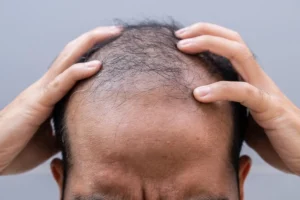
Hair loss can stem from genetics, hormonal changes, medical conditions, or lifestyle factors. The most common form, androgenetic alopecia, affects both men and women and is often referred to as male‑or female‑pattern baldness. While hair loss treatment options range from topical solutions to oral medications, a transplant offers a permanent solution by relocating healthy follicles to thinning areas.
Key points to consider:
- Genetic predisposition: The primary driver of baldness, often starting with a receding hairline or crown thinning.
- Hormonal influences: Conditions such as thyroid imbalance or elevated DHT levels can accelerate shedding.
- Medical factors: Autoimmune diseases, scalp infections, and certain medications may contribute to hair fall.
- Lifestyle impacts: Stress, poor nutrition, and smoking can worsen thinning.
When evaluating a hair transplant, it’s essential to determine the donor area’s density. The back and sides of the scalp typically retain robust follicles, making them ideal for extraction. These donor hairs are genetically resistant to the same hormonal factors that cause loss elsewhere, ensuring lasting growth after transplantation.
Beyond the scalp, hair restoration can also address eyebrows, beard, and even body hair. This versatility expands the benefits of a transplant beyond mere aesthetics, supporting self‑esteem in everyday interactions.

Popular Hair Transplant Techniques: FUE, DHI, and More
Modern clinics offer several minimally invasive methods, each with distinct advantages. Understanding these techniques helps you align expectations with the most suitable approach for your specific condition.
Foliküler Ünite Ekstraksiyonu (FUE)
FUE involves harvesting individual follicular units directly from the donor zone using a micro‑punch tool. This method leaves tiny, dot‑like scars that are virtually invisible, allowing patients to wear short hairstyles without concern. Recovery is typically swift, with most individuals returning to light activities within a week.
Direct Hair Implantation (DHI)
DHI builds on FUE by using a proprietary implanter pen that places follicles at precise depths and angles in a single step. This can improve graft survival rates and produce a more natural hair direction, especially valuable for frontal hairlines.
Robotic-Assisted Transplant
Robotic systems enhance precision by automating the extraction process, reducing human error, and optimizing graft viability. While the technology is still emerging, early results show comparable outcomes to manual FUE with reduced fatigue for the surgeon.
| Technique | Key Benefits | Typical Recovery Time |
|---|---|---|
| FUE | Minimal scarring, flexible styling | 7‑10 days for normal activities |
| DHI | Higher graft survival, natural hair angle | 7‑10 days, slightly less swelling |
| Robotic‑Assisted | Precision, consistent extraction | 7‑12 days, similar to FUE |
Choosing the right method often depends on the extent of baldness, donor density, and personal preferences regarding downtime and cost. Regardless of the technique, the overarching goal remains the same: to restore a natural‑looking hairline that blends seamlessly with existing growth.
The Transplant Journey: From Consultation to Recovery
The path to a successful transplant begins with a thorough consultation. During this visit, specialists assess your hair loss pattern, evaluate donor area quality, and discuss realistic outcomes. They may request a scalp analysis, photographic documentation, and blood work to rule out underlying health concerns.
Key stages of the journey include:
- Pre‑operative assessment: Determines suitability for surgery and outlines a personalized plan.
- Design and mapping: The surgeon sketches the intended hairline, taking facial proportions into account.
- Extraction and implantation: Depending on the chosen technique, grafts are harvested and placed into pre‑made incisions.
- Post‑operative care: Instructions cover washing, medication, and activity restrictions to promote graft survival.
- Follow‑up visits: Typically scheduled at 1 week, 1 month, 3 months, and 12 months to monitor progress.
During recovery, patients may notice mild redness, swelling, or scabbing around the donor and recipient sites. These symptoms are normal and subside within two weeks. Most clinics recommend gentle shampooing after the third day and avoiding direct sunlight for at least a month.
Adjunct treatments such as finasteride for hair loss or low‑level laser therapy can enhance long‑term results by stabilizing existing hair and supporting new growth. Nutrition also plays a role; vitamins like biotin, zinc, and vitamin D are commonly suggested to promote healthy follicles.
Managing Expectations: Results, Shock Loss, and Long‑Term Care
Understanding the timeline of hair growth after a transplant helps set realistic expectations. Most grafts enter a resting phase (telogen) for 2‑3 weeks, after which they shed—known as “shock loss.” This is a normal part of the process and does not indicate failure. New hair typically begins to emerge around the third month, with noticeable density by six months and full maturity around 12‑18 months.
Shock loss can also affect surrounding native hairs, especially in cases of extensive thinning. To mitigate this, surgeons may recommend pre‑emptive hair loss treatment such as minoxidil or finasteride before the procedure.
Long‑term care focuses on preserving both transplanted and existing hair. Strategies include:
- Consistent use of FDA‑approved topical solutions.
- Regular scalp massages to improve blood flow.
- Maintaining a balanced diet rich in proteins, omega‑3 fatty acids, and essential micronutrients.
- Avoiding harsh chemicals, tight hairstyles, and excessive heat styling.
Patients often ask whether a transplant can “stop” hair loss permanently. While the transplanted follicles are resistant to DHT, the surrounding native hair may continue to thin over time. Ongoing medical therapy helps slow this progression, ensuring the overall appearance remains natural.
Frequently Overlooked Factors: Nutrition, Medications, and Lifestyle
While surgical technique is paramount, the body’s internal environment heavily influences graft success. Nutritional deficiencies, stress, and certain medications can impede hair regrowth.
Essential Nutrients
Key vitamins and minerals support follicular health:
- Biotin (Vitamin B7): Strengthens keratin structure.
- D Vitamini: Regulates hair follicle cycling.
- Zinc: Essential for DNA synthesis in hair cells.
- Iron: Prevents anemia‑related shedding.
Incorporating foods like eggs, nuts, leafy greens, and fatty fish can naturally boost these nutrients.
Medication Interactions
Some drugs, such as certain anticoagulants or high‑dose steroids, may increase bleeding risk or delay healing. Always disclose your full medication list during the pre‑operative assessment.
Lifestyle Adjustments
Chronic stress elevates cortisol, which can trigger telogen effluvium—a temporary shedding condition. Mind‑body practices like meditation, regular exercise, and adequate sleep are beneficial not only for overall health but also for maintaining a robust hair growth cycle.
By addressing these often‑ignored aspects, patients can maximize the longevity and density of their transplant results, ensuring a lasting boost in confidence.
Why Choose Gold City Hair
Gold City Hair has been delivering personalized hair restoration solutions in Turkey since 2017. Our clinic combines experienced surgeons with cutting‑edge FUE and DHI technologies, ensuring natural‑looking outcomes and minimal downtime. We prioritize transparent communication, guiding each patient through every step—from the initial consultation to post‑operative care—so you feel informed and confident throughout your journey.
Ready to transform your look and regain confidence? Contact Gold City Hair today to schedule your personalized consultation and take the first step toward lasting hair restoration.
SSS
What is the difference between FUE and DHI hair transplant techniques?
FUE extracts individual follicles with a micro‑punch, while DHI uses an implanter pen to place follicles directly at precise angles.
How long does it take to see visible results after a hair transplant?
New hair usually starts to appear around three months, with noticeable density by six months and full maturity by 12‑18 months.
Can a hair transplant stop hair loss permanently?
Transplanted follicles are resistant to DHT, but native hair may continue to thin, requiring ongoing medical therapy.
What post‑operative care is essential for graft survival?
Gentle washing after day three, avoiding direct sun for a month, and following medication and activity guidelines are key.
How do nutrition and lifestyle affect hair transplant results?
Adequate vitamins, minerals, low stress, and healthy habits support follicle health and improve graft outcomes.