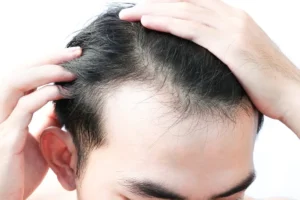
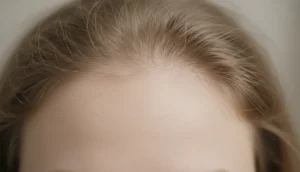
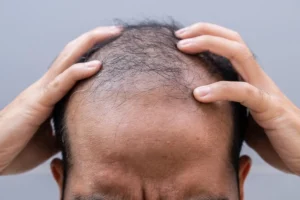
Hair thinning on one side of the scalp can be unsettling, especially when it appears suddenly or progresses quickly. This condition often signals an underlying issue that deserves attention, whether it’s a form of alopecia, a lifestyle factor, or a genetic predisposition. In this article we explore the most common causes, diagnostic steps, and treatment pathways, including advanced hair restoration techniques offered by Gold City Hair.
According to dermatology studies, asymmetrical hair loss accounts for up to 15% of all reported cases of thinning hair, making it a relatively frequent concern among both men and women. Recognizing the pattern early can help prevent further loss and improve the success of corrective procedures.
We will break down the science behind unilateral hair thinning, discuss how to differentiate between temporary and permanent causes, and provide practical guidance on when to seek professional evaluation. By the end of this guide, you’ll have a clear roadmap for addressing hair thinning on one side and restoring confidence in your appearance.
Medical Causes of Unilateral Hair Thinning
When hair loss is confined to a single side, medical conditions are often at the root. The most prevalent diagnoses include:
- Alopecia areata – an autoimmune disorder that can target a specific region, leading to sharply defined patches.
- Androgenetic alopecia – commonly known as male or female pattern baldness, which may manifest asymmetrically due to hormonal imbalances.
- Traction alopecia – caused by chronic tension from hairstyles that pull on one side of the scalp.
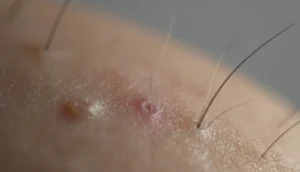
- Scalp infections or inflammatory conditions such as seborrheic dermatitis.
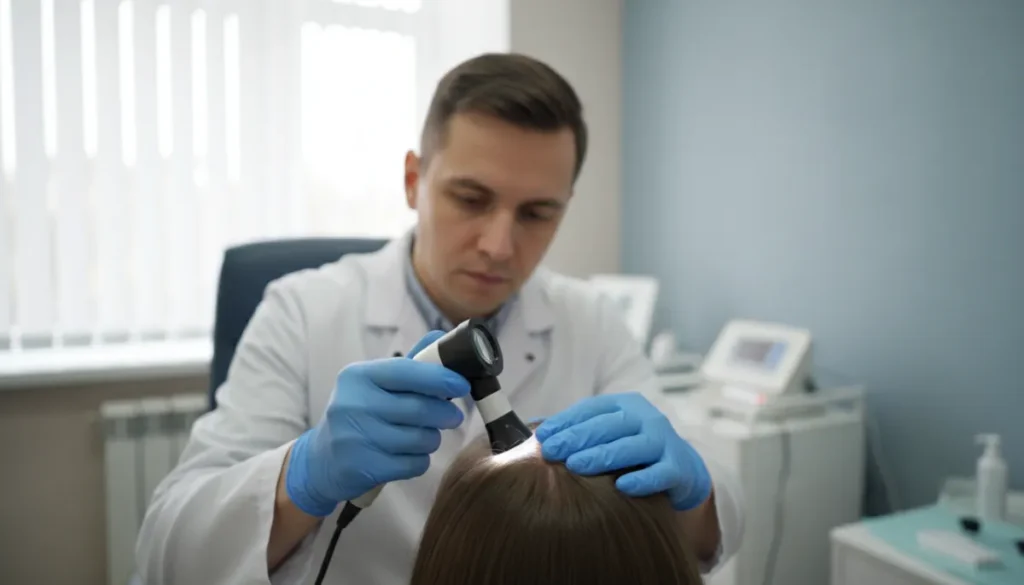
Understanding these conditions helps clinicians choose the right diagnostic tools. A typical work‑up may involve a physical examination, trichoscopy, and occasionally a scalp biopsy to confirm the presence of autoimmune activity or follicular miniaturization.
| Condition | Typical Signs | Diagnostic Test |
|---|---|---|
| Alopecia areata | Round, smooth patches | Clinical exam + trichogram |
| Androgenetic alopecia | Gradual thinning, often receding hairline | Dermatoscopy, hormone panel |
| Traction alopecia | Hairline recession where tension is applied | History & visual inspection |
| Scalp infection | Redness, scaling, itching | Culture or dermatoscopy |
Lifestyle and Environmental Factors
Beyond medical diagnoses, everyday habits can create or worsen hair thinning on one side. Common contributors include:
- Sleeping consistently on one side, which may increase friction and reduce blood flow to the area.
- Using hair accessories (clips, headbands) that apply constant pressure.
- Exposure to harsh weather or UV radiation without protection.
- Nutritional deficiencies, particularly iron, zinc, and biotin, which are essential for healthy hair growth.
Research indicates that habitual sleeping positions can exacerbate existing thinning, though they rarely cause it in isolation. Adjusting sleep habits—such as alternating sides or using a silk pillowcase—can reduce mechanical stress on the hair follicles.
For individuals whose thinning is linked to external factors, simple lifestyle modifications often yield noticeable improvement within a few months. However, if the hair loss persists despite these changes, a medical evaluation is advisable.
Diagnostic Approach: When to See a Specialist
Early detection is key to successful treatment. If you notice hair thinning on one side, consider the following steps:
- Document the progression with photos taken weekly.
- Track any accompanying symptoms such as itching, redness, or pain.
- Schedule a consultation with a board‑certified dermatologist or a hair restoration clinic.
During the appointment, the specialist will likely perform:
- Visual inspection and pattern analysis.
- Trichoscopy to assess follicle health.
- Blood tests to rule out hormonal or nutritional imbalances.
- Possibly a scalp biopsy for definitive diagnosis.
These assessments help differentiate between reversible conditions (like temporary inflammation) and permanent follicular loss, guiding the choice between medical therapy and surgical restoration.
Non‑Surgical Treatment Options
For many patients, especially those with early‑stage thinning, non‑surgical interventions can halt or even reverse hair loss. Effective options include:
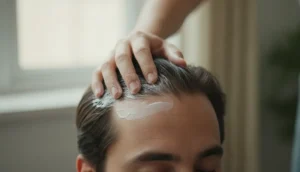
- Topical minoxidil – stimulates follicular activity and prolongs the growth phase.
- Oral finasteride (for men) – reduces dihydrotestosterone (DHT) levels that shrink follicles.
- Low‑level laser therapy (LLLT) – improves blood circulation and cellular metabolism.
- Platelet‑rich plasma (PRP) injections – delivers growth factors directly to the scalp.
These treatments are most successful when the hair follicles remain viable. In cases where the follicles have been destroyed, surgical options become the primary recourse.
It’s essential to discuss potential side effects and contraindications with a qualified professional before starting any regimen. Consistency is crucial; many therapies require several months of daily use to show measurable results.
Surgical Solutions: FUE and DHI Hair Transplant
When hair thinning on one side is due to permanent follicular loss, hair transplantation offers a durable solution. Gold City Hair specializes in two state‑of‑the‑art techniques:
- Foliküler Ünite Ekstraksiyonu (FUE) – individual follicles are harvested from a donor area and implanted into the thinning zone, leaving minimal scarring.
- Direct Hair Implantation (DHI) – similar to FUE but uses a patented implanter pen for precise placement, reducing handling time and improving graft survival.
Both methods provide natural‑looking density and can be tailored to correct asymmetry, making them ideal for unilateral thinning. The typical process involves:
- Pre‑operative assessment and design of the hairline.
- Extraction of grafts using micro‑punch tools.
- Placement of grafts at appropriate angles and depths.
- Post‑operative care to ensure optimal healing.
Patients usually see noticeable improvement within 6‑12 months as transplanted hairs enter the growth cycle. The success rate for FUE and DHI exceeds 90% when performed by experienced surgeons, and the procedures are performed under local anesthesia with a short recovery period.
Why Choose Gold City Hair
Gold City Hair has been delivering personalized hair restoration solutions in Turkey since 2017. Our clinic combines cutting‑edge FUE and DHI techniques with a transparent, patient‑focused approach. Every treatment plan is customized to address the unique pattern of hair thinning on one side, ensuring natural results and lasting confidence.
Ready to regain a balanced, full‑looking hairstyle? Contact Gold City Hair today to schedule a confidential consultation and discover the most effective solution for your unilateral hair thinning.
SSS
What are the common medical causes of hair thinning on one side?
The most common medical causes include alopecia areata, androgenetic alopecia, traction alopecia, and scalp infections or inflammatory conditions such as seborrheic dermatitis.
Can sleeping position really affect hair thinning on one side?
Yes, consistently sleeping on one side can increase friction and reduce blood flow to that area, potentially worsening existing thinning.
What diagnostic steps should I take if I notice unilateral hair thinning?
Document the change with photos, track symptoms, and consult a dermatologist for visual inspection, trichoscopy, blood tests, and possibly a scalp biopsy.
Which non‑surgical treatments are effective for early‑stage unilateral hair thinning?
Topical minoxidil, oral finasteride (for men), low‑level laser therapy, and platelet‑rich plasma (PRP) injections are commonly used non‑surgical options.
What are the differences between FUE and DHI hair transplant techniques?
Both are follicular extraction methods, but DHI uses a patented implanter pen for direct placement, reducing handling time and improving graft survival.
Why should I choose Gold City Hair for treating unilateral hair thinning?
Gold City Hair combines advanced FUE and DHI techniques with personalized treatment plans and a patient‑focused approach since 2017.