Many people wonder can alopecia be reversed and look for answers that combine scientific evidence with practical guidance. Hair loss affects confidence, relationships, and overall well‑being, making the search for effective solutions a top priority for millions worldwide. Recent studies suggest that up to 40 % of individuals with early‑stage alopecia experience measurable regrowth when they follow a comprehensive treatment plan.
This article breaks down the most common types of alopecia, examines the medical and surgical options available today, and clarifies what “reversal” truly means for different patients. Whether you are dealing with alopecia areata, androgenetic baldness, or traction‑induced thinning, understanding the underlying mechanisms is the first step toward a realistic and personalized plan.
We will also discuss lifestyle factors, nutritional support, and the role of emerging technologies such as platelet‑rich plasma (PRP) and stem‑cell‑derived therapies. By the end, you will have a clear picture of the pathways that can potentially restore hair growth and the expectations you should set for each approach.
Understanding Alopecia Types and Their Causes
Alopecia is an umbrella term that covers several distinct conditions, each with its own triggers and progression patterns. Recognizing the specific type you are facing is essential because treatment effectiveness varies dramatically across categories.
Androgenetic Alopecia (Pattern Baldness)
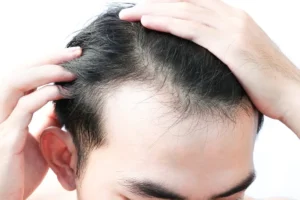
Androgenetic alopecia, commonly known as male or female pattern baldness, is driven by genetics and the hormone dihydrotestosterone (DHT). It typically begins with a receding hairline in men or diffuse thinning on the crown in women. While it is a progressive condition, early intervention with finasteride or topical minoxidil can slow loss and, in some cases, stimulate new growth.
Alopesi Areata
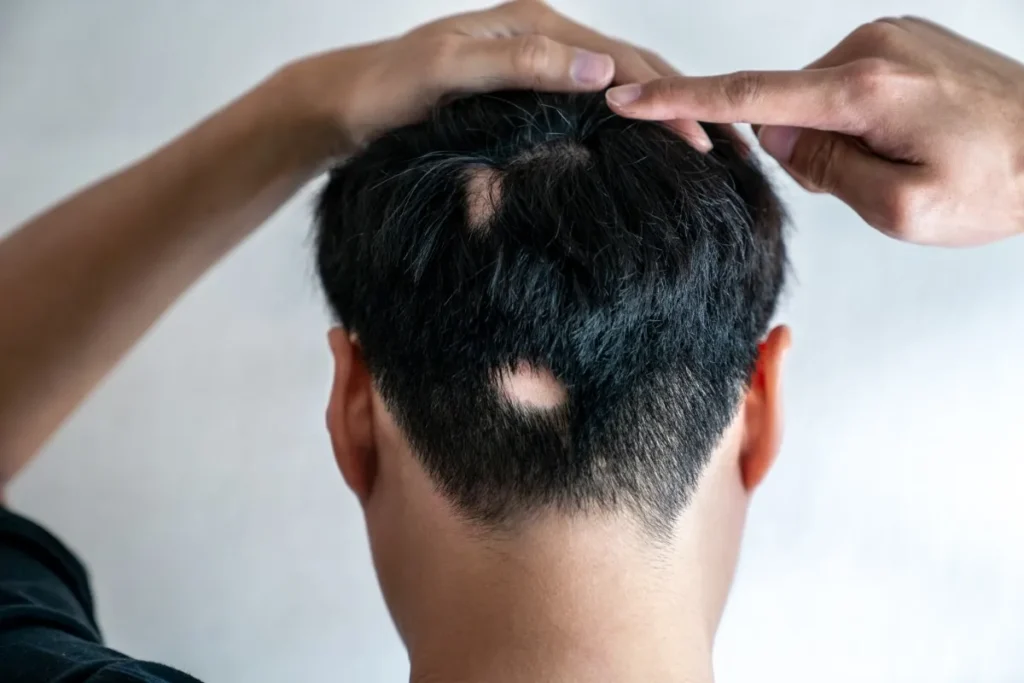
This autoimmune disorder causes sudden, patchy hair loss. The immune system mistakenly attacks hair follicles, leading to smooth bald spots. Treatments such as corticosteroid injections, topical immunotherapy, and JAK inhibitors have shown promising results in reactivating dormant follicles.
Traction and Scarring Alopecia
Physical tension from tight hairstyles (traction alopecia) or inflammatory skin diseases (scarring alopecia) can permanently damage follicles. Reversibility depends on the extent of scar tissue; early cessation of the offending practice and anti‑inflammatory therapy may allow partial regrowth.
| Type of Alopecia | Primary Cause | Typical Reversibility |
|---|---|---|
| Androgenetic | Genetics & DHT | Partial regrowth with medication |
| Alopesi Areata | Autoimmune attack | High regrowth potential with therapy |
| Traction / Scarring | Mechanical stress / Inflammation | Limited; depends on scar severity |
Medical Treatments That May Promote Hair Regrowth
When evaluating can alopecia be reversed, medical therapies are usually the first line of defense. These treatments aim to either halt the progression of hair loss or reactivate dormant follicles, offering a chance for regrowth.
Topical Solutions
- Minoxidil (2 % for women, 5 % for men) – improves blood flow to follicles.
- Finasteride (oral) – reduces DHT levels, most effective for androgenetic alopecia.
- Corticosteroid creams – used for mild alopecia areata patches.
Oral Medications
Finasteride and dutasteride are prescription pills that block the conversion of testosterone to DHT. For women, anti‑androgen drugs such as spironolactone can be beneficial, especially when combined with topical minoxidil.
Advanced Therapies
- Platelet‑Rich Plasma (PRP) – concentrates growth factors to stimulate follicle activity.
- JAK Inhibitors (e.g., tofacitinib) – emerging option for alopecia areata with promising regrowth rates.
- Low‑Level Laser Therapy (LLLT) – non‑invasive light devices that increase cellular metabolism.
While these options can lead to noticeable improvement, results vary based on the individual’s age, duration of hair loss, and underlying health. Consistency is key; many treatments require 3‑6 months before visible changes appear.
Surgical Options: Modern Hair Transplant Techniques
For many patients, the question can alopecia be reversed leads to surgical solutions when medical therapies fall short. Hair transplantation redistributes healthy follicles from a donor area to the balding zone, creating a permanent, natural‑looking result.
Foliküler Ünite Ekstraksiyonu (FUE)
FUE involves harvesting individual follicular units using a micro‑punch device. The method leaves minimal scarring and allows for precise placement, making it ideal for patients with short‑style preferences.
Direct Hair Implantation (DHI)
DHI uses a patented implanter pen that places grafts directly into the recipient site without prior incisions. This technique reduces handling time, improves graft survival, and offers higher density outcomes.
Eyebrow and Beard Transplants
Beyond scalp restoration, Gold City Hair also specializes in eyebrow and beard transplants, catering to patients who have experienced hair loss in facial areas due to alopecia or trauma.
| Technique | Key Benefit | Typical Recovery |
|---|---|---|
| FUE | Minimal scarring, flexible styling | 7‑10 days |
| DHI | Higher graft survival, dense results | 5‑8 days |
| Eyebrow/Beard | Restores facial hair symmetry | 7‑12 days |
While surgery does not “reverse” the underlying cause of alopecia, it effectively restores the visual appearance of hair, which many patients consider a functional reversal of their condition.
Lifestyle, Nutrition, and Non‑Medical Strategies
Even when asking can alopecia be reversed, many patients overlook the impact of daily habits on hair health. A holistic approach that combines proper nutrition, stress management, and gentle hair care can enhance the effectiveness of medical and surgical treatments.
Nutrition and Supplements
- Biotin, zinc, and vitamin D – essential for keratin production.
- Omega‑3 fatty acids – reduce inflammation and support scalp health.
- Saw palmetto – natural DHT blocker, useful adjunct for mild androgenetic loss.
Stress Reduction
Chronic stress elevates cortisol, which can trigger telogen effluvium, a temporary shedding phase. Practices such as mindfulness meditation, regular exercise, and adequate sleep (7‑9 hours) help maintain follicles in the growth phase.
Gentle Hair Care
Avoid harsh chemicals, tight hairstyles, and excessive heat styling. Opt for sulfate‑free shampoos, wide‑tooth combs, and occasional scalp massages to improve blood circulation.
While these measures alone rarely “reverse” extensive alopecia, they create an optimal environment for any concurrent medical or surgical therapy to work more effectively.
Managing Expectations: What Reversal Really Means
Answering can alopecia be reversed requires a realistic view of what “reversal” entails. In most cases, complete restoration to pre‑loss density is unlikely, especially for long‑standing or scarring forms. However, many patients achieve significant improvement that restores confidence and reduces the visual impact of baldness.
Factors Influencing Outcomes
- Age – younger follicles tend to respond better.
- Duration of hair loss – early intervention yields higher regrowth rates.
- Underlying health – thyroid disorders, iron deficiency, and autoimmune conditions must be managed.
Setting Measurable Goals
Work with a qualified specialist to define clear milestones: percentage of hair density increase, reduction in shedding frequency, or specific aesthetic goals (e.g., covering a frontal recession). Regular follow‑up appointments enable adjustments to the treatment plan based on progress.
Ultimately, the journey from hair loss to regrowth is a partnership between patient diligence and professional expertise. Understanding the limits of each therapy empowers you to make informed decisions and achieve the best possible results.
Why Choose Gold City Hair
Gold City Hair has been delivering personalized hair restoration solutions in Turkey since 2017. Our clinic combines the latest FUE and DHI technologies with a transparent, patient‑focused approach. Every treatment plan is tailored to your specific type of alopecia, medical history, and aesthetic goals, ensuring realistic expectations and optimal outcomes. Trust a team that prioritizes safety, quality, and lasting confidence.
Ready to explore whether your hair loss can be reversed? Contact Gold City Hair today for a free, no‑obligation consultation and take the first step toward a fuller, healthier look.
SSS
Can alopecia be reversed with medication?
Medication can halt progression and, in many cases, stimulate partial regrowth, especially when started early.
What are the most effective medical treatments for hair regrowth?
Topical minoxidil, oral finasteride, PRP therapy, and JAK inhibitors are among the most evidence‑based options.
How does PRP therapy help in reversing alopecia?
PRP delivers concentrated growth factors that reactivate dormant follicles and improve scalp vascularity.
What surgical options are available for hair restoration?
FUE, DHI, and eyebrow/beard transplants are the primary modern techniques.
Can lifestyle and nutrition influence alopecia reversal?
Yes, proper diet, stress management, and gentle hair care can enhance treatment effectiveness.
What realistic results can patients expect from hair restoration treatments?
Most patients achieve noticeable improvement, but full pre‑loss density is uncommon.