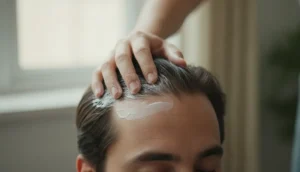
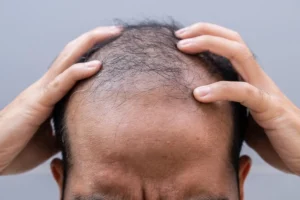
Experiencing hair regrowth following chemotherapy can feel like a hopeful milestone after months of treatment uncertainty. This article explains the biological reasons behind chemotherapy‑induced hair loss, outlines the typical timeline for hair to return, and offers practical strategies to nurture healthy new growth. Understanding these factors empowers patients to set realistic expectations and take proactive steps toward restoring their confidence.
According to oncological studies, up to 80% of patients notice some degree of hair loss during systemic cancer therapy, yet the majority see their hair begin to grow back within a year. The journey, however, varies widely based on treatment type, individual health, and post‑treatment care.
We will explore the science of hair follicle recovery, discuss common concerns such as texture changes and scalp sensitivity, and highlight evidence‑based tips that can accelerate the healing process. Whether you are preparing for treatment or already navigating the post‑chemo phase, the information below aims to provide clear guidance and reassurance.
Understanding Chemotherapy‑Induced Hair Loss
Chemotherapy targets rapidly dividing cells, a hallmark of cancer, but it also affects other fast‑growing cells like those in hair follicles. When these cells are damaged, the hair shaft weakens and eventually falls out, a condition medically known as chemotherapy‑induced alopecia. The severity depends on the specific drugs used, dosage, and treatment schedule.
Mechanism of Follicle Damage
- Cellular disruption: Cytotoxic agents interrupt the mitotic phase of hair matrix cells.
- Inflammatory response: Some regimens trigger scalp inflammation, accelerating shedding.
- Vascular effects: Reduced blood flow can limit nutrient delivery to follicles.
Common Myths
Many patients wonder, “does radiation cause hair loss?” While radiation can cause localized hair loss, it follows a different pattern than chemotherapy. Radiation typically affects the treated area only, whereas chemotherapy leads to a more generalized shedding.
Timeline of Hair Regrowth Following Chemotherapy
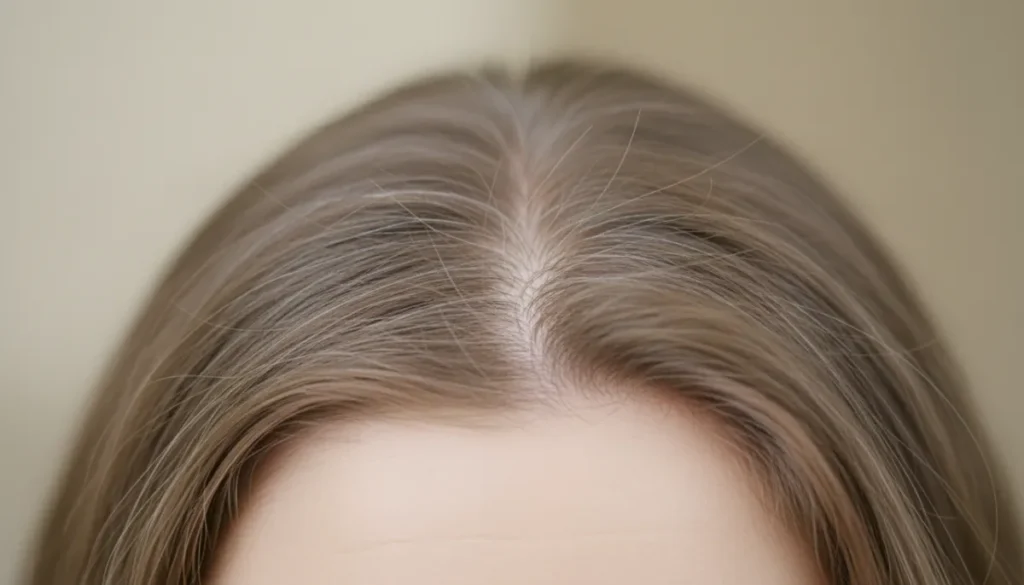
The schedule for hair regrowth following chemotherapy is not uniform, but most patients observe a recognizable pattern. Typically, hair begins to reappear 3–6 weeks after the final treatment session, though full density may take 12–18 months.
Early Phase (Weeks 1–8)
- Fine, downy hair (vellus) often emerges first, resembling peach fuzz.
- Scalp may feel itchy or sensitive as new follicles activate.
- Patients may notice color changes; hair can appear lighter or darker.
Mid Phase (Months 2–6)
During this period, the hair shaft thickens, and the growth rate accelerates to about 0.5 cm per month. Some individuals experience “chemo curls,” where the new hair has a different texture than before.
Late Phase (Months 7–18)
Full regrowth, including normal density and texture, generally occurs by the end of the first year. However, occasional patchiness or slower growth can persist, especially if the patient received high‑dose regimens.
| Time After Treatment | Typical Hair Appearance | Key Considerations |
|---|---|---|
| 0–3 weeks | Complete baldness or very fine vellus hair | Scalp care, gentle cleansing |
| 4–8 weeks | Soft, downy hair begins to grow | Moisturize, avoid harsh styling |
| 2-6 ay | Thicker hair, possible texture change | Balanced nutrition, gentle brushing |
| 7–12 months | Near‑normal density, gradual color stabilization | Consider professional assessment if patchy |
Factors That Influence Hair Regrowth After Treatment
Not all patients experience the same speed or quality of hair return. Several variables can affect how quickly hair regrowth after chemo occurs.
Age and Overall Health
Younger individuals generally have more robust follicular reserves, leading to faster regrowth. Pre‑existing conditions such as thyroid disorders or anemia can slow the process.
Type and Dosage of Chemotherapy Drugs
Agents like taxanes and anthracyclines are more likely to cause prolonged hair loss compared with others such as cyclophosphamide. The cumulative dose also plays a crucial role.
Nutritional Status
Deficiencies in protein, iron, zinc, and biotin are linked to delayed hair growth. Maintaining a balanced diet supports the metabolic demands of newly forming hair shafts.
Scalp Care Practices
- Avoiding excessive heat styling reduces breakage of fragile new hair.
- Using mild, sulfate‑free shampoos minimizes scalp irritation.
- Gentle massage can improve local blood circulation.
Psychological Stress
Stress hormones like cortisol can interfere with the hair growth cycle. Mind‑body techniques—such as meditation, yoga, or counseling—may indirectly promote healthier regrowth.
Practical Ways to Encourage Healthy Hair Growth
While the body ultimately determines the rate of hair regrowth after chemotherapy, certain lifestyle choices can create an optimal environment for follicles to thrive.
Nutrition and Supplements
- Increase intake of lean protein (chicken, fish, legumes) to supply keratin building blocks.
- Consume iron‑rich foods (spinach, lentils) and consider a physician‑approved supplement if levels are low.
- Biotin (vitamin B7) at 30 µg daily has shown modest benefits for hair strength.
- Omega‑3 fatty acids (salmon, flaxseed) help reduce inflammation.
Scalp Care Routine
- Wash with lukewarm water and a gentle, sulfate‑free shampoo no more than three times a week.
- Apply a light, fragrance‑free conditioner focusing on the ends.
- Pat dry with a soft towel; avoid vigorous rubbing.
- Use a wide‑tooth comb to detangle, starting at the tips and moving upward.
Topical Treatments and Medical Options
Topical minoxidil (2% or 5%) is FDA‑approved for promoting hair growth and can be considered after consulting an oncologist. Low‑level laser therapy (LLLT) devices have also shown promise in stimulating follicular activity.
Lifestyle Adjustments
- Limit exposure to harsh chemicals, chlorine, and excessive sun.
- Maintain regular physical activity to improve circulation.
- Prioritize sleep—7–9 hours per night supports cellular repair.
When to Consider Medical or Cosmetic Interventions
Although most patients regain satisfactory hair density naturally, some may seek additional help, especially if regrowth is slow, uneven, or accompanied by scarring.
Medical Evaluation
If hair has not shown significant improvement after 12 months, a dermatologist can assess for conditions such as telogen effluvium or permanent follicular damage. Blood tests to rule out anemia or thyroid imbalance are also advisable.
Hair Transplant Options
For lasting restoration, modern techniques like Follicular Unit Extraction (FUE) and Direct Hair Implantation (DHI) offer minimally invasive solutions. Gold City Hair, with its expertise in FUE and DHI, provides personalized treatment plans for post‑cancer patients seeking permanent results.
Non‑Surgical Aesthetics
Scalp micropigmentation, hair‑building fibers, and custom wigs can provide immediate confidence boosts while natural hair continues to grow.
Why Choose Gold City Hair
Gold City Hair has been delivering advanced hair restoration services in Turkey since 2017. Our team combines expertise in FUE, DHI, and eyebrow/beard transplants with a compassionate, patient‑focused approach. We prioritize transparent communication, personalized treatment plans, and the highest standards of safety. Whether you are exploring post‑chemotherapy hair restoration or a permanent transplant solution, Gold City Hair offers the expertise and care you deserve.
Ready to start your journey toward fuller, healthier hair? Contact Gold City Hair today to schedule a confidential consultation and discover a personalized plan that supports your confidence.
SSS
How long does it take for hair to start growing after chemotherapy?
Hair usually begins to reappear 3–6 weeks after the final chemotherapy session.
What factors affect the speed of hair regrowth after chemo?
Age, overall health, type and dose of chemotherapy, nutrition, scalp care, and stress levels all influence regrowth speed.
Can nutrition and supplements speed up hair regrowth post‑chemotherapy?
A diet rich in protein, iron, zinc, biotin, and omega‑3 fatty acids can support faster and stronger hair growth.
Is it safe to use minoxidil or laser therapy after chemotherapy?
Both minoxidil and low‑level laser therapy can be considered after consulting your oncologist, typically once treatment is completed.
When should I consider seeing a dermatologist for hair regrowth issues?
If noticeable regrowth hasn’t occurred after 12 months or you experience patchiness, scarring, or sudden loss, schedule a dermatology appointment.
What hair care practices are recommended during the regrowth phase?
Use gentle, sulfate‑free shampoos, avoid heat styling, pat dry, and detangle with a wide‑tooth comb.