Bu hair bulb function is central to how each strand of hair emerges, grows, and eventually sheds. In this article we explore the anatomy of the hair bulb, its role within the hair growth cycle, and why this knowledge matters for anyone considering hair restoration. Over 170,000 people worldwide search for insights on hair health each month, yet many remain unclear about the microscopic engine that powers their hair.
Hair loss can feel like a personal crisis, but the underlying biology often holds the key to effective solutions. By demystifying the hair bulb function, you can better understand why certain treatments succeed, why some hair conditions persist, and what everyday habits support healthy hair regeneration.
We will walk through the structure of the hair bulb, explain how it interacts with the dermal papilla, discuss factors that influence its performance, and outline practical steps to maintain optimal function. Whether you are exploring follicular unit extraction (FUE), direct hair implantation (DHI), or simply want to improve your hair’s resilience, the concepts presented here lay a solid foundation.
Anatomy of the Hair Bulb and Its Surrounding Structures
The hair bulb sits at the base of the hair follicle, nestled within the lower dermis. It is a rounded, cup‑shaped cluster of rapidly dividing cells that give rise to the hair shaft. Directly adjacent to the bulb lies the dermal papilla, a core of specialized fibroblasts that supplies nutrients and signaling molecules essential for growth.
Components of the Hair Bulb
- Matrix cells – the proliferative cells that differentiate into the inner root sheath and the hair shaft.
- Melanocytes – pigment‑producing cells that determine hair colour.
- Inner root sheath (IRS) – a protective layer guiding the emerging hair.
- Outer root sheath (ORS) – continuous with the epidermis and provides structural support.
Location Within the Follicle
The hair bulb occupies the deepest part of the follicle, extending into the subcutaneous fat layer. Its position allows close contact with blood vessels that deliver oxygen, nutrients, and growth factors. The bulb’s proximity to the scalp’s surface is regulated by the arrector pili muscle, which can contract to raise the follicle and create “goosebumps.”

How the Hair Bulb Drives the Hair Growth Cycle
During the anagen (growth) phase, the hair bulb is the most active part of the follicle. The matrix cells divide at a rapid rate, pushing the hair shaft upward through the skin. This activity is tightly regulated by the dermal papilla, which releases growth factors such as fibroblast growth factor (FGF) and insulin‑like growth factor (IGF) to stimulate cell proliferation.
Role in the Anagen Phase
In the anagen phase, the hair bulb function is at its peak. The cells within the matrix produce keratin, the protein that makes up the hair shaft. The length of the anagen phase determines how long a strand can grow before it transitions to the catagen (regression) phase.
Interaction with Dermal Papilla
The dermal papilla acts like a command centre, sending biochemical signals that modulate the hair bulb’s activity. When these signals weaken, the bulb’s proliferative capacity declines, leading to shorter, finer hairs.
| Hair Cycle Phase | Bulb Activity | Typical Duration |
|---|---|---|
| Anagen | High cell division, strong hair bulb function | 2–7 years |
| Catagen | Apoptosis begins, bulb shrinks | 2–3 weeks |
| Telogen | Resting, bulb dormant | 3–4 months |
Factors That Influence Hair Bulb Function
Several internal and external factors can enhance or impair the performance of the hair bulb. Understanding these variables helps both patients and clinicians tailor interventions for optimal results.
Key Influencers
- Beslenme – Adequate protein, iron, and vitamins (especially B‑complex and vitamin D) provide the building blocks for keratin synthesis.
- Hormonal Balance – Androgens, thyroid hormones, and cortisol levels directly affect the signalling pathways that control bulb activity.
- Genetik – Inherited variations can dictate the density of dermal papillae and the sensitivity of matrix cells.
- Medications – Certain drugs (e.g., chemotherapy agents, beta‑blockers) can temporarily halt the hair bulb function.
- Scalp Health – Inflammation, infections, and excessive sebum can obstruct blood flow to the bulb.
Research indicates that a well‑balanced diet can increase the rate of keratin production by up to 30 %, directly boosting the hair bulb function. Conversely, chronic stress may shorten the anagen phase, leading to premature shedding.
Implications for Hair Restoration Treatments
For clinics like Gold City Hair, a deep grasp of the hair bulb function informs every step of the transplant process. In follicular unit extraction (FUE) and direct hair implantation (DHI), grafts are harvested with the bulb intact to preserve its regenerative capacity.
Preserving Bulb Viability
When extracting grafts, maintaining the integrity of the dermal papilla and matrix cells is crucial. Damage to these structures can diminish the graft’s ability to initiate new growth, leading to lower survival rates.
Optimising Post‑Procedure Care
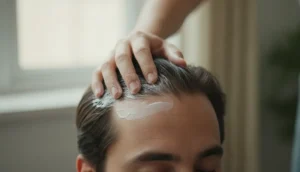
After transplantation, patients are advised to support the hair bulb function through gentle scalp massage, adequate hydration, and avoidance of harsh chemicals. These measures improve blood circulation, ensuring that the transplanted bulbs receive the nutrients they need to thrive.
| Technique | Bulb Preservation Strategy | Typical Graft Survival Rate |
|---|---|---|
| FUE | Microsurgical extraction with minimal trauma | 85‑90 % |
| DHI | Direct implantation using a Choi pen to reduce handling | 90‑95 % |
| Strip (FUT) | Removal of a scalp strip; higher risk of bulb damage | 75‑80 % |
Maintaining Healthy Hair Bulb Function
Beyond medical interventions, daily habits can sustain the hair bulb’s productivity throughout the lifespan of each hair strand.
Practical Tips
- Use a gentle, sulfate‑free shampoo to avoid stripping natural oils that protect the scalp.
- Apply a light scalp serum containing peptides that mimic growth‑factor signals.
- Limit heat styling to reduce oxidative stress on the follicle.
- Protect the scalp from UV radiation with hats or SPF‑infused hair products.
- Schedule regular check‑ups with a trichologist to monitor follicle health.
By nurturing the environment around the hair bulb, you reinforce the natural cycle of growth, shedding, and regeneration. Consistency in these practices often translates to longer anagen phases and a fuller appearance.
Why Choose Gold City Hair
Gold City Hair combines advanced transplant techniques with a personalized approach that respects the biology of each patient’s hair bulb. Since 2017, our team has refined FUE and DHI procedures to maximize graft survival and ensure natural‑looking results. Transparent communication, detailed pre‑operative assessments, and after‑care protocols are designed to protect the delicate structures that drive hair growth. Choosing Gold City Hair means trusting experts who prioritize the health of your hair follicles from the bulb upward.
Ready to restore your confidence with a solution rooted in science? Contact Gold City Hair today to schedule a complimentary consultation and discover how our expertise can revitalize your hair bulb function.
Take the first step toward fuller, healthier hair—your journey begins now.
SSS
What is the hair bulb and what does it do?
The hair bulb is the rounded base of the hair follicle where rapidly dividing cells generate the hair shaft.
How does the hair bulb influence the hair growth cycle?
During the anagen phase the bulb’s matrix cells divide rapidly, pushing the hair shaft upward; its activity wanes in catagen and telogen.
Which factors affect hair bulb function?
Nutrition, hormonal balance, genetics, medications, and scalp health all impact bulb performance.
How can nutrition improve hair bulb activity?
A diet rich in protein, iron, and vitamins boosts keratin production and supports the bulb’s rapid cell division.
What role does the hair bulb play in hair transplant procedures like FUE and DHI?
Preserving an intact bulb during extraction ensures grafts retain their regenerative capacity and higher survival rates.
How can I maintain healthy hair bulb function at home?
Use gentle, sulfate‑free shampoos, apply peptide serums, limit heat, protect from UV, and schedule regular trichology check‑ups.