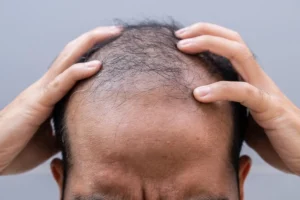
Bu hair shaft function is central to both everyday appearance and overall scalp health. While many people focus on hair loss, the actual role of the visible strand—its structure, protection, and sensory capabilities—often goes unnoticed. This article explains how the hair shaft works, why it matters for those considering hair restoration, and what you can do to keep it healthy.
Did you know that each hair strand can withstand up to 100 g of force before breaking? That strength comes from the intricate layers of the shaft, each serving a specific purpose. Whether you are evaluating a FUE transplant or simply caring for existing hair, understanding the shaft’s function helps you make informed decisions.
We will explore the anatomy of the hair shaft, its protective and sensory roles, its relevance in cosmetic procedures, and common myths that can lead to unnecessary worry. By the end, you’ll have a clear picture of how this seemingly simple structure supports your confidence and how Gold City Hair can assist you in achieving lasting results.
1. Anatomy of the Hair Shaft: Layers and Structure
The hair shaft is composed of three distinct layers, each contributing to its overall function. The outermost layer, the cuticle, consists of overlapping keratin scales that protect the inner structures from environmental damage. Beneath the cuticle lies the cortex, which contains densely packed keratin fibers and melanin pigments that determine hair strength and color. The innermost core, the medulla, is a loosely packed region of cells that may be absent in fine hair but provides additional structural support in thicker strands.
Understanding these layers is crucial when considering hair restoration techniques such as FUE or DHI. The integrity of the cuticle influences graft survival, while the cortex’s health affects the natural appearance of transplanted hair.
- Cuticle: Protects against mechanical stress and chemical exposure.
- Cortex: Provides tensile strength and houses melanin.
- Medulla: Adds bulk to thick hair, varies among individuals.
| Layer | Primary Role | Key Component |
|---|---|---|
| Cuticle | Barrier against damage | Keratin scales |
| Cortex | Strength and color | Keratin fibers, melanin |
| Medulla | Additional support | Loose cellular matrix |
2. Protective Role: How the Hair Shaft Shields the Scalp
The hair shaft serves as a frontline defense for the scalp and underlying skin. The cuticle’s overlapping scales create a water‑repellent barrier, reducing moisture loss and protecting against harsh weather. Moreover, the cortex contains keratin, a protein that resists UV radiation and mechanical abrasion.
In everyday life, this protective function helps maintain scalp temperature, prevents irritants from reaching the hair follicle, and reduces the risk of infections that could affect the hair follicle ve hair bulb. For individuals undergoing hair transplantation, preserving this barrier during post‑procedure care is essential to ensure grafts are not compromised by external factors.
Key protective aspects include:
- UV filtration: Melanin in the cortex absorbs harmful rays.
- Thermal insulation: Hair traps a layer of air, moderating scalp temperature.
- Physical shielding: The cuticle deflects dust, pollutants, and friction.
3. Sensory and Regulatory Functions of the Hair Shaft
Although the hair shaft itself is composed of dead keratinized cells, it plays a pivotal role in the body’s sensory network. Tiny nerve endings surround each hair follicle, allowing the brain to detect minute movements of the shaft. This mechanism alerts us to changes in our environment, such as a light breeze or the presence of insects.
Connected to the hair follicle is the arrector pili muscle, which contracts when the shaft is stimulated, causing “goosebumps.” This response not only provides a sensory cue but also helps trap a layer of air for additional insulation.
In the context of hair restoration, preserving the natural connection between the transplanted hair shaft and its surrounding nerves is essential for maintaining these sensory benefits. Patients often report a return of normal tactile sensation months after successful grafting.
- Touch perception: Nerve endings detect shaft displacement.
- Temperature regulation: Goosebumps create insulating air pockets.
- Reflex actions: Sudden stimuli trigger rapid muscle contraction.
4. Cosmetic and Medical Relevance of the Hair Shaft
Beyond its biological duties, the hair shaft is a canvas for cosmetic treatments and a key factor in medical procedures. The cuticle’s condition determines how well hair accepts dyes, bleaching agents, and conditioning products. Damage to this layer can lead to uneven color uptake and increased breakage.
In hair transplantation, understanding the shaft’s structure aids surgeons in selecting donor hairs with optimal characteristics—such as robust cuticles and strong cortex—to ensure graft longevity. Additionally, the hair growth cycle (anagen, catagen, telogen) influences timing for post‑operative care, as transplanted hairs must enter the anagen phase to grow successfully.
Below is a comparison of common cosmetic procedures and their impact on the hair shaft:
| Procedure | Effect on Cuticle | Effect on Cortex | Recommended Aftercare |
|---|---|---|---|
| Permanent Dye | Potential lift of scales | Penetrates for color | Moisturizing mask weekly |
| Bleaching | Significant cuticle damage | Oxidation of melanin | Protein treatments |
| Hair Transplant (FUE/DHI) | Preserves donor cuticle | Maintains natural strength | Gentle cleansing, avoid heat |
5. Common Misconceptions About Hair Shaft Health
Many myths surround the hair shaft, often leading to unnecessary worry. One prevalent belief is that the shaft can “grow” thicker if you massage the scalp. While massage improves blood flow to the hair follicle, it does not alter the diameter of the existing shaft. Another misconception is that cutting hair makes it grow faster; in reality, trimming removes split ends but does not affect the growth rate, which is governed by the hair bulb’s activity.
Understanding that the shaft is composed of dead cells clarifies why proper nutrition supports hair growth only at the follicular level, not by directly strengthening the shaft itself. Instead, protecting the cuticle and maintaining a healthy scalp environment are the best strategies for preserving shaft integrity.
Key takeaways to debunk myths:
- Shaving does not change growth speed.
- Hair thickness is genetically determined.
- Proper scalp care, not shaft manipulation, promotes health.
Why Choose Gold City Hair
Gold City Hair combines advanced FUE and DHI techniques with a personalized approach that respects the unique anatomy of each hair shaft. Since 2017, our clinic in Turkey has delivered natural‑looking results by preserving the integrity of donor hair, ensuring optimal cuticle health, and supporting the scalp’s natural growth cycle. Our transparent communication and tailored after‑care plans give you confidence throughout the restoration journey.
Ready to restore your confidence with healthy, natural‑looking hair? Contact Gold City Hair today to schedule a personalized consultation and discover how our expert team can help you achieve lasting results.
SSS
What are the main layers of the hair shaft and their functions?
The hair shaft has three layers: cuticle (protects), cortex (provides strength and color), and medulla (adds bulk in thick hair).
How does the hair shaft protect the scalp from UV radiation?
Melanin in the cortex absorbs harmful UV rays, while the cuticle reflects and blocks some radiation.
In what way does the hair shaft contribute to sensory perception?
Nerve endings around each follicle detect tiny movements of the shaft, sending signals to the brain.
Why is the condition of the cuticle important for hair transplantation?
A healthy cuticle ensures graft survival and better integration with the recipient site.
Can trimming or shaving make hair grow faster or thicker?
No, cutting hair only removes split ends; growth rate and thickness are determined by the follicle, not the shaft.
How can I maintain a healthy hair shaft after a hair transplant?
Use gentle cleansing, avoid heat styling, keep the cuticle moisturized, and protect from UV exposure.