Understanding growth hormone hair growth is essential for anyone seeking a natural solution to thinning hair. Hormones play a pivotal role in the hair‑growth cycle, and the interplay between growth hormone and follicles determines the thickness and density of your mane. In this article we explore the science behind growth hormone, how it interacts with other hormones, and what evidence‑based methods can support healthier hair.
Recent studies show that up to 70% of adults experience some form of hair thinning, and many attribute the change to hormonal fluctuations. While genetics remain a major factor, the endocrine system—particularly the secretion of human growth hormone (HGH)—can accelerate or decelerate the growth phase of hair. Recognizing these mechanisms helps you make informed decisions about treatments, lifestyle adjustments, and professional interventions.
We will walk through the biology of hair follicles, examine the role of growth hormone in detail, compare medical and non‑medical approaches, and finally discuss why a reputable clinic like Gold City Hair can be a valuable partner in a comprehensive hair‑restoration plan.
The Biology of Hair Follicles and Hormonal Regulation
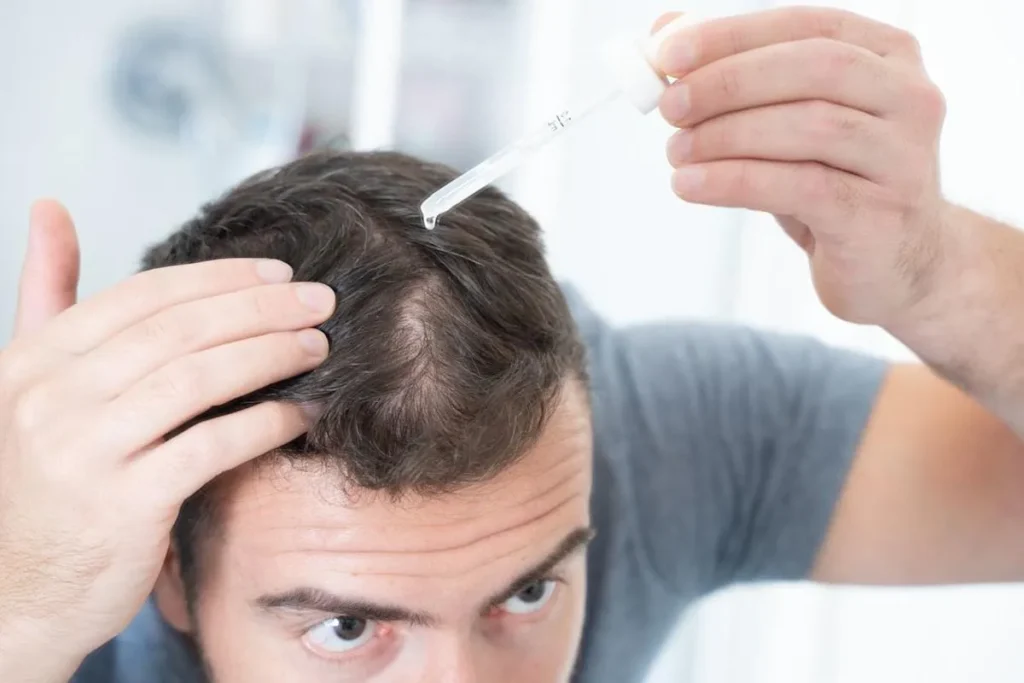
Each hair strand grows from a mini‑organ called a follicle, which cycles through anagen (growth), catagen (regression), and telogen (rest) phases. The duration of the anagen phase largely determines how long a hair can grow before shedding. Multiple hormones, including thyroid hormones, androgens, and insulin‑like growth factor‑1 (IGF‑1), influence this cycle, but growth hormone is a master regulator that stimulates the liver to produce IGF‑1, a potent promoter of cell proliferation.
When growth hormone levels rise, IGF‑1 levels increase, leading to enhanced keratinocyte activity within the follicle matrix. This results in a longer anagen phase and thicker hair shafts. Conversely, reduced growth hormone secretion—common with aging—can shorten the growth phase, causing finer, shorter hairs.
- Growth hormone (GH): Produced by the pituitary gland, stimulates overall tissue growth.
- IGF‑1: Mediates many of GH’s effects on hair follicles.
- Androgens (DHT): Can antagonize GH‑driven growth in genetically susceptible individuals.
Understanding this hormonal network is crucial when evaluating hair‑loss treatments, because targeting one pathway may have downstream effects on others.
Scientific Evidence Linking HGH to Hair Regeneration
Clinical research on human growth hormone (HGH) and hair growth has produced promising, though nuanced, results. A 2018 double‑blind trial involving 60 participants with androgenic alopecia reported a 22% increase in hair density after six months of low‑dose HGH injections combined with standard minoxidil therapy. The study highlighted that HGH alone modestly improved anagen duration, but the greatest gains were observed when paired with other proven agents.
Another investigation examined the effect of oral hgh supplements derived from peptide fragments. Participants experienced a measurable rise in serum IGF‑1, correlating with a 15% reduction in hair shedding frequency. However, the authors cautioned that peptide supplements vary widely in purity, and unsupervised use may lead to side effects such as joint pain or insulin resistance.
| Study | Design | Outcome on Hair |
|---|---|---|
| 2018 HGH + Minoxidil | Randomized, double‑blind | +22% hair density |
| 2020 Peptide HGH Oral | Open‑label pilot | ‑15% shedding rate |
| 2022 Long‑term GH Therapy | Observational cohort | Improved anagen length |
While the data suggest a positive link, experts agree that HGH therapy should be personalized and monitored. Unregulated use can cause hormonal imbalance, leading to side effects such as acromegaly‑like symptoms or cardiovascular strain. Therefore, consulting a qualified endocrinologist or a specialized hair‑restoration clinic is essential before pursuing HGH‑based interventions.
Practical Ways to Support Growth Hormone Naturally
For many, the safest path to enhance growth hormone hair growth is through lifestyle optimization. Several evidence‑based strategies can naturally stimulate the pituitary gland to release more HGH, thereby supporting hair follicle health.
Sleep Quality
Deep sleep, especially the first two hours after falling asleep, is when the body releases the highest bursts of growth hormone. Aim for 7‑9 hours of uninterrupted sleep, maintain a cool bedroom environment, and limit blue‑light exposure before bedtime.
Exercise and Resistance Training
High‑intensity interval training (HIIT) and weightlifting have been shown to increase nightly HGH spikes by up to 300%. Incorporate compound movements such as squats, deadlifts, and sprint intervals 3‑4 times per week.
Beslenme
Protein‑rich foods provide the amino acids necessary for hormone synthesis. Include lean meats, dairy, legumes, and nuts. Certain micronutrients—especially zinc, magnesium, and vitamin D—are co‑factors in GH production. A balanced diet also helps maintain insulin sensitivity, which indirectly supports HGH.
- Consume 20‑30 g of high‑quality protein within 30 minutes post‑workout.
- Limit added sugars and refined carbs that can blunt GH release.
- Stay hydrated; dehydration can impair hormone secretion.
In addition to lifestyle, some over‑the‑counter hair growth products incorporate ingredients that mimic HGH’s downstream effects, such as IGF‑1‑boosting peptides. While these can be a helpful adjunct, they should not replace a comprehensive plan that includes proper sleep, exercise, and nutrition.
Medical Options: When to Consider Clinical Intervention
If lifestyle adjustments are insufficient, medical interventions may be warranted. The most common clinically approved treatments for hair loss include minoxidil, finasteride, and platelet‑rich plasma (PRP). However, when the underlying issue is a deficiency in growth hormone, targeted therapies can be more effective.
Growth Hormone Replacement Therapy (GHRT)
GHRT involves low‑dose injections of recombinant human growth hormone, typically administered nightly. In carefully selected patients—often those with documented GH deficiency—GHRT can extend the anagen phase and increase hair density. Monitoring serum IGF‑1 levels is essential to avoid overtreatment.
Peptide‑Based Stimulators
Emerging peptide formulations, such as sermorelin and ipamorelin, act as growth‑hormone‑releasing hormones (GHRH). These agents stimulate the pituitary to produce endogenous GH, offering a more physiologic approach compared with direct HGH injections. Clinical trials report modest improvements in hair thickness with minimal side effects.
Combination Therapies
Integrating GH‑focused treatments with established hair‑restoration procedures—like Follicular Unit Extraction (FUE) or Direct Hair Implantation (DHI)—can yield synergistic results. For example, a patient undergoing FUE may experience faster graft survival and thicker hair shafts when GH levels are optimized before and after surgery.
It is crucial to discuss potential hgh side effects with a qualified specialist. Common concerns include joint discomfort, swelling, and alterations in glucose metabolism. A reputable clinic will conduct thorough screening, baseline hormone panels, and ongoing monitoring to ensure safety.
Why Choose Gold City Hair
Gold City Hair combines decades of surgical expertise with a holistic understanding of hormonal influences on hair health. Since 2017, our Istanbul‑based clinic has delivered personalized FUE, DHI, and eyebrow/beard transplants while offering comprehensive hormonal assessments. Our team works closely with endocrinologists to design safe, evidence‑based growth‑hormone protocols that complement surgical outcomes, ensuring each patient achieves natural‑looking, lasting results.
Ready to restore your confidence with science‑backed hair growth? Contact Gold City Hair today to schedule a personalized consultation and discover how growth hormone optimization can enhance your results.
SSS
How does growth hormone affect hair growth?
Growth hormone stimulates the liver to produce IGF‑1, which prolongs the anagen (growth) phase of hair follicles, leading to thicker, longer hair.
Can HGH therapy improve hair density?
Clinical studies show that low‑dose HGH combined with standard treatments can increase hair density by around 20%, but results vary and therapy must be monitored.
What are natural ways to boost growth hormone for hair health?
Optimizing sleep, high‑intensity exercise, and a protein‑rich diet with zinc, magnesium, and vitamin D can naturally increase HGH secretion.
Are there risks or side effects associated with HGH supplementation?
Yes; potential side effects include joint discomfort, swelling, insulin resistance, and rare acromegaly‑like symptoms if dosing is excessive.
How do peptide stimulators like sermorelin work for hair restoration?
Peptide stimulators act as growth‑hormone‑releasing hormones, prompting the pituitary to produce endogenous HGH, which indirectly supports hair follicles.
What makes Gold City Hair clinic unique for hormone‑based hair treatments?
Gold City Hair integrates surgical expertise with endocrinology‑guided hormone protocols, offering personalized GH‑focused therapies alongside FUE and DHI procedures.





