Many people notice bumps on scalp hair loss as an unsettling sign that something is amiss with their hair health. While occasional irritation is normal, persistent bumps may indicate an underlying condition that could accelerate hair thinning or loss. In this article we explore the common reasons behind scalp bumps, how they relate to different types of hair loss, and what steps you can take to restore a healthy scalp.
According to dermatological studies, up to 30% of individuals with hair loss also experience some form of scalp inflammation. Recognizing the connection early can prevent further damage and improve the success of restorative treatments. We’ll cover the most frequent culprits—such as folliculitis, seborrheic dermatitis, and acne—while also addressing how these issues intersect with conditions like alopecia areata and androgenetic alopecia.
By the end of this guide you’ll know when a simple skincare adjustment is enough and when professional evaluation is essential, empowering you to take confident action toward fuller, healthier hair.
What Causes Bumps on the Scalp?
Scalp bumps arise from a variety of dermatological and hormonal factors. Understanding the root cause is the first step toward effective treatment.
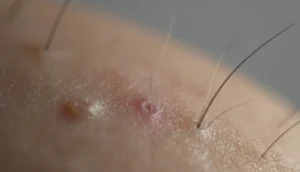
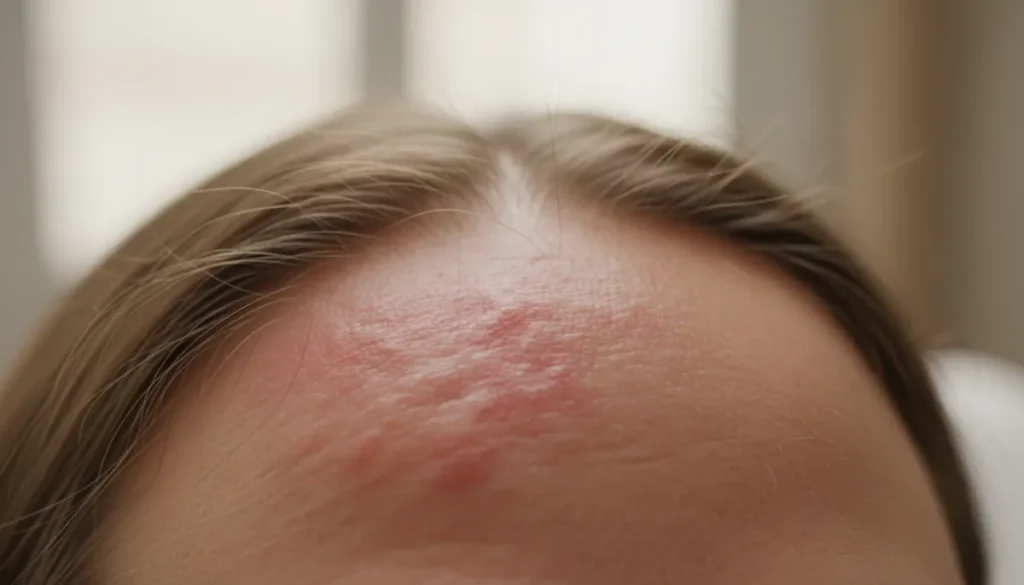
Folikülit is one of the most common inflammatory conditions, occurring when hair follicles become infected by bacteria or fungi. It often appears as small, red pustules that may itch or burn. Similar presentations include scalp acne ve pimples on scalp, which are typically linked to clogged pores and excess sebum.
Other notable causes include:
- Seborrheic dermatitis scalp – a flaky, oily rash that can produce itchy bumps.
- Hot‑tub folliculitis – caused by exposure to contaminated water, leading to tender nodules.
- Pseudofolliculitis barbae – though more common in facial hair, it can affect the scalp when hair grows back into the skin.
Below is a quick comparison of the most frequent scalp bump conditions:
| Condition | Typical Appearance & Triggers |
|---|---|
| Folikülit | Red papules or pustules; bacterial infection, friction, shaving |
| Scalp Acne | Blackheads, whiteheads, or cystic lesions; excess oil, clogged pores |
| Seboreik Dermatit | Greasy scales, itching; Malassezia yeast overgrowth |
| Hot‑Tub Folliculitis | Clustered pustules; exposure to contaminated hot tubs |
Identifying the specific condition often requires a visual exam by a dermatologist, especially when the bumps are accompanied by hair shedding.
How Bumps Relate to Different Types of Hair Loss
Not all hair loss stems from the same cause, and scalp bumps can be a clue to the specific type you’re experiencing. Recognizing the pattern helps clinicians choose the most appropriate therapy.
Alopecia areata is an autoimmune condition that often presents as smooth, round patches of hair loss. While it typically does not cause bumps, secondary infection from scratching can lead to folliculitis, complicating the clinical picture.
Androgenetic alopecia (male or female pattern baldness) is driven by hormonal sensitivity and genetics. In its early stages, the scalp may become oily, increasing the risk of acne or folliculitis, which can exacerbate hair thinning.
Telogen effluvium is a temporary shedding phase triggered by stress, illness, or medication. The scalp may feel itchy, and inflammation from existing folliculitis can intensify the perception of hair loss.
Below is a table linking common scalp bumps to specific hair‑loss categories:
| Hair‑Loss Type | Associated Scalp Bumps |
|---|---|
| Alopesi Areata | Secondary folliculitis from scratching |
| Androgenetik Alopesi | Acne, seborrheic dermatitis, folliculitis |
| Telogen Effluvium | Occasional pustules due to stress‑related inflammation |
| Scarring Alopecia (e.g., folliculitis decalvans) | Chronic folliculitis leading to permanent scarring |
When bumps appear alongside noticeable thinning, it’s a signal to seek a comprehensive evaluation that addresses both the inflammation and the hair‑loss mechanism.
When to Seek Professional Evaluation
While mild scalp irritation can often be managed at home, certain signs indicate that professional care is essential. Prompt assessment can prevent permanent hair loss and reduce the risk of scarring.
Consult a dermatologist or a hair‑restoration specialist if you notice any of the following:
- Persistent bumps on scalp hair loss that do not improve after two weeks of basic care.
- Sudden, patchy hair loss accompanied by redness, swelling, or pus.
- Intense itching, burning, or pain that interferes with daily activities.
- Signs of infection such as fever or spreading redness.
- Family history of alopecia or early‑onset pattern baldness.
During a clinical visit, the physician may perform:
- A visual scalp examination using a dermatoscope.
- Laboratory tests to rule out bacterial or fungal infection.
- Blood work to assess hormone levels, thyroid function, and autoimmune markers.
These diagnostics help differentiate between benign conditions like simple folliculitis and more serious disorders such as scarring alopecia, guiding the choice of treatment.
Treatment Options for Scalp Bumps and Hair Loss
Effective treatment typically combines anti‑inflammatory therapy with strategies to halt or reverse hair loss. The specific plan depends on the underlying cause identified by your clinician.
Medical Management
- Topical antibiotics or antifungals for folliculitis and bacterial infections.
- Corticosteroid creams or oral steroids for severe inflammation or autoimmune alopecia.
- Antifungal shampoos (e.g., ketoconazole) to control seborrheic dermatitis.
- Minoxidil 5% solution to stimulate hair follicles in androgenetic alopecia.
Procedural Interventions
- Laser therapy to reduce inflammation and improve scalp circulation.
- Platelet‑rich plasma (PRP) injections, which deliver growth factors to weakened follicles.
- Hair transplant techniques such as FUE (Follicular Unit Extraction) or DHI (Direct Hair Implantation) for permanent restoration.
Below is a concise comparison of conservative versus surgical approaches:
| Approach | Typical Use Cases | Expected Outcome |
|---|---|---|
| Topical/Oral Medications | Folliculitis, seborrheic dermatitis, early‑stage androgenetic alopecia | Reduced inflammation, slowed hair loss, modest regrowth |
| Laser & PRP | Chronic inflammation, telogen effluvium, thinning hair | Improved scalp health, increased follicle activity |
| FUE / DHI Transplant | Advanced pattern baldness, scarring alopecia, stable donor area | Permanent, natural‑looking hair density |
Choosing the right combination often involves trial of medical therapy first, followed by surgical options if the response is limited. Your specialist will tailor a plan that addresses both the bumps and the underlying hair‑loss mechanism.
Preventive Care and Lifestyle Tips
Maintaining a healthy scalp environment reduces the likelihood of bumps and supports robust hair growth. Simple daily habits can make a significant difference.
Scalp Hygiene
- Wash with a gentle, sulfate‑free shampoo 2–3 times per week.
- Use a soft brush to exfoliate dead skin cells without irritating follicles.
- Avoid tight hats or helmets that trap heat and moisture.
Nutrition & Lifestyle
- Consume a balanced diet rich in proteins, omega‑3 fatty acids, zinc, and biotin.
- Stay hydrated to keep skin elasticity optimal.
- Manage stress through exercise, meditation, or adequate sleep, as chronic stress can trigger telogen effluvium.
Environmental Considerations
- Limit exposure to harsh chemicals, chlorinated water, and excessive heat styling.
- Protect the scalp from UV radiation with a hat or sunscreen spray formulated for hair.
By integrating these preventive measures, you create a resilient scalp that is less prone to inflammation and more supportive of healthy hair follicles.
Why Choose Gold City Hair for Your Hair Restoration Journey
Gold City Hair has been delivering personalized hair‑restoration solutions in Turkey since 2017. Our clinic combines state‑of‑the‑art FUE and DHI techniques with a compassionate, transparent approach. Whether you are dealing with bumps on scalp hair loss or seeking a full‑scale transplant, our experienced medical team provides thorough assessments, tailored treatment plans, and ongoing support to help you regain confidence and natural‑looking hair.
Ready to take control of your scalp health and restore your hair? Contact Gold City Hair today to schedule a personalized consultation and discover the most effective solutions for your unique needs.
SSS
What are the common causes of bumps on the scalp?
Typical causes include folliculitis, scalp acne, seborrheic dermatitis, hot‑tub folliculitis, and pseudofolliculitis barbae.
How can scalp bumps lead to hair loss?
Inflammation from bumps can damage hair follicles, accelerating shedding or causing scarring alopecia.
When should I see a dermatologist for scalp bumps?
Seek professional care if bumps persist beyond two weeks, are painful, cause patchy hair loss, or show signs of infection.
What treatment options are available for scalp bumps and hair loss?
Treatments range from topical antibiotics and antifungal shampoos to laser therapy, PRP, and surgical hair transplants.
Can lifestyle changes prevent scalp bumps and hair loss?
Yes, good scalp hygiene, balanced nutrition, stress management, and protecting the scalp from harsh environments help prevent issues.
How does Gold City Hair address bumps on scalp and hair loss?
Gold City Hair offers personalized assessments, medical therapy, PRP, laser, and advanced FUE/DHI transplants performed by experienced specialists.