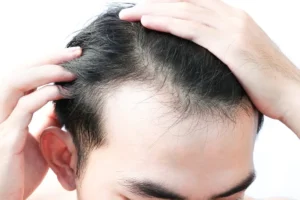
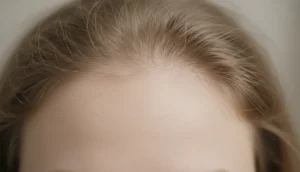
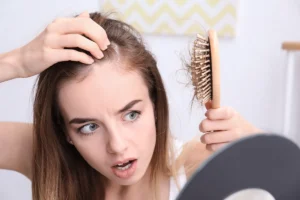
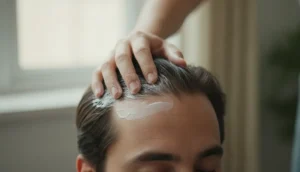
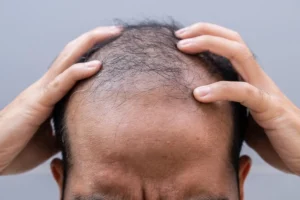
Everyone wants a fuller, healthier hairline, but many wonder how to grow hairline after it has started to recede. This article explains the science behind hairline loss, explores both non‑surgical and surgical solutions, and offers practical lifestyle tips that support regrowth. Whether you’re dealing with a subtle thinning or a more pronounced recession, understanding the underlying factors is the first step toward a confident appearance.
According to recent dermatology studies, up to 40 % of men and 30 % of women notice a receding hairline by the age of 35. The good news is that a combination of modern technology and proven home remedies can help you regain density and shape. In the sections below, we’ll cover everything from red light therapy benefits to the precision of FUE and DHI transplants, so you can decide which path aligns with your goals.
By the end of this guide, you’ll have a clear roadmap for how to grow hairline, what treatments actually work, and how to choose a clinic that delivers safe, lasting results.
Understanding Hairline Loss and Its Causes
The first step in any successful hair restoration plan is identifying why the hairline is retreating. Hairline loss can be triggered by a mix of genetic, hormonal, and environmental factors. Below is a concise list of the most common contributors:
- Genetic predisposition – often referred to as androgenetic alopecia.
- Hormonal changes – especially dihydrotestosterone (DHT) spikes.
- Stress and poor sleep – chronic cortisol elevation can weaken follicles.
- Nutrition deficiencies – lack of iron, zinc, or biotin hampers growth.
- Scalp conditions – psoriasis, seborrheic dermatitis, and fungal infections.
- Improper hair care – excessive heat, tight hairstyles, and harsh chemicals.
Understanding these triggers helps you target the right treatment. For instance, if hormonal imbalance is the primary driver, a doctor may recommend DHT‑blocking medication alongside lifestyle changes. Conversely, if the issue stems from scalp inflammation, anti‑inflammatory shampoos and photobiomodulation can be highly effective.
Many patients also notice that a receding hairline progresses faster during periods of high stress or after major weight fluctuations. Tracking these patterns can provide valuable clues for your practitioner, allowing a more personalized approach to regrowth.
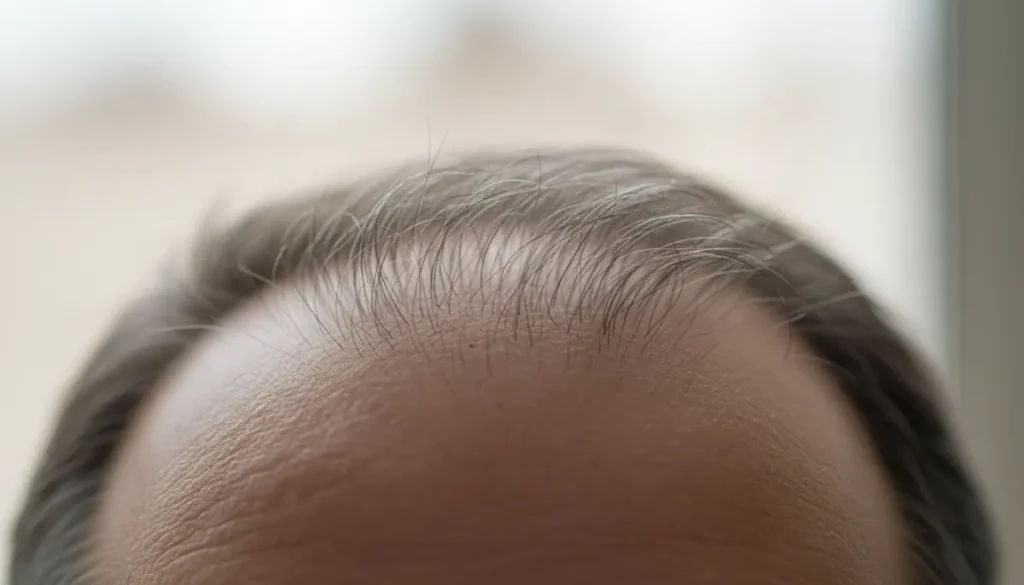
Non‑Surgical Treatments to Grow Hairline
For those who prefer to avoid surgery, a range of non‑invasive options can stimulate follicle activity and improve density. Among the most researched are red light therapy and low‑level laser devices, which fall under the umbrella of photobiomodulation. These treatments use specific wavelengths to increase blood flow, reduce inflammation, and activate cellular metabolism within the hair follicle.
Red Light Therapy for Hair Loss
Red light therapy (RLT) operates at wavelengths between 630‑660 nm, delivering energy that penetrates the scalp and encourages the production of adenosine triphosphate (ATP). Clinical trials have shown a 30‑45 % increase in hair density after 12 weeks of regular sessions. Benefits include:
- Reduced follicle miniaturization.
- Improved scalp circulation.
- Minimal side effects – no known carcinogenic risk.
Devices range from handheld panels to full‑head caps. When selecting a device, look for FDA‑cleared models that specify “red light therapy for hair growth.” Consistency is key; most protocols recommend 3‑5 minutes per session, three times a week.
Other Topical and Oral Options
In addition to light therapy, several topical and oral treatments have demonstrated efficacy:
| Treatment | Mechanism | Typical Results |
|---|---|---|
| Minoxidil 5% | Vasodilation, follicle stimulation | Visible regrowth in 4‑6 months |
| Finasteride (oral) | DHT inhibition | Stabilizes loss, modest regrowth |
| Biotin supplements | Supports keratin production | Best as adjunct, not primary |
| Peptide serums | Signals follicle proliferation | Early-stage improvement |
When combined with a healthy diet and scalp care routine, these options can create a supportive environment for hair to grow back along the hairline.
Surgical Options: FUE and DHI Hair Transplant Techniques
When non‑surgical methods reach their limits, surgical transplantation offers a permanent solution. The two most popular techniques are FUE (Follicular Unit Extraction) and DHI (Direct Hair Implantation). Both procedures harvest healthy donor follicles—typically from the back of the scalp—and implant them into the thinning hairline, creating a natural‑looking hairline that can last a lifetime.
FUE (Follicular Unit Extraction)
FUE involves extracting individual follicular units with a micro‑punch tool, leaving tiny dot‑like scars that are virtually invisible. Advantages include:
- High graft survival rate (90‑95 %).
- Flexibility to design a customized hairline.
- Quick recovery – most patients resume normal activities within 5‑7 days.
DHI (Doğrudan Saç İmplantasyonu)
DHI uses a specialized implanter pen that places grafts directly into the recipient area without creating pre‑made channels. This method offers:
- Greater control over graft angle and depth.
- Reduced handling time, potentially improving graft viability.
- Ideal for patients seeking a denser, sharper hairline.
Comparison Table
| Feature | FUE | DHI |
|---|---|---|
| Extraction Method | Micro‑punch, individual units | Micro‑punch + implanter pen |
| Implantation Speed | Channel‑first, then graft placement | Direct placement, faster |
| Scarring | Tiny dot scars | Similar dot scars, often less visible |
| Ideal Candidates | Moderate‑to‑severe loss | Precise hairline shaping |
Both FUE and DHI can be performed in Turkey’s leading clinics, where experienced surgeons achieve natural results at competitive prices. After the procedure, patients typically see new hair growth within 3‑4 months, with full density by 12‑18 months.
Lifestyle and Home Remedies for Supporting Hairline Growth
Even after choosing a medical or surgical route, everyday habits play a crucial role in maintaining and enhancing results. Below are evidence‑based lifestyle practices that can help you grow hairline faster and keep the new growth healthy.
Nutrition for Follicle Health
Hair is made primarily of keratin, a protein that requires specific nutrients to form correctly. Include these foods in your diet:
- Lean proteins – chicken, fish, legumes.
- Omega‑3 fatty acids – salmon, walnuts, flaxseed.
- Iron‑rich foods – spinach, lentils, red meat.
- Vitamins A, C, D, and E – colorful vegetables and fruits.
- Zinc and biotin – pumpkin seeds, eggs, dairy.
Scalp Care Techniques
Regular scalp massage stimulates blood flow, which can enhance the delivery of nutrients to follicles. Use gentle circular motions for 3‑5 minutes daily, optionally with a nourishing oil such as rosemary or castor oil. Clinical studies have shown a modest increase in hair density when massage is combined with topical minoxidil.
Hair Care Practices
Adopt gentle hair care routines to avoid further damage:
- Use sulfate‑free shampoos and avoid daily washing.
- Limit heat styling; if necessary, use a low‑heat setting.
- Avoid tight ponytails or braids that pull on the hairline.
- Consider a silk pillowcase to reduce friction while sleeping.
These habits, while simple, create a supportive environment that maximizes the benefits of any clinical treatment you may pursue.
What to Expect During a Hairline Restoration Journey
Embarking on a hairline restoration plan involves several stages, each designed to ensure safety, effectiveness, and a natural outcome. Below is a typical timeline:
- Initial Consultation – A detailed assessment of your hair loss pattern, medical history, and goals.
- Diagnostic Testing – Blood work and scalp analysis to rule out underlying conditions.
- Treatment Planning – Selection of non‑surgical options, surgical technique (FUE or DHI), or a combined approach.
- Procedure Day – For surgery, the process usually lasts 6‑8 hours; non‑surgical sessions are shorter.
- Recovery & Aftercare – Post‑procedure instructions, medication, and follow‑up visits.
- Growth Phase – New hair emerges gradually, with most visible results after 6‑12 months.
Throughout this journey, clear communication with your clinic is essential. Ask about graft survival rates, expected density, and any potential side effects. A transparent provider will also give you realistic timelines, helping you stay motivated as you watch your hairline improve.
Why Choose Gold City Hair
Gold City Hair has been delivering personalized hair restoration solutions since 2017. Our clinic combines state‑of‑the‑art FUE and DHI techniques with a compassionate, patient‑focused approach. We prioritize transparent communication, thorough pre‑procedure screening, and post‑treatment support to ensure you achieve a natural, lasting hairline. Trust a team that values your confidence as much as your results.
Ready to start your journey toward a fuller hairline? Contact Gold City Hair today to schedule a free, no‑obligation consultation and discover the best plan for you.
Take the first step to confidence—your new hairline awaits.
SSS
What are the main causes of hairline loss?
Hairline loss is typically caused by genetics, hormonal changes, stress, nutritional deficiencies, scalp conditions, and improper hair care.
How does red light therapy promote hairline regrowth?
Red light therapy uses specific wavelengths to increase scalp blood flow and stimulate cellular activity, boosting hair follicle health.
What is the difference between FUE and DHI hair transplant techniques?
FUE extracts individual follicles with a micro‑punch, while DHI uses an implanter pen to place grafts directly without pre‑made channels.
Which nutrients are essential for supporting hairline growth?
Protein, omega‑3 fatty acids, iron, vitamins A, C, D, E, zinc, and biotin are key for healthy hair follicles.
What should I expect during the hairline restoration journey?
The process includes consultation, diagnostics, treatment planning, the procedure, recovery, and a growth phase lasting up to 12‑18 months.