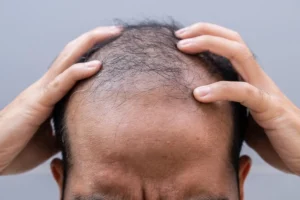
When exploring the types of hair transplants for men, it’s essential to understand the available techniques, their benefits, and the recovery process. Hair loss affects millions worldwide, and modern saç restorasyonu methods provide realistic, long‑lasting results. Whether you’re dealing with early thinning or advanced baldness, choosing the right procedure can restore not only your hair but also your confidence.
In recent years, Turkey has become a leading destination for hair restoration, offering state‑of‑the‑art clinics and competitive pricing. At Gold City Hair, we combine expertise with personalized care, ensuring each patient receives a treatment plan tailored to their unique pattern of hair loss.
This article will guide you through the most common hair transplant techniques, explain how to match a method to your specific needs, and outline what you can expect before, during, and after the procedure.
1. Overview of the Most Common Hair Transplant Techniques
Several techniques dominate the market, each with distinct procedural steps and outcomes. Understanding these methods helps you make an informed decision.
- Foliküler Ünite Ekstraksiyonu (FUE): Individual follicular units are harvested directly from the donor area using a micro‑punch tool, leaving minimal scarring.
- Direct Hair Implantation (DHI): Similar to FUE, but follicles are implanted immediately with a patented implanter pen, reducing handling time.
- Foliküler Ünite Transplantasyonu (FUT), also known as the strip method: A strip of scalp is removed, dissected into grafts, and then transplanted.
- Eyebrow and Beard Transplants: Specialized graft placement for facial hair restoration, using the same principles as scalp procedures.
Each technique addresses different aspects of hair loss treatment. FUE and DHI are favored for their minimal invasiveness and quick recovery, while FUT may be chosen for patients requiring a larger number of grafts in a single session.
| Technique | Donor Area | Scarring | Typical Graft Yield | Recovery Time |
|---|---|---|---|---|
| FUE | Individual extraction | Dot‑like, almost invisible | 1,500–3,000 per session | 7–10 days |
| DHI | Individual extraction | Dot‑like, almost invisible | 1,200–2,800 per session | 7–10 days |
| FUT | Strip removal | Linear scar | 2,000–5,000 per session | 10–14 days |
Choosing the right method depends on your hair loss severity, donor hair availability, and personal preferences regarding scarring and downtime.

2. Matching Technique to Hair Loss Pattern and Goals
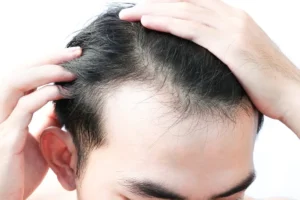
Men experience hair loss in various patterns, from a receding hairline to diffuse thinning. Understanding your pattern helps determine which hair transplant method will deliver the most natural result.
Pattern Types
- Receding Hairline (Norwood 2‑3): Ideal for precise graft placement; FUE or DHI offers fine control for creating a natural hairline.
- Vertex Baldness (Norwood 5‑6): Larger graft numbers may be required; FUT can provide a higher yield in a single session.
- Diffuse Thinning: Combination approaches, possibly integrating medical hair loss treatment like finasteride, may complement transplantation.
Beyond pattern, consider your aesthetic goals. If you desire a dense crown quickly, a higher graft count with FUT might be preferable. For subtle, undetectable scars, FUE or DHI is the better choice.
Consultation with an experienced surgeon will involve a thorough hair loss evaluation, including a scalp examination and possibly a trichoscopic analysis, to map donor zones and estimate the number of grafts needed.
3. Procedure Details, Recovery, and After‑Care
Understanding what happens on the day of surgery and the weeks that follow can alleviate anxiety and help you prepare effectively.
Day‑of Procedure
- Local anesthesia is administered to the donor and recipient areas.
- Grafts are harvested using the chosen technique (FUE, DHI, or FUT).
- Each graft is carefully placed into pre‑made incisions that mimic natural hair growth angles.
Recovery Timeline
| Day | Typical Experience |
|---|---|
| 1‑2 | Mild swelling, possible scabbing around donor sites. |
| 3‑7 | Crusting of transplanted hairs; most patients resume light activities. |
| 2‑4 weeks | Shedding of transplanted hairs (normal shedding phase). |
| 3‑6 months | New hair growth becomes noticeable. |
| 12+ months | Full maturation of grafts; final density achieved. |
Post‑operative care includes gentle washing, avoiding direct sun exposure, and adhering to prescribed medications such as antibiotics or anti‑inflammatories. Maintaining a healthy lifestyle and following a hair regrowth regimen can enhance results.
4. Cost Considerations and Value Comparison
While price is a significant factor, evaluating the overall value—including expertise, facility standards, and after‑care—ensures a satisfactory outcome.
Cost Factors
- Number of grafts: Higher graft counts increase total cost.
- Technique: DHI often carries a premium due to specialized equipment.
- Clinic reputation: Established centers may charge more but offer proven results.
- Travel and accommodation: For international patients, consider package deals that include lodging.
Typical price ranges (per graft) in Turkey are:
| Technique | Price per Graft (USD) | Average Total Cost for 2,500 Grafts |
|---|---|---|
| FUE | $1.50 – $2.00 | $3,750 – $5,000 |
| DHI | $2.00 – $2.80 | $5,000 – $7,000 |
| FUT | $1.20 – $1.70 | $3,000 – $4,250 |
When comparing costs, factor in the long‑term benefits. A well‑executed transplant reduces the need for ongoing hair loss therapy and can improve self‑esteem, translating into intangible value beyond the initial investment.
5. Specialized Options: Eyebrow, Beard, and Scalp‑Hairline Transplants
Beyond traditional scalp restoration, many men seek facial hair enhancement or precise hairline reconstruction. These specialized procedures use the same principles as standard transplants but require meticulous artistic planning.
Eyebrow Transplants
Ideal for patients with sparse or missing eyebrows due to genetics or trauma. The hairline transplant technique ensures natural direction and thickness.
Beard Transplants
For men desiring a fuller beard, grafts are placed to follow the natural growth pattern, creating a seamless look.
Hairline Reconstruction
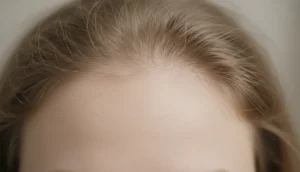
When the original hairline has been lost, a meticulous hairline transplant can recreate a youthful frontal appearance, often using single‑hair grafts for utmost realism.
These procedures are frequently combined with scalp transplants to achieve a comprehensive aesthetic transformation.
Why Choose Gold City Hair
At Gold City Saç, we combine cutting‑edge technology with a personalized approach. Since 2017, our clinic in Turkey has performed thousands of successful hair restoration procedures, including FUE, DHI, and facial hair transplants. Our team prioritizes transparent communication, detailed pre‑operative planning, and comprehensive after‑care, ensuring each patient feels confident throughout the journey. By choosing us, you benefit from experienced surgeons, state‑of‑the‑art facilities, and a commitment to natural, lasting results.
Ready to restore your confidence with a tailored hair transplant plan? Contact Gold City Hair today to schedule your free consultation and take the first step toward a fuller, natural look.
SSS
What are the main types of hair transplant techniques for men?
The primary techniques are Follicular Unit Extraction (FUE), Direct Hair Implantation (DHI), and Follicular Unit Transplantation (FUT).
How do I choose between FUE, DHI, and FUT?
Choose based on scar preference, graft quantity needed, and recovery time.
What is the typical recovery timeline after a hair transplant?
Recovery usually spans 7‑10 days for initial healing, with full results visible after 12+ months.
How much does a hair transplant cost in Turkey?
Prices range from $1.20 to $2.80 per graft, depending on the technique.
Can hair transplants be performed on eyebrows and beards?
Yes, specialized eyebrow and beard transplants use the same principles as scalp transplants.
Why should I consider Gold City Hair for my transplant?
Gold City Hair offers experienced surgeons, state‑of‑the‑art facilities, and personalized after‑care.