When you notice strands on your pillow or in the shower, you may wonder whether you are experiencing hair shedding vs hair loss. While both involve strands falling out, the underlying mechanisms, duration, and long‑term impact can be very different. Understanding these differences is essential because it determines whether a simple lifestyle change will suffice or if a medical or surgical intervention is needed.
According to dermatology studies, up to 80 % of people experience temporary shedding after a stressful event, yet only a fraction develop permanent loss that requires treatment. This article walks you through the science behind shedding and loss, highlights common causes such as alopecia ve male pattern baldness, and offers guidance on identifying the condition you face.
We’ll also explore effective solutions—from nutritional adjustments to advanced transplant techniques like FUE and DHI—so you can make an informed decision about restoring confidence in your hair.
Understanding the Basics: Shedding vs Loss
At first glance, shedding and loss may seem interchangeable, but clinicians distinguish them based on growth cycles and permanence.
What Is Hair Shedding?
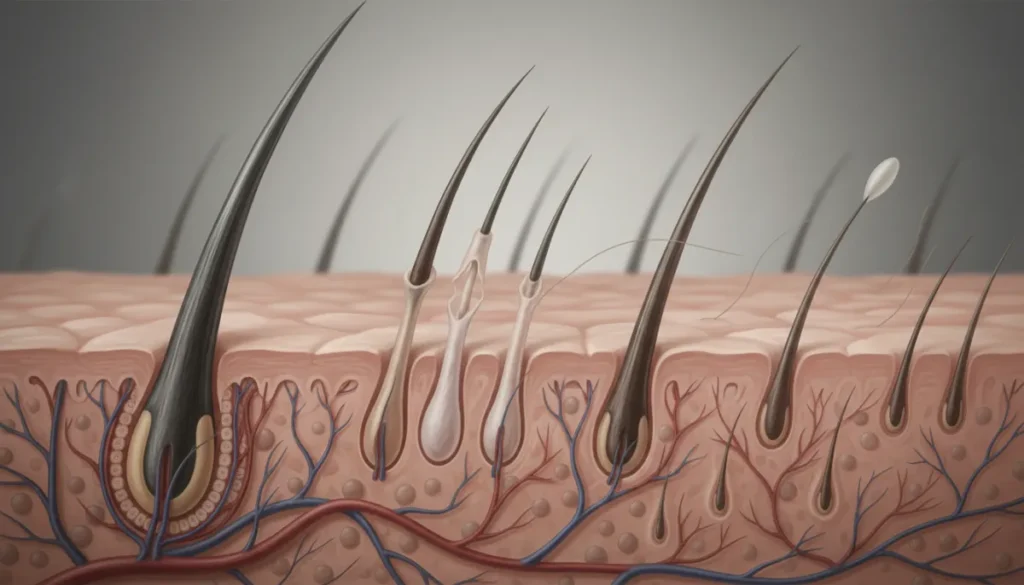
Hair shedding is a normal part of the hair growth cycle. Each strand goes through anagen (growth), catagen (transition), and telogen (rest) phases. During the telogen phase, up to 100 hairs naturally fall out each day. This process is called telogen effluvium when it becomes noticeable due to a trigger such as illness, medication, or severe stress.
What Is Hair Loss?
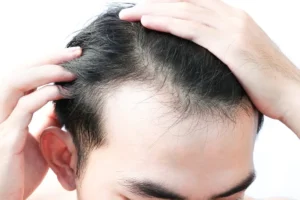
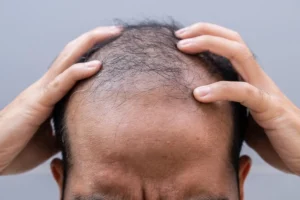
Hair loss, in contrast, refers to a permanent reduction in the number of active follicles. Conditions like androgenetic alopecia (commonly known as male or female pattern baldness) shrink follicles over time, leading to thinning and bald spots that do not regrow without intervention.
- Shedding: Temporary, reversible, usually uniform across the scalp.
- Loss: Progressive, often patterned (e.g., receding hairline, crown thinning).
- Shedding: Linked to acute stressors.
- Loss: Driven by genetics, hormones, or chronic scalp disorders.
| Aspect | Saç Dökülmesi | Saç Dökülmesi |
|---|---|---|
| Cause | Stress, illness, medication, nutritional deficiency | Genetics, hormones, scarring, autoimmune conditions |
| Duration | Weeks to months | Months to years, often lifelong |
| Yeniden Büyüme | Typical within 3–6 months | Requires treatment to stimulate follicles |
| Pattern | Diffuse, even across scalp | Patterned (receding hairline, crown thinning) |
Common Causes Behind Shedding and Loss
Both shedding and loss can stem from a variety of internal and external factors. Recognizing the root cause helps you target the right solution.
Triggers for Hair Shedding
- Severe illness or surgery
- Rapid weight loss or restrictive diets
- Hormonal shifts (post‑partum, thyroid disorders)
- Medications such as anticoagulants or chemotherapy
- Physical or emotional stress
Underlying Conditions Leading to Hair Loss
- Alopecia areata – an autoimmune attack causing patchy bald spots.
- Androgenetic alopecia – driven by DHT hormone, leading to male or female pattern baldness.
- Traction alopecia – caused by tight hairstyles pulling on follicles.
- Scarring alopecia – where inflammation destroys follicular tissue.
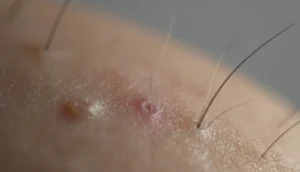
- Chronic scalp infections or dermatitis.
While telogen shedding often resolves on its own, conditions like alopecia or male pattern baldness usually require targeted therapy.
How to Identify Whether You’re Shedding or Losing
Distinguishing between normal shedding and progressive loss involves observing the pattern, timing, and accompanying symptoms.
Key Indicators of Shedding
- Sudden increase in daily hair fall (e.g., 100–200 hairs per day).
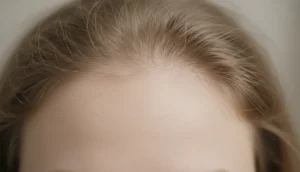
- Uniform thinning without distinct bald patches.
- History of recent stressor (illness, surgery, diet change).
- Hair regrowth begins within a few months.
Key Indicators of Hair Loss
- Gradual thinning at the temples, crown, or vertex.
- Visible bald spots or receding hairline.
- Family history of pattern baldness.
- Absence of regrowth despite months of observation.
Professional evaluation often includes a scalp examination, pull test, and possibly a trichogram to quantify the proportion of hairs in each growth phase. Early detection is vital for successful treatment, especially for conditions like androgenetic alopecia that respond best to early intervention.
Treatment Options for Each Condition
Once you know whether you are shedding or losing, you can choose the appropriate treatment pathway.
Managing Hair Shedding
- Address underlying stressors (adequate rest, stress‑management techniques).
- Optimize nutrition: iron, zinc, biotin, and protein intake.
- Topical minoxidil may accelerate regrowth if shedding persists.
- Gentle hair care: avoid harsh chemicals and tight hairstyles.
Addressing Permanent Hair Loss
- Medical therapies: finasteride (for men), spironolactone (for women), low‑level laser therapy.
- Injectable platelet‑rich plasma (PRP) to stimulate dormant follicles.
- Surgical restoration: Foliküler Ünite Ekstraksiyonu (FUE) ve Direct Hair Implantation (DHI) provide permanent, natural‑looking results.
- Eyebrow and beard transplants for localized hair loss.
At Gold City Hair, our experienced surgeons tailor each plan to the individual’s diagnosis, ensuring the most effective combination of medical and surgical options.
Preventive Measures and When to Seek Professional Help
Proactive care can reduce the risk of both shedding and loss.
- Maintain a balanced diet rich in vitamins A, C, D, E, and omega‑3 fatty acids.
- Manage stress through exercise, meditation, or counseling.
- Avoid excessive heat styling, tight ponytails, or harsh chemical treatments.
- Schedule regular dermatology check‑ups, especially if you notice a rapid change in hair density.
- Consult a hair restoration specialist promptly if you see patterned thinning, a receding hairline, or bald patches that persist beyond three months.
Early intervention not only improves outcomes but can also minimize the extent of surgical procedures needed later on.
Why Choose Gold City Hair for Your Hair Restoration
Gold City Hair has been delivering personalized hair restoration solutions in Turkey since 2017. Our clinic combines state‑of‑the‑art techniques such as FUE and DHI with a patient‑first approach, ensuring transparent communication at every step. Whether you need a subtle density increase or a full‑scale transplant, our board‑certified surgeons design a plan that matches your unique hair pattern and aesthetic goals, helping you regain confidence with natural‑looking results.
Ready to take control of your hair journey? Contact Gold City Hair today for a free, no‑obligation consultation and discover the most effective path to restore your hair and confidence.
SSS
What is the difference between hair shedding and hair loss?
Hair shedding is a temporary, reversible process linked to the normal hair cycle, while hair loss is a permanent reduction of active follicles often caused by genetics or disease.
How long does telogen effluvium usually last?
Telogen effluvium typically lasts from a few weeks up to six months, with most people seeing regrowth within three to six months after the trigger resolves.
What are common causes of permanent hair loss such as androgenetic alopecia?
Permanent hair loss is often driven by genetics, hormones (especially DHT), autoimmune attacks, scarring, and chronic scalp conditions.
How can I tell if I am experiencing shedding or actual hair loss?
Look at the pattern, timing, and regrowth: uniform daily shedding after a stressor suggests shedding, while patterned thinning, bald spots, and lack of regrowth indicate hair loss.
What treatment options are available for hair shedding?
Treat the underlying trigger, improve nutrition, use gentle hair care, and consider topical minoxidil if shedding persists.
What are the most effective treatments for permanent hair loss?
Effective options include FDA‑approved medications (finasteride, spironolactone), low‑level laser therapy, PRP injections, and surgical transplants like FUE or DHI.