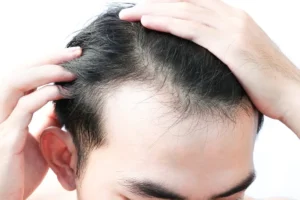
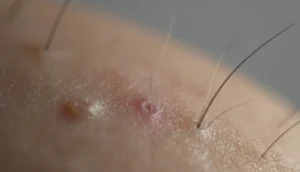
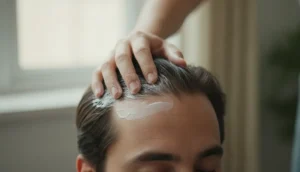
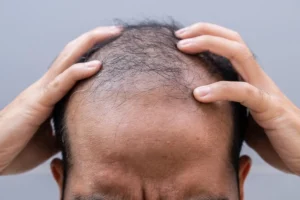
When you ask how do you prevent balding, the answer involves a combination of genetics, lifestyle, and targeted treatments. Understanding why hair loss occurs is the first step toward keeping your scalp dense and healthy. In fact, up to 40 % of men begin to notice thinning by age 30, and many women experience similar patterns later in life. This article explores the root causes of hair loss, practical daily habits, medical interventions, and when a hair transplant may be the most reliable solution.
We’ll break down the science behind hair loss, highlight nutrition and stress‑management strategies, and compare the effectiveness of over‑the‑counter and prescription options. Whether you’re dealing with androgenetic alopecia, alopecia areata, or general thinning, the information here equips you to make informed decisions and take proactive steps before noticeable balding sets in.
By the end of this guide, you’ll have a clear roadmap for answering the question “how do you prevent balding” and know exactly which actions can protect your hair for the long term.

Before you can effectively stop hair loss, it’s essential to identify the underlying triggers. Not all balding follows the same pattern, and each cause requires a tailored approach.
Genetic Factors and Androgenetic Alopecia
Androgenetic alopecia, commonly known as male or female pattern baldness, accounts for the majority of cases. This condition is driven by a genetic sensitivity to dihydrotestosterone (DHT), which shortens the hair growth cycle and leads to miniaturized follicles.
Hormonal Changes
Hormonal fluctuations—such as those occurring during pregnancy, menopause, or thyroid disorders—can also cause diffuse thinning. Conditions like polycystic ovary syndrome (PCOS) increase androgen levels, accelerating hair loss in women.
Other Contributing Factors
- Autoimmune reactions (e.g., alopecia areata)
- Traction alopecia from tight hairstyles
- Medication side effects (e.g., chemotherapy, anticoagulants)
- Environmental stressors and poor scalp health
| Cause | Typical Pattern | Primary Affected Group |
|---|---|---|
| Androgenetik Alopesi | Receding hairline, crown thinning | Men & women (genetic predisposition) |
| Alopesi Areata | Patchy bald spots | Both sexes, often sudden onset |
| Traction Alopecia | Hair loss along hairline | Individuals with tight braids or ponytails |
Lifestyle Adjustments That Reduce Hair Thinning
Daily habits have a measurable impact on the health of your hair follicles. While genetics set the stage, nutrition, stress management, and proper scalp care can significantly slow the progression of balding.
Nutrition and Supplements
Hair is primarily made of keratin, a protein that requires adequate vitamins and minerals to grow strong. Deficiencies in iron, zinc, vitamin D, and biotin are frequently linked to increased shedding.
- Iron‑rich foods: lean red meat, lentils, spinach
- Zinc sources: pumpkin seeds, oysters, chickpeas
- D Vitamini: sunlight exposure, fortified dairy, fatty fish
- Biotin supplements: 30–100 µg daily, especially for those with brittle hair
Stress Management
Chronic stress elevates cortisol levels, which can push hair follicles into the resting phase, leading to telogen effluvium. Incorporating relaxation techniques helps maintain a healthy growth cycle.
- Mindfulness meditation (10‑15 minutes daily)
- Regular aerobic exercise (30 minutes, 3‑5 times a week)
- Adequate sleep (7‑9 hours per night)
| Nutrient | Key Food Sources | Benefit for Hair |
|---|---|---|
| Iron | Red meat, lentils, spinach | Prevents iron‑deficiency anemia, reduces shedding |
| Zinc | Pumpkin seeds, oysters, chickpeas | Supports follicle repair and sebum regulation |
| D Vitamini | Sunlight, fortified milk, salmon | Stimulates hair follicle growth cycles |
Proven Medical and Cosmetic Interventions
When lifestyle changes alone are insufficient, medical treatments can directly target the biochemical pathways responsible for balding. Understanding the options helps you answer how do you prevent balding with clinically backed methods.
Topical Treatments
Minoxidil (2 % for women, 5 % for men) is an FDA‑approved vasodilator that prolongs the anagen phase, encouraging thicker strands. Consistent twice‑daily application yields visible results in 3‑6 months for many users.
Oral Medications
Finasteride, a 5‑alpha‑reductase inhibitor, reduces DHT production, slowing follicular miniaturization. It is most effective for men with early‑stage androgenetic alopecia and requires a prescription.
Low‑Level Laser Therapy (LLLT)
LLLT devices emit red‑light wavelengths that stimulate cellular metabolism in the scalp. Clinical studies show a 20‑30 % increase in hair density after regular use over 12 weeks.
| Treatment | Mechanism | Typical Onset of Results | Prescription Required? |
|---|---|---|---|
| Minoxidil | Vasodilation, anagen prolongation | 3‑6 months | No |
| Finasterid | DHT inhibition | 4‑12 months | Yes |
| LLLT | Cellular stimulation via red light | 12‑24 weeks | No |
Natural and Home Remedies: What Works and What Doesn’t
Many people explore natural options before turning to prescription drugs. While some remedies offer modest benefits, others lack scientific support.
Essential Oils and Scalp Massage
Rosemary and peppermint oils, when diluted with carrier oils, may improve circulation. Regular scalp massage (2‑3 minutes daily) can increase blood flow, though evidence for significant regrowth remains limited.
Herbal Supplements
Saw palmetto extracts are thought to act similarly to finasteride by inhibiting DHT. Clinical data are mixed, but some users report slowed shedding.
| Remedy | Evidence Level | Potential Benefits | Safety Concerns |
|---|---|---|---|
| Biberiye Yağı | Low‑to‑moderate | Improved scalp circulation | Skin irritation if undiluted |
| Saw Palmetto | Moderate | DHT inhibition | Possible hormonal effects |
| Biotin Supplements | Low | Keratin support | Generally safe, excess rare |
When to Consider Hair Transplantation
If you’ve tried lifestyle changes and medical treatments without satisfactory results, a hair transplant may be the most definitive answer to how do you prevent balding long‑term. Modern techniques restore natural‑looking density and are performed with minimal downtime.
FUE and DHI Techniques
Follicular Unit Extraction (FUE) removes individual grafts from a donor area, while Direct Hair Implantation (DHI) uses a specialized pen to place follicles directly into the scalp. Both methods yield high survival rates and allow for precise styling.
Ideal Candidates
- Stable pattern of hair loss (no rapid progression)
- Sufficient donor hair density in the occipital region
- Realistic expectations about coverage and results
- Good overall health, non‑smoker preferred
| Technique | Graft Extraction Method | Implantation Precision | Typical Recovery Time |
|---|---|---|---|
| FUE | Individual follicle punches | High (manual placement) | 7‑10 days |
| DHI | Automated pen‑loaded grafts | Very high (direct implantation) | 5‑7 days |
Why Choose Gold City Hair for Your Hair Restoration Journey
Gold City Hair combines cutting‑edge FUE and DHI technologies with a personalized, transparent approach. Since 2017, our Istanbul‑based clinic has helped thousands of men and women regain confidence through safe, effective hair restoration. Our team of experienced surgeons conducts thorough assessments, tailors treatment plans to each individual’s hair loss pattern, and ensures seamless post‑procedure care. Choosing Gold City Hair means entrusting your hair to a reputable center dedicated to delivering natural results and lasting satisfaction.
Ready to stop worrying about hair loss? Contact Gold City Hair today for a free, no‑obligation consultation and discover the best plan to keep your hair thriving.
Take the first step toward a fuller, healthier scalp—schedule your appointment now.
SSS
What are the main causes of hair loss?
Hair loss can be caused by genetics, hormonal changes, autoimmune conditions, traction, medications, and environmental stressors.
How can diet and supplements help prevent balding?
Adequate intake of iron, zinc, vitamin D, and biotin supports healthy hair growth and reduces shedding.
Which medical treatments are most effective for preventing hair loss?
Minoxidil, finasteride, and low‑level laser therapy are the most clinically proven options.
Are natural remedies like essential oils effective for preventing balding?
Essential oils may improve scalp circulation, but scientific evidence for significant regrowth is limited.
When should I consider a hair transplant for balding?
Consider a transplant after stable hair loss, sufficient donor density, realistic expectations, and good overall health.
How does low‑level laser therapy work for hair loss prevention?
LLLT uses red‑light wavelengths to stimulate cellular activity in hair follicles, promoting growth and density.