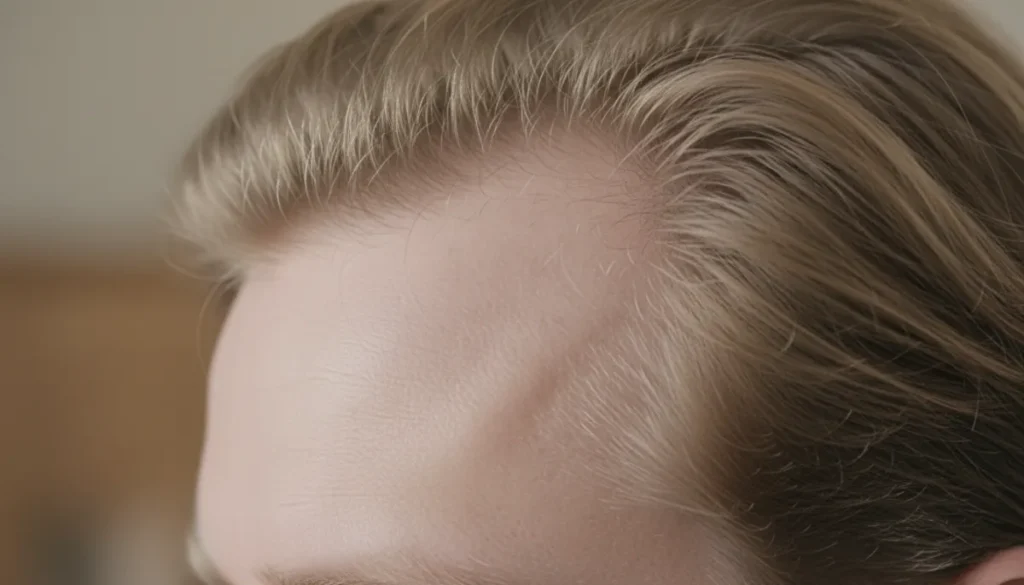
Many people notice hair loss at sides as the first visible sign of thinning, yet they often overlook its underlying causes. This article explains why the sides of the scalp are prone to balding, how professionals diagnose the problem, and which treatments deliver lasting results. According to recent studies, up to 30% of men experience noticeable side thinning before the crown is affected, making early intervention crucial for preserving natural density.
We’ll explore the most common types of alopecia that target the lateral hairline, the diagnostic tools clinicians use, and the full spectrum of medical and surgical options—including the advanced FUE and DHI techniques offered by Gold City Hair. Whether you’re dealing with a receding hairline, traction alopecia from tight hairstyles, or seasonal shedding, understanding the root cause empowers you to choose the right solution.
Finally, we’ll discuss practical lifestyle adjustments that can slow further loss, and outline the signs that indicate a hair transplant may be the most effective next step. Let’s dive into the science and the solutions that can restore confidence and a fuller silhouette.
Common Causes of Hair Loss at the Sides
The sides of the scalp are vulnerable to several distinct forms of hair thinning. Recognizing the specific cause is essential for selecting an effective treatment plan.
Androgenetik Alopesi
Androgenetic alopecia, often called male or female pattern baldness, frequently begins at the temples and progresses toward the crown. Hormonal factors, particularly dihydrotestosterone (DHT), shrink hair follicles, leading to miniaturization and eventual loss.
Traction Alopecia
Repeated tension from tight braids, ponytails, or helmets can cause traksiyon alopesi. Over time, the constant pull damages the follicle root, resulting in permanent loss if the stress is not relieved.
Telogen Effluvium
Stressful events, illness, or drastic dietary changes can trigger telogen effluvium, a temporary shedding phase where hair enters the resting (telogen) stage en masse. While usually reversible, it may accentuate side thinning.
- Genetic predisposition (androgenic factors)
- Mechanical stress (tight hairstyles)
- Physiological stress (illness, medication)
- Hormonal imbalances (thyroid, estrogen)
Below is a quick reference table summarizing these causes.
| Cause | Typical Pattern | Reversibility |
|---|---|---|
| Androgenetik Alopesi | Temple recession, M‑shaped hairline | Permanent without treatment |
| Traction Alopecia | Localized thinning along hairline | Reversible if stress removed early |
| Telogen Effluvium | Diffuse shedding, often accentuated at sides | Typically reversible within months |
Diagnosing Side Hair Thinning: What to Expect
Accurate diagnosis begins with a thorough clinical assessment. Dermatologists and hair restoration specialists use a combination of visual inspection, medical history, and specialized tests to pinpoint the exact cause of hair loss at sides.
Clinical Examination
During the initial visit, the practitioner evaluates the pattern of thinning, checks scalp health, and asks about lifestyle factors such as hair styling habits and recent stressors.
Trichoscopy
Trichoscopy, a dermatoscopic examination of the scalp, reveals follicular details that differentiate between androgenic miniaturization and inflammatory conditions like alopecia areata.
Laboratory Tests
Blood work may be ordered to assess hormone levels, iron stores, and thyroid function, all of which can influence hair growth.
- Visual scalp analysis
- Trichoscopic imaging
- Blood tests for hormonal and nutritional markers
- Patient questionnaire covering family history and styling practices
These steps help clinicians develop a personalized treatment roadmap, ensuring that each intervention targets the root cause rather than just the symptom.
Treatment Options for Side Hair Loss
Once the cause is identified, a range of therapeutic options becomes available. Treatments can be medical, surgical, or a combination of both, depending on severity and patient goals.
Medical Therapies
Topical minoxidil and oral finasteride remain first‑line medications for androgenetic alopecia. They work by prolonging the growth phase and reducing DHT activity, respectively.
Platelet‑Rich Plasma (PRP)
PRP injections deliver growth factors directly to the scalp, stimulating dormant follicles and improving density, especially in early‑stage side thinning.
Surgical Solutions
Foliküler Ünite Ekstraksiyonu (FUE) ve Direct Hair Implantation (DHI) are the most popular transplant techniques for restoring lateral hairline density. Both methods harvest individual follicles from a donor area—typically the back of the head—and implant them precisely where thinning occurs.
| Method | Invasiveness | Recovery Time | Ideal For |
|---|---|---|---|
| Minoxidil (Topical) | Low | Immediate (no downtime) | Early‑stage thinning |
| Finasteride (Oral) | Low | Immediate | Male pattern alopecia |
| PRP Therapy | Moderate | 1–2 days | Patients seeking non‑surgical boost |
| FUE Transplant | High | 7–10 days | Significant side thinning |
| DHI Transplant | High | 7–10 days | Precise density restoration |
Choosing the right approach involves evaluating the extent of loss, donor hair availability, and personal preferences regarding invasiveness and downtime.
Preventive Measures and Lifestyle Tips
While medical interventions are effective, many patients benefit from adopting habits that reduce further side thinning.
Gentle Styling
Avoid tight hairstyles that pull on the temples. Opt for looser braids, low ponytails, or free‑flowing styles to minimize traction.
Nutrition and Supplements
Ensure a balanced diet rich in iron, zinc, biotin, and omega‑3 fatty acids. Supplements can support follicle health, especially when dietary intake is insufficient.
Stress Management
Chronic stress elevates cortisol, which can exacerbate telogen effluvium. Incorporate relaxation techniques such as meditation, yoga, or regular exercise.
- Use gentle, sulfate‑free shampoos
- Limit heat styling and chemical treatments
- Protect the scalp from UV exposure with hats
- Maintain regular check‑ups with a hair specialist
Implementing these simple strategies can slow the progression of side hair loss and improve the outcomes of any subsequent treatments.
When to Consider a Hair Transplant
Deciding to undergo a transplant is a personal choice that depends on several factors. Generally, candidates for side hair restoration share the following characteristics:
- Stable pattern of loss for at least 12 months
- Adequate donor hair density in the back or sides
- Realistic expectations about results and recovery
- Desire for a permanent solution rather than ongoing medication
Patients who have tried medical therapies without satisfactory improvement, or those with pronounced temple recession, often achieve the most noticeable benefits from FUE or DHI procedures. A thorough consultation will assess suitability, outline the expected graft count, and provide a realistic timeline for visible growth.
Because each individual’s hair characteristics are unique, a customized plan ensures optimal coverage of the side areas while preserving natural hairline aesthetics.
Why Choose Gold City Hair
Gold City Hair combines cutting‑edge technology with a patient‑focused approach. Since 2017, the clinic has delivered successful FUE and DHI transplants, backed by a team of experienced surgeons and dedicated care staff. Transparent communication, personalized treatment plans, and a commitment to natural results set Gold City Hair apart as a trusted partner for anyone seeking lasting restoration of side hair loss.
Ready to restore confidence and reclaim your natural hairline? Contact Gold City Hair today to schedule a comprehensive consultation and discover the best solution for your side hair loss.
Take the first step toward a fuller, healthier look—your journey begins now.
SSS
What are the most common causes of hair loss at the sides?
The main causes are androgenetic alopecia, traction alopecia, and telogen effluvium.
How is side hair thinning diagnosed by specialists?
Diagnosis combines visual examination, trichoscopy, and targeted laboratory tests.
What medical treatments are effective for hair loss at the sides?
Topical minoxidil, oral finasteride, and PRP injections are the primary medical options.
How do FUE and DHI hair transplant techniques differ for side hair restoration?
Both harvest individual follicles, but DHI uses a patented implanter for more precise placement.
Can lifestyle changes help prevent further side hair loss?
Yes, gentle styling, proper nutrition, and stress management can slow progression.
When is a hair transplant the right option for side hair loss?
A transplant is suitable when loss is stable, donor hair is sufficient, and the patient seeks a permanent solution.





