Reaching the three‑month mark after a hair transplant is a pivotal moment for anyone on the restoration journey. By this time, most patients begin to see the first signs of permanent graft growth, while the scalp continues to heal from the initial procedure. Understanding the typical healing timeline, visible results, and necessary after‑care can boost confidence and help you make informed decisions for long‑term success.
According to clinical observations, roughly 70 % of transplanted follicles start producing visible hair between eight and twelve weeks post‑operation. This surge often coincides with the shedding of the transplanted hairs—a natural process known as “shock loss.” While seeing new hair can be exciting, it is equally important to recognize that the final outcome will continue to evolve over the next 12 to 18 months.
In this article we will walk you through the detailed recovery timeline, explain what the hair looks like at three months, provide essential scalp‑care guidelines, address common concerns, and outline steps to ensure lasting, natural‑looking results. Whether you are a first‑time patient or returning for a touch‑up, the information below will help you navigate the post‑operative phase with confidence.
The First Three Months: Healing Timeline and Milestones
The initial 90 days after a hair transplant are characterized by a series of predictable stages. Understanding each phase helps set realistic expectations and reduces anxiety.
Day 0–7: Immediate Post‑Operative Care
- Scalp may appear reddened and mildly swollen.
- Small crusts form around each graft, usually falling off within a week.
- Patients are advised to keep the head elevated and avoid strenuous activity.
Week 2–4: Early Healing Phase
During this period the majority of shock loss occurs. The transplanted hairs shed as the follicles settle into their new environment. This is a normal sign that the grafts are entering the growth cycle.
Week 5–8: Transition to Growth
New hair shafts begin to emerge from the follicles. The hair is typically fine and pale, often described as “peach fuzz.” At this stage, patients may notice a subtle increase in density, especially in the frontal and crown areas.
Week 9–12: Visible Growth
By the end of the third month, most patients see noticeable hair growth. The hair continues to thicken and darken over the following weeks. This is when many individuals experience a boost in self‑esteem and start planning their long‑term styling options.
| Week | Typical Observation | Recommended Action |
|---|---|---|
| 1–2 | Redness, crust formation | Gentle washing with prescribed shampoo |
| 3–4 | Shock loss begins | Avoid tight headwear, continue gentle care |
| 5–8 | Fine new hairs appear | Protect scalp from direct sun |
| 9–12 | Visible hair growth | Begin light styling, maintain nutrition |
Visible Growth and Results at the Three‑Month Mark
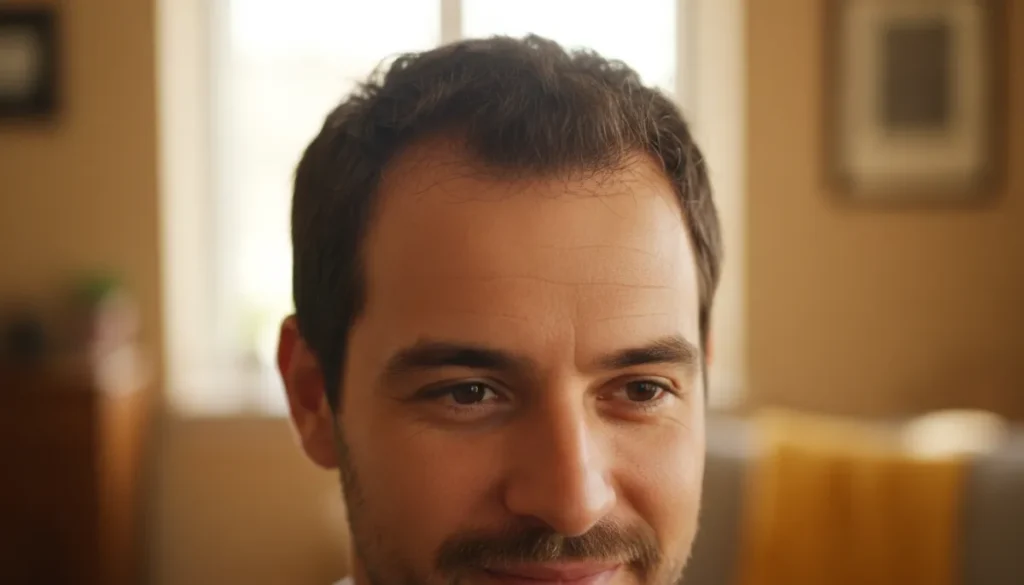
At three months, the visual transformation becomes more apparent. While the hair may still be in a delicate stage, you can assess the trajectory of your restoration.
Assessing Density and Coverage
Patients often compare their current density to pre‑procedure photographs. It is normal for the crown area to show earlier growth than the frontal hairline, as donor hair characteristics differ across zones. The hair may appear slightly thinner than the surrounding native hair, but this disparity typically diminishes as the grafts mature.
Color and Texture Evolution
Initially, the new strands may be lighter and finer. Over the next few months, melanin production increases, darkening the hair to match your natural shade. The texture also changes from soft “vellus” hair to the coarser “terminal” hair typical of adult scalp hair.
Photographic Documentation
Documenting progress with standardized photos (same lighting, angle, and distance) helps both you and your surgeon evaluate results objectively. This practice is especially useful when planning any future touch‑ups.
- Take photos in natural daylight.
- Use a neutral background.
- Capture front, top, and side views.
Understanding the hair transplant results at three months also prepares you for the next phase, where the hair continues to thicken and fill in naturally over the following 6 to 12 months.
Essential Scalp Care for the Three‑Month Phase
Proper after‑care continues to play a crucial role in the success of the grafts during the three‑month window. A balanced regimen supports healing, minimizes complications, and promotes robust hair growth.
Gentle Cleansing Routine
Use a mild, sulfate‑free shampoo recommended by your clinic. Wash the scalp with lukewarm water, avoiding vigorous rubbing. Pat the area dry with a soft towel rather than rubbing.
Nutrition and Supplements
Hair follicles thrive on a diet rich in protein, iron, zinc, and biotin. Consider incorporating the following foods:
- Lean meats and legumes for protein.
- Spinach and lentils for iron.
- Eggs and nuts for zinc and biotin.
Some patients also benefit from a daily multivitamin formulated for hair health, but always consult your surgeon before adding supplements.
Protecting the Scalp from External Factors
Sun exposure can damage the healing scalp. Wear a loose‑fitting hat or apply a sunscreen formulated for the scalp when outdoors for extended periods. Avoid swimming pools treated with chlorine until the surgeon gives clearance.
Medication Adherence
Many clinics prescribe finasteride or minoxidil to support graft survival. Consistency is key; missing doses can slow progress. Keep a medication log to track usage.
| Care Aspect | Do | Avoid |
|---|---|---|
| Washing | Use mild shampoo, gentle pat‑dry | Hot water, vigorous scrubbing |
| Sun Exposure | Wear hat, use scalp sunscreen | Direct midday sun without protection |
| Physical Activity | Light exercise after week 2 | Heavy lifting, contact sports |
| Medication | Take daily as prescribed | Skipping doses |
Common Concerns and Questions Three Months Post‑Transplant
It is natural to have questions once you reach the three‑month milestone. Below are the most frequently raised topics, clarified with evidence‑based answers.
“Is it normal for some grafts to look thin?”
Yes. Early hair is often fine and may appear sparse. As the follicles mature, the shafts become thicker, matching the surrounding native hair within 6‑12 months.
“Why am I still shedding some hair?”
Shedding at three months is typically residual “shock loss.” The body is still discarding the transplanted hairs that were in the telogen (resting) phase at the time of surgery. This is a sign of the follicles resetting to a new growth cycle.
“Can I style my hair now?”
Light styling is acceptable, but avoid tight clips, excessive heat, or chemical treatments. Give the grafts time to anchor securely before using strong styling products.
“What if I see uneven growth?”
Minor irregularities are common and often smooth out as the hair continues to grow. If significant asymmetry persists after six months, discuss corrective options with your surgeon.
Understanding the hair transplant healing time helps you stay patient and proactive. Most concerns resolve naturally as the grafts enter the stable growth phase.
Planning for Long‑Term Success Beyond the Three‑Month Mark
The journey does not end at three months. Strategic planning ensures that the early gains translate into a lasting, natural appearance.
Follow‑Up Appointments
Schedule a post‑operative check‑up at six months to evaluate graft survival and discuss any needed touch‑ups. Regular monitoring helps catch issues early, such as graft loss or unexpected thinning.
Future Touch‑Ups and Enhancements
Some patients opt for a secondary session to increase density in specific zones. The ideal window for a touch‑up is typically 12‑18 months after the primary transplant, when the initial results have fully matured.
Lifestyle Adjustments for Sustained Hair Health
- Maintain a balanced diet rich in vitamins and minerals.
- Manage stress through exercise, meditation, or hobbies.
- Avoid smoking, which can impair blood flow to the scalp.
- Continue prescribed medications, if any, for ongoing support.
Long‑Term Expectations
Most transplanted hair becomes permanent after 12‑18 months. By the two‑year mark, the majority of patients report stable density and confidence in their appearance. Patience during the early months, especially at the three‑month checkpoint, sets the foundation for this success.
Why Choose Gold City Hair
At Gold City Saç, we combine advanced FUE and DHI techniques with a personalized, transparent approach. Since 2017, our experienced team in Turkey has helped thousands of patients restore confidence through natural‑looking results. We prioritize patient comfort, provide detailed after‑care guidance, and ensure every step—from consultation to final follow‑up—is tailored to your unique needs.
Ready to see the transformation for yourself? Contact Gold City Hair today to schedule a free, no‑obligation consultation and take the first step toward a fuller, more confident you.
SSS
Is it normal for some grafts to look thin?
Yes, early hair strands are fine and may appear sparse, but they thicken as follicles mature.
Why am I still shedding some hair?
Shedding at three months is usually residual shock loss as transplanted hairs reset their growth cycle.
Can I style my hair now?
Light styling is allowed, but avoid tight clips, excessive heat, and harsh chemicals.
What should I expect during the first three months after a hair transplant?
You will go through immediate post‑op care, shock loss, emergence of fine new hairs, and visible growth by week 9‑12.
How should I care for my scalp at three months post‑transplant?
Use a mild sulfate‑free shampoo, protect from sun, maintain nutrition, and continue prescribed medications.
When is the right time for a touch‑up or additional hair transplant session?
Typically 12‑18 months after the primary transplant, once the initial results have fully matured.