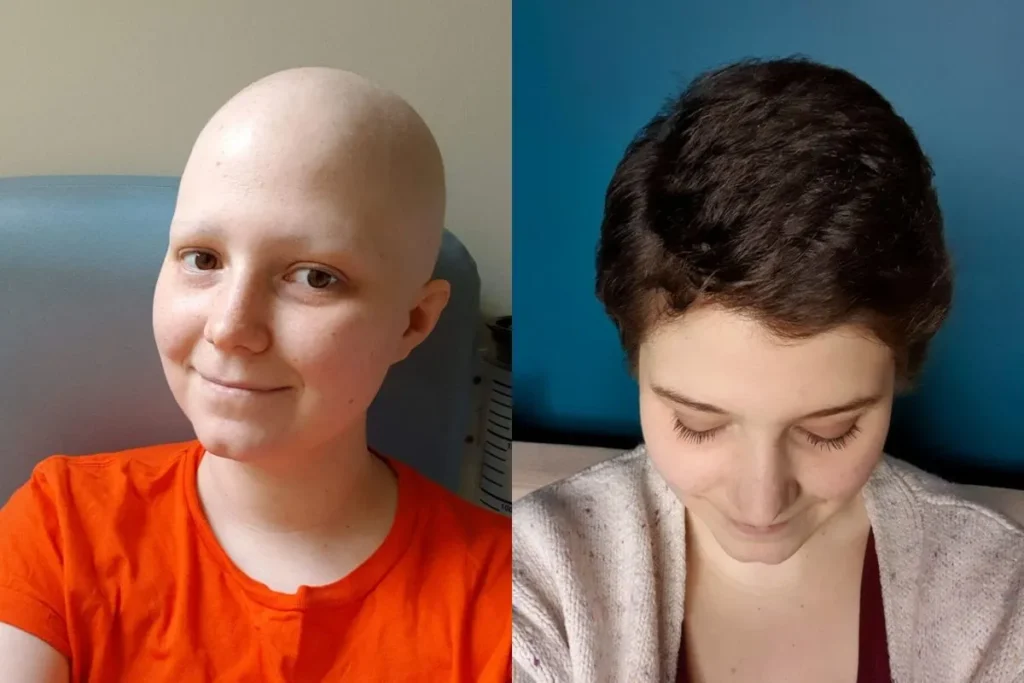
Many wonder if and when after chemotherapy hair grow back, and the answer varies by individual. Understanding the process helps patients set realistic expectations and plan supportive care during recovery. While chemotherapy targets rapidly dividing cancer cells, it also affects hair follicles, leading to temporary loss. Most patients see the first signs of regrowth within weeks to months, but the exact timeline depends on treatment type, dosage, and personal health factors.
In this article we explore the typical stages of hair regrowth, the key factors that influence the speed and quality of new growth, and practical strategies to nurture healthier hair after treatment. We’ll also discuss when it might be appropriate to consider professional hair restoration solutions, such as those offered by Gold City Hair.
Whether you’re navigating the uncertainty of hair loss or preparing for the next phase of recovery, the information below provides a clear roadmap to help you regain confidence and manage expectations effectively.
Typical Timeline for Hair Regrowth After Chemotherapy
Hair follicles enter a resting phase during chemotherapy, and the timing of regrowth follows a generally predictable pattern. Most patients notice the first fine, often lighter-colored hairs—sometimes called “baby hairs”—emerging between three to six weeks after the final treatment session. Full coverage usually takes longer, with many experiencing noticeable density by three to six months. However, some individuals report continued improvement up to a year post‑therapy.
Below is a concise timeline illustrating common milestones:
| Time After Treatment | Typical Hair Change |
|---|---|
| 1–2 weeks | Scalp may feel tingling; no visible growth. |
| 3–6 weeks | Appearance of fine, often lighter “baby hairs”. |
| 2–3 months | Hair becomes thicker; texture may differ from original. |
| 4–6 months | Significant coverage; many report near‑normal density. |
| 6–12 months | Continued thickening; final texture and color stabilize. |
It’s important to note that “how long does it take for hair to grow back” can differ based on the chemotherapy regimen. For instance, agents that target rapidly dividing cells, such as taxanes, often cause a more pronounced shedding phase, while others may result in a milder loss.
Patients who experience delayed regrowth should consult their oncologist to rule out underlying issues, such as hormonal imbalances or nutritional deficiencies, which can also affect the hair cycle.
Factors Influencing Hair Recovery Post‑Chemotherapy
Several variables determine whether after chemotherapy hair grow back quickly and how the new hair will look. Understanding these factors can help patients manage expectations and adopt supportive measures.
Type and Dosage of Chemotherapy
High‑dose regimens and drugs that target fast‑dividing cells (e.g., cyclophosphamide, doxorubicin) tend to cause more extensive follicular damage. Conversely, targeted therapies may spare hair follicles, resulting in a milder loss.
Individual Biological Differences
- Age: Younger patients often experience faster regrowth due to more resilient follicles.
- Genetics: Family history of hair characteristics can influence texture and color of regrown hair.
- Hormonal Balance: Thyroid disorders or hormonal fluctuations can slow the process.
Nutritional Status and Lifestyle
Adequate protein, iron, zinc, and vitamins (especially B‑complex and vitamin D) are essential for keratin production. Poor nutrition may prolong the shedding phase.
Regular gentle scalp massage can increase blood flow, while avoiding harsh chemicals or excessive heat protects fragile new strands.
Below is a quick reference of modifiable factors and suggested actions:
| Factor | Impact on Regrowth | Suggested Action |
|---|---|---|
| Protein Intake | Supports keratin synthesis | Include lean meats, legumes, nuts daily. |
| Stress Levels | High stress can delay growth | Practice mindfulness, yoga, or light exercise. |
| Scalp Care | Gentle care reduces breakage | Use sulfate‑free shampoo, avoid tight hairstyles. |
| Medical Conditions | Thyroid or anemia can impede growth | Regular blood work, treat deficiencies. |
Addressing these areas not only aids hair regrowth but also contributes to overall recovery and well‑being.
Tips to Support Hair Growth After Treatment
While the body does most of the work, patients can adopt evidence‑based practices to encourage healthy hair after chemotherapy. Below are practical, low‑risk strategies.
Nutrition and Supplements
- Consume a balanced diet rich in lean protein, leafy greens, and whole grains.
- Consider supplements such as biotin, zinc, and omega‑3 fatty acids after consulting a healthcare professional.
- Stay hydrated; water aids cellular function and follicle health.
Scalp Stimulation
Gentle massage with fingertips or a soft brush for 5‑10 minutes daily can improve circulation. Some patients also benefit from low‑level laser therapy (LLLT), which has shown modest results in stimulating follicular activity.
Avoiding Damage
- Skip heat styling tools for at least the first three months.
- Choose loose hairstyles to reduce tension on emerging strands.
- Use mild, sulfate‑free shampoos and conditioners that contain moisturizing agents.
Mind‑Body Connection
Stress reduction techniques—such as meditation, breathing exercises, or light aerobic activity—can positively affect hormonal balance, indirectly supporting hair growth.
Finally, keep a simple hair‑growth journal to track progress, note any changes in texture, and record what interventions seem most beneficial. This personal data can be valuable when discussing concerns with your oncologist or dermatologist.
When to Consider Medical Hair Restoration Options
For a minority of patients, hair may regrow slowly, remain thin, or fail to return to its pre‑treatment density. In such cases, exploring professional hair restoration can be a viable next step.
Assessing Suitability
Before pursuing procedures, ensure that the cancer is in remission and that any ongoing treatments (e.g., hormonal therapy) will not interfere with results. A thorough evaluation by a dermatologist or hair restoration specialist is essential.
Available Techniques
- FUE (Follicular Unit Extraction): Individual follicles are harvested from a donor area and implanted into thinning zones.
- DHI (Direct Hair Implantation): Similar to FUE but uses a specialized pen for precise placement.
- Scalp Micropigmentation: Cosmetic tattooing that simulates the appearance of hair density.
Gold City Hair, with its expertise in FUE and DHI, offers personalized treatment plans that consider the unique scalp condition of post‑chemotherapy patients. Their transparent communication and focus on natural‑looking results make them a trusted choice for those seeking lasting confidence.
When deciding, weigh factors such as cost, recovery time, and the expected density outcome. A consultation can provide a realistic preview of what to expect.
Common Myths About Hair Regrowth After Chemotherapy
Misconceptions can cause unnecessary anxiety. Below we debunk several prevalent myths.
Myth 1: Hair Will Never Grow Back
While rare, permanent alopecia can occur, especially with high‑dose radiation to the scalp. Most patients, however, experience at least partial regrowth within a year.
Myth 2: Shaving the Head Speeds Up Regrowth
Scalp shaving does not influence follicular activity. It may improve comfort during treatment but has no impact on the biological timeline.
Myth 3: Using Strong Hair Products Restores Hair Faster
Harsh chemicals can damage delicate new hairs. Gentle, nourishing products are preferable.
Myth 4: All Hair Grows Back the Same Color and Texture
It’s common for regrown hair to appear curlier, straighter, or lighter in color. These changes are temporary for many and often normalize over time.
Understanding the truth behind these myths helps patients focus on realistic, supportive actions rather than futile attempts to “force” faster growth.
Why Choose Gold City Hair
Gold City Hair combines cutting‑edge FUE and DHI techniques with a patient‑centered approach. Since 2017, the clinic has helped countless individuals restore confidence through natural‑looking hair restoration. Their team prioritizes transparent communication, personalized treatment plans, and meticulous after‑care, ensuring each patient feels supported throughout the journey.
For those whose hair does not fully recover after chemotherapy, Gold City Hair offers expert evaluation and tailored solutions that respect the unique challenges of post‑cancer recovery.
Ready to explore your hair restoration options? Contact Gold City Hair today to schedule a confidential consultation and take the first step toward renewed confidence.
SSS
How long does it take for hair to grow back after chemotherapy?
Most patients see fine “baby hairs” within 3‑6 weeks and noticeable density by 3‑6 months, with full coverage often taking up to a year.
What factors influence hair regrowth after chemotherapy?
Key factors include the type and dose of chemotherapy, age, genetics, hormonal balance, nutrition, stress levels, and scalp care practices.
What can I do to support hair growth after chemo?
Maintain a balanced, protein‑rich diet, stay hydrated, use gentle scalp care, massage the scalp daily, and consider low‑level laser therapy if approved.
When should I consider medical hair restoration after chemotherapy?
If hair remains thin or fails to regrow to pre‑treatment density after about 12 months, and the cancer is in remission, consult a specialist about options like FUE, DHI, or scalp micropigmentation.
What are common myths about hair regrowth after chemotherapy?
Myths include that hair will never grow back, shaving speeds regrowth, strong products help, and that new hair always matches the original color and texture.





