If you are searching for alopecia areata hair regrowth solutions, you are not alone. Millions worldwide face sudden patchy hair loss, and the desire to restore a full, healthy mane drives many to explore medical, cosmetic, and lifestyle approaches. This article outlines the most reliable strategies, explains how modern hair transplant methods fit into the picture, and highlights practical steps you can take today.
Recent studies show that up to 2% of the population experiences at least one episode of alopecia areata in their lifetime, making it one of the most common autoimmune hair disorders. While the condition often resolves spontaneously, many patients seek proactive interventions to accelerate hair regrowth and prevent future episodes.
We will cover the underlying causes, review FDA‑approved medications, discuss the role of follicular unit extraction (FUE) and direct hair implantation (DHI) in patchy loss, and provide evidence‑based lifestyle tips. By the end, you’ll have a clear roadmap for choosing the right path toward fuller, stronger hair.
Understanding Alopecia Areata and Its Impact on Hair Growth
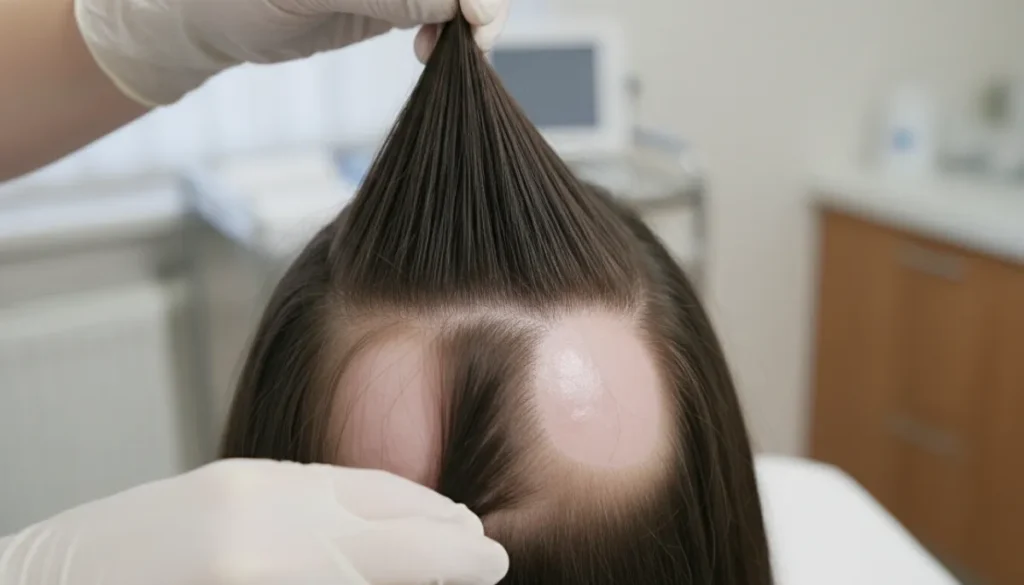
Alopecia areata is an autoimmune condition where the immune system mistakenly attacks hair follicles, leading to sudden, round patches of hair loss. The severity can range from a single spot to complete scalp involvement (alopecia totalis) or even total body hair loss (alopecia universalis). While the exact trigger remains unclear, genetics, stress, and environmental factors often play a role.
How the Immune Response Affects Follicles
During an active episode, inflammatory cells surround the hair bulb, disrupting the normal growth cycle. This forces follicles into a dormant phase, causing rapid shedding. Once the inflammation subsides, follicles can re‑enter the growth phase, which is why many people experience spontaneous regrowth after weeks or months.
Key Signs and Diagnosis
- Round, smooth bald patches with preserved skin texture.
- Exclamation‑mark hairs at the edge of lesions, indicating active loss.
- Positive “pull test” where hairs are easily removed.
Dermatologists confirm the diagnosis through clinical examination and, when needed, a scalp biopsy to rule out other causes of hair loss.
Medical Treatments and Therapies for Hair Regrowth
When spontaneous regrowth is insufficient, several medical options can stimulate the hair cycle and reduce inflammation. The choice depends on the extent of loss, patient age, and any underlying health conditions.
Topical and Injectable Options
- Corticosteroid creams or ointments – reduce local inflammation; applied directly to patches.
- Intralesional corticosteroid injections – deliver a higher concentration to the follicle base, often used for limited‑area disease.
- Topical immunotherapy (e.g., diphenylcyclopropenone) – triggers a mild allergic reaction that can divert the immune attack.
Systemic Medications
| Medication | Mechanism | Typical Use |
|---|---|---|
| Oral corticosteroids | Suppresses overall immune response | Severe or rapidly progressing cases |
| JAK inhibitors (e.g., tofacitinib, ruxolitinib) | Blocks Janus kinase pathway involved in autoimmune activity | Promising results for extensive alopecia areata |
| Anthralin | Alters immune signaling in the skin | Mild to moderate patches |
Recent clinical trials indicate that JAK inhibitors can achieve regrowth in up to 70% of patients with extensive disease, though long‑term safety data are still being gathered. Always consult a qualified dermatologist before starting systemic therapy.
Adjunctive Therapies
Low‑level laser therapy (LLLT) and platelet‑rich plasma (PRP) injections are non‑pharmacologic options that improve blood flow and deliver growth factors to dormant follicles. While evidence varies, many patients report modest improvements when combined with standard treatments.
Role of Hair Transplant Techniques in Alopecia Areata Cases
For patients with stable disease—meaning no active patches for at least 12 months—surgical hair restoration can offer a permanent solution. Modern techniques such as follicular unit extraction (FUE) and direct hair implantation (DHI) provide natural‑looking density and allow precise placement within scar‑free zones.
Assessing Suitability
- Stable disease for ≥12 months.
- Adequate donor area (typically the back or sides of the scalp).
- Realistic expectations about coverage and potential need for multiple sessions.
FUE vs. DHI: What’s the Difference?
| Technique | Procedure | Avantajlar | Ideal For |
|---|---|---|---|
| FUE | Individual follicles are extracted and later implanted. | Minimally invasive, low scarring. | Patients seeking flexibility in graft placement. |
| DHI | Follicles are loaded into a specialized pen and implanted immediately. | Higher graft survival, precise depth control. | Those wanting faster results and maximum density. |
Gold City Hair specializes in both FUE and DHI, employing a personalized plan that matches the pattern of your alopecia areata patches. Our team conducts a thorough assessment to ensure that transplantation will not trigger new autoimmune activity.
Lifestyle, Nutrition, and Topical Options for Supporting Regrowth
While medical and surgical interventions address the core immune response, everyday habits can influence the environment in which hair follicles grow. A balanced diet, stress management, and targeted topicals create a supportive backdrop for regrowth.
Nutrition Essentials
- Biotin – a B‑vitamin that supports keratin production; found in eggs, nuts, and legumes.
- Vitamin D – essential for immune regulation; sunlight exposure and fortified foods help maintain adequate levels.
- Iron and zinc – minerals linked to hair strength; red meat, spinach, and pumpkin seeds are good sources.
Clinical observations suggest that correcting deficiencies can improve the response to medical therapies, though supplements alone rarely reverse alopecia areata.
Topical Growth Products
Minoxidil (5% solution) is FDA‑approved for androgenic alopecia but is also used off‑label for alopecia areata to stimulate follicular activity. When combined with corticosteroid injections, studies have reported synergistic effects, leading to faster visible regrowth.
Stress Reduction Techniques
Psychological stress can exacerbate autoimmune flare‑ups. Incorporating mindfulness meditation, regular exercise, and adequate sleep (7‑9 hours) helps modulate the immune system and may reduce the frequency of new patches.
Frequently Overlooked Considerations and Myths About Alopecia Areata
Even well‑informed patients can fall prey to misconceptions that hinder effective treatment. Understanding the realities helps set realistic expectations and avoids unnecessary disappointment.
Myth 1: “Alopecia areata is permanent.”
While some cases progress to total hair loss, many individuals experience spontaneous regrowth within a year. Early intervention can improve outcomes, but the disease course varies widely.
Myth 2: “Hair dyes cause alopecia areata.”
There is no scientific evidence linking hair coloring to the onset of the condition. However, harsh chemicals can irritate an already inflamed scalp, so gentle, hypoallergenic products are recommended.
Myth 3: “Only men need hair transplants.”
Women with stable alopecia areata can also benefit from FUE or DHI, especially when thinning is localized. Female patients often achieve natural‑looking density with careful graft placement.
Key Takeaway
Combining medical therapy, lifestyle optimization, and, when appropriate, surgical restoration offers the most comprehensive pathway to alopecia areata hair regrowth. Consulting a specialist who understands the autoimmune nature of the disease ensures a tailored plan that maximizes results while minimizing risks.
Why Choose Gold City Hair
Gold City Hair has been delivering personalized hair restoration solutions in Turkey since 2017. Our clinic combines state‑of‑the‑art FUE and DHI techniques with a compassionate, transparent patient journey. Every treatment plan is customized to address the unique pattern of alopecia areata, ensuring optimal graft survival and natural‑looking results. With a dedicated team of experienced surgeons and a commitment to ethical care, we help you regain confidence through lasting hair regrowth.
Ready to start your hair regrowth journey? Contact Gold City Hair today to schedule a confidential consultation and discover the most effective solution for your alopecia areata.
Take the first step toward a fuller, healthier scalp—your confidence is just a call away.
SSS
What are the most effective medical treatments for alopecia areata hair regrowth?
Topical corticosteroids, intralesional steroid injections, topical immunotherapy, oral corticosteroids, and JAK inhibitors are the most commonly used medical options.
How do JAK inhibitors work for alopecia areata?
JAK inhibitors block the Janus kinase pathway, which is involved in the autoimmune response that attacks hair follicles.
When is a hair transplant suitable for alopecia areata patients?
A transplant is considered when the disease has been stable for at least 12 months with no active patches and sufficient donor hair.
What lifestyle changes can support hair regrowth in alopecia areata?
Balanced nutrition, stress management, adequate sleep, and gentle hair care can create a supportive environment for regrowth.
Are there common myths about alopecia areata that patients should know?
Yes, myths include that the condition is always permanent, that hair dyes cause it, and that only men need transplants.
Why choose Gold City Hair for hair transplant in Turkey?
Gold City Hair offers experienced surgeons, state‑of‑the‑art FUE and DHI techniques, and personalized care for stable alopecia areata cases.