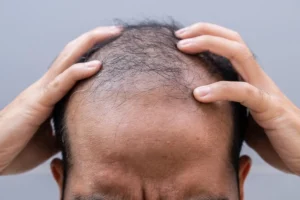
Experiencing 5 weeks post chemo hair growth can be both hopeful and confusing. After months of chemo hair loss, many patients wonder when the first signs of regrowth will appear and how to care for new strands. Understanding the typical timeline, the visual cues of early regrowth, and the factors that speed or slow the process empowers you to manage expectations and support your scalp health.
Statistics from oncology clinics show that approximately 60% of patients notice some hair regrowth within the first six weeks after completing treatment. However, the pattern varies widely depending on the chemotherapy regimen, individual biology, and post‑treatment care. This article walks you through what to expect at the five‑week mark, the science behind hair follicle recovery, practical tips to nurture new growth, and when professional hair restoration might be the right next step.
By the end of this guide, you’ll have a clear picture of the milestones ahead, actionable strategies to boost hair health, and confidence in making informed decisions about your appearance after cancer treatment.
Understanding the Timeline of Hair Regrowth After Chemotherapy
Hair follicles enter a dormant phase during chemotherapy, often leading to noticeable shedding. Once treatment ends, the follicles gradually reactivate, and the first visible signs typically emerge between four and eight weeks. This period, commonly referred to as the “early regrowth phase,” is when many patients report seeing fine, downy hairs, sometimes called “chemo curls.”
Key points in the timeline include:
- Weeks 1‑3: Scalp may feel itchy or tingly as follicles prepare for new growth.
- Weeks 4‑6: The first thin hairs appear, often lighter in color and softer than pre‑treatment hair.
- Weeks 7‑12: Hair begins to thicken, gaining more pigment and texture.
- Months 3‑6: Hair density improves, though full regrowth can take up to a year.
Research indicates that the speed of regrowth is linked to the type of chemotherapeutic agents used. For example, drugs that target rapidly dividing cells, such as taxanes, may cause a slightly longer latency before hair reappears compared to agents like cyclophosphamide.
| Chemotherapy Class | Typical Hair Regrowth Onset | Notes |
|---|---|---|
| Alkylating agents (e.g., cyclophosphamide) | 4‑5 weeks | Often earlier regrowth, but may be finer. |
| Antimetabolites (e.g., 5‑FU) | 5‑6 weeks | Gradual increase in thickness. |
| Taxanes (e.g., paclitaxel) | 6‑8 weeks | Potential for delayed onset. |
What 5 Weeks Post Chemo Hair Growth Looks Like
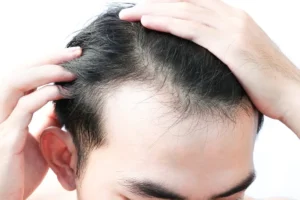
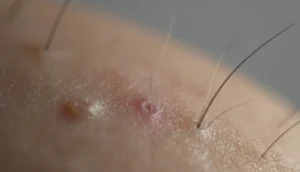
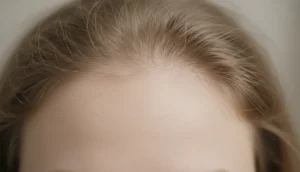
At the five‑week point, many patients describe their new hairs as “peach fuzz” – short, fine, and often lighter than their original shade. This early growth is a positive sign that the hair follicles have re‑entered the anagen (growth) phase. While the strands may seem fragile, they are the foundation for thicker hair that will develop in the coming months.
Typical visual cues include:
- Fine, downy hairs covering the scalp in a scattered pattern.
- New hairs may appear first on the sides and back before the crown.
- Color may be a lighter blond or grayish tone, especially if the original hair was dark.
- Texture is often softer, resembling the “chemo curls” many patients notice.
It’s important to differentiate between normal early regrowth and potential issues such as delayed regrowth, which can occur if the chemotherapy regimen was particularly intensive. If you notice no new hairs by the end of week six, discuss it with your oncologist, as it may signal a need for additional evaluation.
In addition to visual observation, patients often ask “how long does it take for hair to grow back” after chemotherapy. The answer varies, but most experience noticeable improvement within three to six months, with full thickness returning up to a year later.
Factors That Influence Hair Growth Speed After Chemotherapy
Several variables affect how quickly you will see hair return after treatment. Understanding these can help you set realistic expectations and adopt strategies that may accelerate regrowth.
Drug Type and Dosage – High‑dose regimens and certain drug classes, such as taxanes, tend to prolong the dormant phase of hair follicles.
Age and Overall Health – Younger patients generally experience faster regrowth because their follicles are more resilient. Good nutrition and a healthy immune system also play a role.
Genetic Factors – Some individuals have a natural propensity for rapid hair growth, while others may have slower cycles.
Radiation Therapy – If you received radiation to the head, the combined effect can delay regrowth, as radiation can damage the skin and underlying follicles.
Below is a checklist of modifiable factors you can address to support hair health:
- Maintain a balanced diet rich in protein, iron, zinc, and biotin.
- Stay hydrated; water aids cellular repair.
- Limit heat styling and harsh chemicals that can stress new hair.
- Consider gentle scalp massages to increase blood flow.
- Avoid tight hairstyles that pull on fragile new strands.
While you cannot change the chemotherapy drugs you received, focusing on the controllable lifestyle elements can improve the overall quality of regrowth. Many patients also explore natural supplements, but always discuss them with your medical team to avoid interactions.
Practical Tips to Support Hair Regrowth at the 5‑Week Mark
Supporting your scalp during the early regrowth phase is essential for maximizing hair density and minimizing breakage. Below are evidence‑based recommendations that align with dermatological guidelines.
Gentle Cleansing
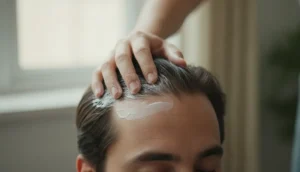
Use a mild, sulfate‑free shampoo designed for sensitive scalps. Wash with lukewarm water to avoid stripping natural oils. Limit washing to two or three times per week to reduce mechanical stress.
Conditioning and Moisture
Apply a lightweight conditioner to the ends of new hairs only; the scalp should remain breathable. Look for products containing panthenol, aloe vera, or hyaluronic acid, which provide hydration without weighing hair down.
Protective Styling
Opt for loose braids or soft headbands that keep hair from tangling. Avoid tight ponytails, clips, or hats that cause friction. Night‑time silk or satin pillowcases can reduce breakage caused by friction.
Nutrition and Supplements
Incorporate foods high in protein (lean meats, legumes, nuts) and vitamins A, C, D, and E. Some studies suggest biotin and zinc supplements may aid keratin production, but consult your oncologist before adding any new supplement.
Tıbbi Müdahaleler
If you experience prolonged delay, discuss options such as low‑level laser therapy (LLLT) or topical minoxidil with your dermatologist. These treatments have shown modest benefits in accelerating hair thickness after chemotherapy.
Below is a quick reference table for daily scalp care:
| Time of Day | Action | Product Type |
|---|---|---|
| Morning | Gentle cleanse | Mild sulfate‑free shampoo |
| Afternoon | Scalp massage (2‑3 min) | Light oil (e.g., jojoba) |
| Evening | Condition ends only | Lightweight conditioner |
When to Seek Professional Help for Hair Restoration
While most patients experience natural regrowth, a subset may face persistent thinning or patchy loss beyond the first year. If you notice any of the following, consider consulting a hair restoration specialist:
- No visible hair growth by 12 weeks post‑treatment.
- Significant scalp scarring or skin changes.
- Persistent alopecia affecting quality of life.
- Desire for faster, more dense restoration.
At Gold City Hair, we specialize in advanced hair restoration techniques such as Follicular Unit Extraction (FUE) and Direct Hair Implantation (DHI). These procedures can be performed safely after you have completed cancer treatment and received clearance from your oncologist.
Our team conducts a thorough evaluation, including scalp analysis, to determine the most suitable approach. For patients who have undergone radiation or extensive chemotherapy, we may recommend a combination of medical therapy and surgical transplantation to achieve optimal results.
Remember, seeking help does not diminish the natural regrowth journey; rather, it offers an additional pathway to regain confidence and a fuller appearance when natural hair does not fully return.
Why Choose Gold City Hair
Gold City Hair has been a trusted leader in hair restoration since 2017, offering personalized care and transparent communication. Our expertise in FUE, DHI, and eyebrow/beard transplants ensures that each client receives a tailored solution that matches their unique needs. With a focus on aesthetic excellence and patient confidence, we combine cutting‑edge technology with compassionate support throughout every step of your journey.
Ready to explore your hair restoration options? Contact Gold City Hair today to schedule a free consultation and take the first step toward a fuller, more confident you.
SSS
When can I expect to see hair regrowth after chemotherapy?
Most patients notice the first fine hairs between four and eight weeks after finishing treatment.
What does hair look like at five weeks post chemo?
At five weeks the new hair is typically fine, light‑colored “peach‑fuzz” that may appear first on the sides and back.
Which chemotherapy drugs tend to delay hair regrowth?
Taxanes such as paclitaxel often lead to a longer latency before hair reappears.
How can I support hair growth at the five‑week stage?
Use gentle scalp care, maintain a nutrient‑rich diet, avoid heat styling, and consider scalp massage.
When should I consider professional hair restoration after chemo?
If there is no visible growth by 12 weeks, significant scarring, or persistent alopecia, consult a specialist.
Are supplements like biotin effective for post‑chemo hair regrowth?
Biotin and zinc may help keratin production, but evidence is modest and you should discuss with your doctor.