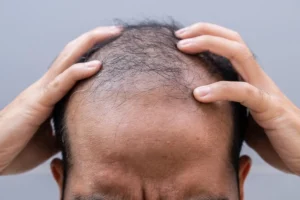
Finding a qualified dermatologist for female hair loss is the first step toward regaining confidence and a healthier scalp. Women experience hair thinning for many reasons, from hormonal shifts to genetic predisposition, and the right specialist can pinpoint the cause and recommend effective treatment. In fact, studies show that up to 40% of women notice noticeable hair shedding by age 40, yet many delay professional help.
This article explains what to expect when you consult a dermatologist, outlines the most common causes of female hair loss, and reviews both medical and lifestyle interventions that can halt or reverse thinning. Whether you are dealing with diffuse shedding, patchy bald spots, or a sudden increase in hair fall, understanding the underlying mechanisms empowers you to make informed decisions.
We will also explore how modern dermatology integrates cutting‑edge therapies—such as platelet‑rich plasma, low‑level laser, and targeted medications—with personalized care plans. By the end, you’ll know when to seek professional advice, what treatment options are available, and how to support your results at home.
Understanding Female Hair Loss: Causes and Types
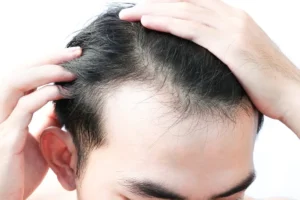
Hair loss in women is not a one‑size‑fits‑all condition. The most prevalent form, androgenetic alopecia, is genetically driven and often manifests as diffuse thinning over the crown. Other common causes include telogen effluvium, which follows stress or illness, and alopecia areata, an autoimmune condition that creates round bald patches.
Below is a concise overview of the main types and their typical triggers:
- Androgenetik Alopesi: Hormonal influence, family history, gradual thinning.
- Telogen Effluvium: Recent surgery, severe weight loss, high fever, chronic stress.
- Alopesi Areata: Autoimmune attack on hair follicles, sudden patchy loss.
- Scarring Alopecia: Inflammatory disorders that destroy follicle tissue.
- Traction Alopecia: Tight hairstyles causing mechanical stress.
Understanding these categories helps a dermatologist tailor a diagnostic plan. Laboratory tests may include thyroid panels, iron studies, and hormone levels, while a scalp examination assesses follicle health and pattern of loss.
When to See a Dermatologist: Signs and Diagnosis
Recognizing the warning signs early can dramatically improve treatment outcomes. While occasional shedding is normal, persistent thinning that alters your hairstyle or a visible widening part line warrants professional evaluation. A dermatologist for female hair loss will conduct a comprehensive assessment that includes medical history, visual inspection, and sometimes a scalp biopsy.
Key indicators that you should schedule a consultation include:
- Hair shedding more than 100 strands per day for several weeks.
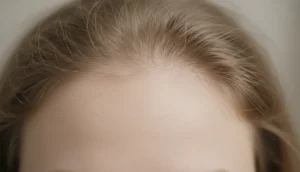
- Noticeable widening of the part or thinning at the crown.
- Sudden bald patches or circular bald spots.
- Accompanying symptoms such as itching, redness, or scaling.
- History of hormonal changes (pregnancy, menopause, thyroid issues).
During the appointment, the dermatologist may use a dermatoscope to magnify the scalp and assess follicle density. The following table summarizes common diagnostic tools and their purposes:
| Tool | Purpose | Typical Findings |
|---|---|---|
| Dermatoscopy | Visualize follicle health | Miniaturized hairs, perifollicular inflammation |
| Blood Tests | Identify systemic causes | Iron deficiency, thyroid imbalance, hormonal levels |
| Scalp Biopsy | Confirm scarring vs. non‑scarring alopecia | Fibrosis, inflammatory infiltrates |
Accurate diagnosis sets the stage for a targeted treatment plan that addresses the root cause rather than merely the symptoms.
Treatment Options Offered by Dermatologists
Once a diagnosis is confirmed, a dermatologist can recommend a range of evidence‑based therapies. Treatment selection depends on the type of hair loss, severity, and the patient’s preferences. Below are the most frequently prescribed options for women.
Topical and Oral Medications
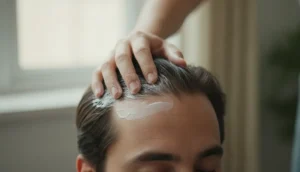
Minoxidil 2% or 5% solution remains the only FDA‑approved topical agent for female pattern hair loss. Oral medications such as spironolactone, which blocks androgen receptors, are often used for hormonal‑related thinning. In select cases, low‑dose oral finasteride may be considered, though it is off‑label for women.
Procedural Interventions
Procedures performed by dermatologists include platelet‑rich plasma (PRP) injections, which deliver growth factors directly to the follicle, and low‑level laser therapy (LLLT) that stimulates cellular activity. For scarring alopecia, corticosteroid injections can reduce inflammation and promote regrowth.
Here is a quick comparison of the most common treatments:
| Treatment | Mechanism | Typical Duration | Success Rate* |
|---|---|---|---|
| Minoxidil | Vasodilation & follicle stimulation | 4–6 months | 30‑45% |
| Spironolactone | Anti‑androgen | 3–6 months | 20‑35% |
| PRP Therapy | Growth factor infusion | 3 sessions, 1‑month apart | 40‑60% |
| LLLT | Photobiomodulation | 12‑24 weeks | 25‑40% |
*Success rates vary based on individual response and adherence to treatment.
Combination therapy—using minoxidil with PRP, for example—often yields better outcomes, especially when tailored by a skilled dermatologist.
Lifestyle and Home Care Strategies to Support Hair Health
Medical interventions work best when complemented by healthy habits. Nutrition, stress management, and gentle hair care practices can reinforce the results achieved by a dermatologist.
Key lifestyle recommendations include:
- Balanced Diet: Incorporate iron‑rich foods (spinach, lentils), omega‑3 fatty acids (salmon, walnuts), and biotin‑rich eggs to nourish follicles.
- Avoid Harsh Styling: Limit heat tools, tight ponytails, and chemical relaxers that cause traction alopecia.
- Stress Reduction: Practice mindfulness, yoga, or regular exercise to lower cortisol, which can exacerbate telogen effluvium.
- Scalp Hygiene: Use mild, sulfate‑free shampoos and avoid excessive washing that strips natural oils.
- Takviyeler: Consider a doctor‑approved multivitamin with zinc, vitamin D, and collagen peptides.
Tracking progress with monthly photos can help you and your dermatologist adjust the plan as needed. Remember, consistency is crucial; visible improvement often takes 3‑6 months of combined effort.
Frequently Overlooked Myths About Female Hair Loss
Misinformation can delay proper care. Below are common myths debunked by dermatological science.
| Myth | Reality |
|---|---|
| “Only men lose hair.” | Up to 40% of women experience noticeable thinning by age 40. |
| “Washing hair daily causes loss.” | Regular cleansing removes excess sebum and does not cause follicle damage. |
| “Hair loss is irreversible.” | Early intervention with a dermatologist can halt progression and stimulate regrowth. |
| “Supplements alone cure baldness.” | Supplements support health but must be combined with medical treatment for significant results. |
By separating fact from fiction, you can approach treatment with realistic expectations and avoid costly, ineffective products.
Why Choose Gold City Hair
Gold City Hair combines the expertise of seasoned dermatologists with state‑of‑the‑art hair restoration techniques such as FUE, DHI, and eyebrow/beard transplants. Since 2017, we have delivered personalized treatment plans that prioritize transparent communication and measurable results. Our Istanbul clinic offers a comfortable environment, modern facilities, and a dedicated team focused on restoring your confidence through healthy, natural‑looking hair.
Ready to take the first step toward fuller, healthier hair? Contact Gold City Hair today to schedule a comprehensive consultation with our specialist team. Experience a tailored approach that blends medical expertise with cutting‑edge restoration technology.
SSS
What are the most common causes of female hair loss?
The main causes include androgenetic alopecia, telogen effluvium, alopecia areata, scarring alopecia, and traction alopecia.
When should a woman see a dermatologist for hair loss?
If shedding exceeds 100 strands daily, the part widens, bald patches appear, or there are accompanying scalp symptoms, a dermatologist should be consulted.
What diagnostic tools do dermatologists use for hair loss?
Dermatoscopy, blood tests, and scalp biopsies are the primary diagnostic tools.
What treatment options are available for female hair loss?
Options include topical minoxidil, oral spironolactone or finasteride, PRP injections, low‑level laser therapy, and lifestyle changes.
How effective are PRP and low‑level laser therapy for women?
Clinical studies show PRP success rates of 40‑60% and LLLT success rates of 25‑40% when used consistently.
Can lifestyle changes improve hair loss outcomes?
Yes, balanced nutrition, stress management, gentle hair care, and proper scalp hygiene support medical treatments and can boost results.
What are common myths about female hair loss?
Myths include that only men lose hair, daily washing causes loss, hair loss is irreversible, and supplements alone cure baldness.