When you notice more strands on your pillow or in the shower, the first step toward a lasting solution often begins with hair loss lab work. These diagnostic tests reveal the underlying causes of thinning, from hormonal imbalances to nutrient deficiencies, allowing clinicians to craft a targeted hair loss treatment plan. In fact, studies show that up to 60% of hair‑related concerns can be traced to identifiable medical factors, making laboratory analysis a critical component of effective care.
In this article we will explore the most common laboratory assessments used by hair restoration specialists, explain what each test measures, and show how the results translate into personalized therapies. Whether you are dealing with early‑stage thinning, a receding hairline, or extensive baldness, understanding the science behind the tests empowers you to make informed decisions and set realistic expectations for recovery.
We’ll also discuss how these lab results integrate with advanced procedures such as FUE and DHI transplants offered at Gold City Hair, ensuring that surgical and medical approaches work hand‑in‑hand for optimal outcomes.
Essential Blood Tests for Hair Loss Diagnosis
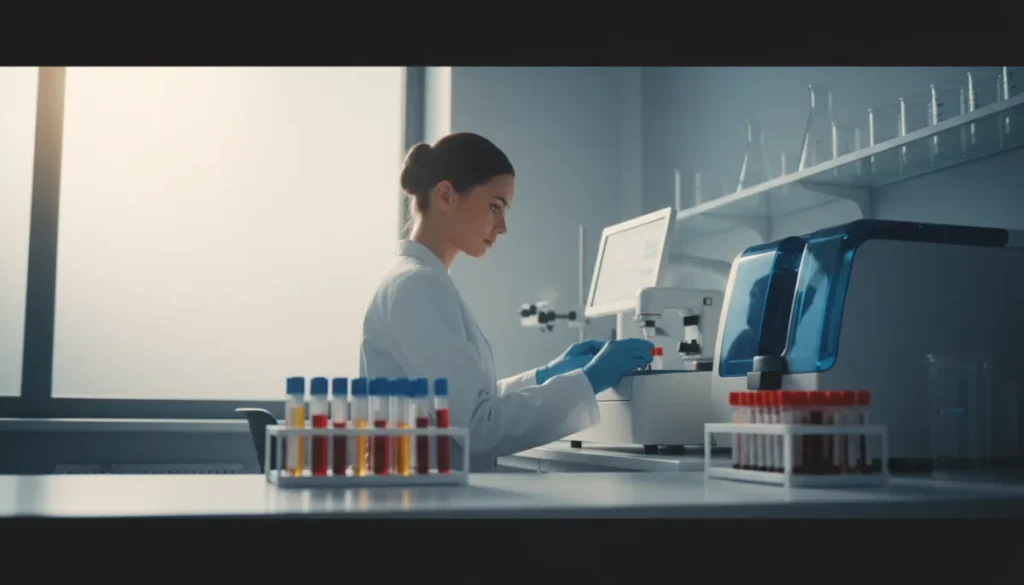
Blood work is often the first line of investigation because it can uncover systemic issues that directly affect hair growth cycles. Below is a list of the most frequently ordered tests and the information they provide:
- Complete Blood Count (CBC) – Detects anemia, infections, and overall health status.
- Ferritin and Serum Iron – Evaluates iron stores; low ferritin is a common cause of hair thinning.
- Vitamin D Levels – Deficiency has been linked to follicular miniaturization.
- Thyroid Panel (TSH, Free T3/T4) – Identifies hypothyroidism or hyperthyroidism, both of which can trigger hair loss.
- Sex Hormone Panel (Testosterone, DHT, Estradiol) – Determines androgenic activity that may require finasteride for hair loss or other hormonal therapies.
These tests are inexpensive, minimally invasive, and provide a comprehensive snapshot of the body’s internal environment. By pinpointing deficiencies or hormonal spikes, clinicians can prescribe targeted supplements, adjust medication, or recommend lifestyle changes before considering surgical options.
Scalp Biopsy and Microscopic Analysis
When blood tests do not fully explain the pattern of hair loss, a scalp biopsy can provide direct insight into follicle health. The procedure involves removing a small 4‑mm punch of scalp tissue, which is then examined under a microscope to assess the following:
| Parameter | What It Shows |
|---|---|
| Follicular Density | Number of active versus miniaturized follicles per square centimeter. |
| Inflammatory Infiltrate | Presence of immune cells indicating alopecia areata or scarring alopecia. |
| Hair Cycle Phase | Ratio of anagen (growth) to telogen (resting) hairs. |
Results from a scalp biopsy are especially valuable for diagnosing conditions that may benefit from baldness therapy or specific hair transplant strategies. For example, a high proportion of miniaturized follicles suggests androgenetic alopecia, where surgical grafting combined with medical therapy yields the best outcomes.
Hormonal Evaluation: DHT, Thyroid, and Beyond
Hormones play a pivotal role in the hair growth cycle. Elevated dihydrotestosterone (DHT) is the primary driver of male‑pattern baldness, while thyroid disorders can cause diffuse shedding in both men and women. A comprehensive hormonal panel typically includes:
- DHT – Directly correlates with follicular miniaturization; high levels often lead to the prescription of finasteride for hair loss.
- Free Testosterone – Assesses overall androgenic activity.
- Estrogen and Progesterone (for women) – Imbalances may cause telogen effluvium.
- Thyroid Stimulating Hormone (TSH) – Detects hypothyroidism, a reversible cause of hair thinning.
- Cortisol – Chronic stress can elevate cortisol, contributing to shedding.
Understanding these hormonal dynamics is crucial for tailoring treatment. For women experiencing women hair fall treatment challenges, adjusting estrogen levels or addressing thyroid dysfunction can dramatically improve outcomes before any surgical intervention.
Nutrient Deficiencies and Supplement Testing
Deficiencies in key vitamins and minerals are a frequent yet often overlooked cause of hair thinning. Targeted testing can identify gaps that, when corrected, support natural regrowth and enhance the success of any hair regrowth plan. Commonly assessed nutrients include:
- Biotin (Vitamin B7) – Essential for keratin production.
- Zinc – Influences DNA synthesis in hair follicles.
- Iron – Low ferritin is linked to diffuse hair loss.
- Vitamin D – Modulates follicular cycling.
- Omega‑3 Fatty Acids – Reduce inflammation around the scalp.
When deficiencies are confirmed, clinicians may recommend best hair growth supplements or specific dietary adjustments. Pairing these supplements with proven hair growth products such as minoxidil can accelerate the transition from shedding to robust regrowth.
Interpreting Lab Results and Planning a Personalized Treatment
After completing the full suite of hair loss lab work, the next step is to synthesize the data into a coherent treatment roadmap. A typical plan may combine:
- Medical therapy (e.g., finasteride, minoxidil, hormone modulators) based on hormonal and blood test findings.
- Nutritional optimization through targeted supplements and diet changes identified by deficiency testing.
- Procedural interventions such as FUE or DHI hair transplant, scheduled once systemic factors are stabilized.
- Ongoing monitoring with periodic repeat labs to track progress and adjust the regimen.
By aligning laboratory insights with cutting‑edge surgical techniques, patients receive a personalized treatment that addresses the root cause rather than merely the symptom. This integrated approach maximizes graft survival, reduces the risk of future shedding, and delivers lasting confidence.
Why Choose Gold City Hair
Gold City Hair has been a trusted leader in hair restoration since 2017, offering state‑of‑the‑art FUE, DHI, and eyebrow/beard transplants in Turkey. Our team prioritizes transparent communication and tailors every plan to the individual’s lab results and aesthetic goals. With a focus on safety, precision, and patient satisfaction, we provide a comprehensive pathway from diagnosis through lasting restoration.
Ready to transform your hair journey? Contact Gold City Hair today for a personalized consultation and discover how advanced lab diagnostics combined with expert transplant techniques can restore your confidence.
SSS
What are the most common blood tests used to diagnose hair loss?
Typical blood work includes a CBC, ferritin/iron, vitamin D, thyroid panel, and a sex hormone panel (testosterone, DHT, estradiol).
How does a scalp biopsy help determine the cause of hair thinning?
A scalp biopsy provides a microscopic view of follicle density, inflammation, and hair cycle phases, revealing conditions like alopecia areata or androgenetic alopecia.
Which hormones are evaluated in a hormonal panel for hair loss?
Key hormones include DHT, free testosterone, estrogen, progesterone (for women), thyroid‑stimulating hormone (TSH), and cortisol.
What nutrient deficiencies can contribute to hair loss and how are they tested?
Common deficiencies include iron/ferritin, vitamin D, biotin, zinc, and omega‑3 fatty acids, identified through serum labs.
How are lab results integrated into a personalized hair loss treatment plan?
Results guide a combination of medical therapy, nutritional optimization, procedural interventions, and ongoing monitoring.
Why is lab work important before undergoing a hair transplant at Gold City Hair?
Lab work uncovers hidden medical issues that could affect graft survival and overall treatment success.





