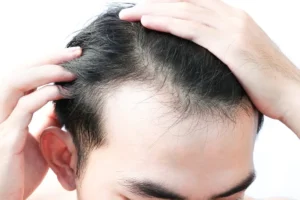
Understanding how much hair shedding is normal is the first step toward a healthier scalp and greater confidence. Most people notice a few strands on their pillow or in the shower each day, but the exact amount can vary widely based on age, genetics, lifestyle, and seasonal changes. In fact, studies show that the average person loses between 50 and 100 hairs daily—a range that is perfectly natural for healthy hair growth cycles.
This article breaks down the science behind everyday hair loss, explains why shedding can increase under certain conditions, and offers practical tips to keep your hair looking its best. Whether you’re dealing with a sudden increase in strands or simply curious about the normal shedding pattern, the information below will help you differentiate between routine loss and a warning sign that may require professional attention.
By the end of this guide, you’ll have a clear picture of what to expect, how to support your scalp, and when it’s time to consult a hair restoration specialist.
Understanding the Normal Hair Shedding Cycle
Hair growth follows a well‑orchestrated cycle that includes three main phases: anagen (growth), catagen (transition), and telogen (rest). Each follicle moves independently, which is why shedding appears random rather than uniform.
The Growth (Anagen) Phase
During the anagen phase, cells in the hair root divide rapidly, pushing the hair shaft upward. This phase can last anywhere from two to seven years, depending on genetics and overall health. While the majority of hairs are in anagen at any given time, the length of this phase determines how long each strand can grow before it is shed.
The Transition (Catagen) Phase
After the growth period, hair enters the short catagen phase—typically two to three weeks—where the follicle shrinks and detaches from its blood supply. This is a brief pause before the hair reaches the resting stage.
The Resting (Telogen) Phase
In the telogen phase, the hair is fully detached and eventually falls out to make room for a new anagen strand. This phase lasts about three months for most follicles. Approximately 10‑15% of all hairs are in telogen at any moment, which explains the daily loss of 50‑100 hairs.
- Average daily shedding: 50‑100 hairs
- Percentage of hairs in telogen: 10‑15%
- Typical anagen duration: 2‑7 years
- Telogen duration: ~3 months
Factors That Influence Shedding Rates
While the baseline range of 50‑100 hairs per day is considered normal, several internal and external factors can push shedding above or below this threshold. Understanding these influences helps you recognize when a fluctuation is harmless or when it signals an underlying issue.
| Factor | How It Affects Shedding |
|---|---|
| Hormonal Changes | Pregnancy, menopause, and thyroid disorders can shift follicles into telogen, increasing loss (often seen in telogen effluvium). |
| Stres | Acute emotional or physical stress can trigger a temporary spike in shedding, typically resolving within months. |
| Beslenme | Deficiencies in iron, vitamin D, or protein may weaken hair shafts, leading to higher daily loss. |
| Medications | Some drugs (e.g., anticoagulants, retinoids) list hair loss as a side effect. |
| Hair Care Practices | Excessive heat, tight hairstyles, or harsh chemicals can cause traction alopecia and increase shedding. |
Conditions such as telogen effluvium—often triggered by illness, surgery, or severe stress—can temporarily raise the daily count to 200‑300 hairs. Conversely, a well‑balanced diet rich in biotin, zinc, and omega‑3 fatty acids can help maintain the normal shedding range.
When Shedding Becomes a Concern
Not every increase in hair loss warrants alarm, but certain patterns suggest that the shedding may be abnormal and deserve professional evaluation. Recognizing these signs early can prevent more serious hair loss conditions such as androgenetic alopecia or alopecia areata.
- Sudden, large‑scale loss: Losing more than 200 hairs per day for several consecutive days.
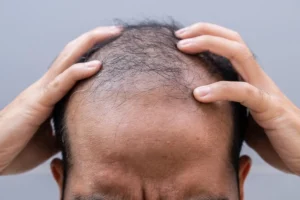
- Visible thinning on the crown or frontal hairline: Often the first sign of male or female pattern baldness.
- Round, smooth patches: Characteristic of alopecia areata, where the immune system attacks follicles.
- Hair breakage along the shaft: May indicate damage from chemical treatments or excessive heat.
- Accompanying symptoms: Scalp itching, redness, or scaling could point to dermatological issues.
If you notice any of these red flags, especially a rapid change in density or the appearance of bald spots, it’s advisable to schedule a consultation with a hair restoration specialist. Early diagnosis allows for targeted treatments—ranging from topical minoxidil to advanced transplant techniques like FUE (Follicular Unit Extraction) and DHI (Direct Hair Implantation).
Practical Steps to Manage Normal Shedding
Even when shedding falls within the normal range, adopting gentle scalp care habits can reduce the perception of excess loss and promote overall hair health. Below are evidence‑based practices that support the hair growth cycle without interfering with natural shedding.
- Gentle washing: Use a mild, sulfate‑free shampoo and avoid vigorous scrubbing; massage the scalp with fingertips for 1‑2 minutes.
- Condition wisely: Apply conditioner mainly to the mid‑lengths and ends to prevent weighing down the roots.
- Balanced nutrition: Incorporate lean proteins, leafy greens, nuts, and fatty fish to supply essential nutrients.
- Stress management: Practice mindfulness, regular exercise, or yoga to mitigate stress‑induced telogen shifts.
- Avoid tight hairstyles: Limit braids, ponytails, or extensions that create tension on the hair shaft.
- Limit heat styling: Use the lowest effective temperature and apply a heat protectant spray.
These habits won’t alter the fundamental 50‑100 hairs per day range, but they can minimize additional breakage and keep the scalp environment optimal for new growth.
Ne Zaman Profesyonel Yardım Alınmalı?
Even with diligent self‑care, some individuals experience persistent or progressive hair loss that exceeds normal shedding patterns. Consulting a qualified clinic can provide a comprehensive assessment, including scalp analysis, blood work, and possibly a biopsy to rule out underlying disorders.
Specialists at hair restoration centers evaluate the type of loss—whether it’s androgenetic alopecia, telogen effluvium, or an autoimmune condition like alopecia areata. Based on the diagnosis, they recommend tailored solutions ranging from medical therapies (e.g., finasteride, platelet‑rich plasma) to surgical options such as FUE or DHI, which are performed with minimal scarring and natural‑looking results.
Choosing a reputable clinic ensures transparent communication, personalized treatment plans, and post‑procedure support. Understanding the full spectrum of options empowers you to make an informed decision that aligns with your aesthetic goals and lifestyle.
Why Choose Gold City Hair
Gold City Hair has been delivering personalized hair restoration solutions in Turkey since 2017. Our team combines advanced techniques—including FUE, DHI, and eyebrow or beard transplants—with a commitment to transparent communication and patient‑centered care. We tailor each treatment to the individual’s unique hair pattern, ensuring natural, lasting results that boost confidence.
When you partner with Gold City Hair, you benefit from experienced surgeons, state‑of‑the‑art facilities, and a supportive journey from initial consultation through post‑procedure follow‑up. Our focus is on restoring not just hair, but the self‑esteem that comes with a full, healthy look.
Ready to take control of your hair health? Contact Gold City Hair today for a personalized assessment and discover the most effective path to a fuller, more confident you.
Schedule your free consultation now and start your transformation with the experts who understand how much hair shedding is normal—and how to go beyond it.
SSS
What is considered a normal amount of hair shedding per day?
Most healthy adults lose between 50 and 100 hairs each day.
How does telogen effluvium affect shedding rates?
Telogen effluvium can raise daily loss to 200‑300 hairs temporarily.
Which lifestyle factors can increase hair shedding?
Stress, poor nutrition, harsh hair care, and certain medications can boost shedding.
When should I be concerned about my hair shedding?
If you lose more than 200 hairs daily, notice thinning patches, or see other scalp symptoms.
What daily habits help keep shedding within the normal range?
Gentle washing, balanced nutrition, stress management, and avoiding tight hairstyles.
What professional treatments are available for abnormal hair loss?
Options include topical minoxidil, oral finasteride, PRP therapy, and surgical transplants like FUE or DHI.