Many people wonder what age does hair loss begin and how they can recognize the first signals before noticeable thinning occurs. Understanding the timeline of hair loss is essential because early detection allows for more effective interventions, whether through lifestyle changes or advanced transplant techniques. Studies show that up to 25% of men experience noticeable thinning by age 30, and a growing number of women report early hair shedding in their mid‑twenties.
This article breaks down the biological, genetic, and environmental factors that influence the onset of hair loss. We will explore the typical age ranges for different types of alopecia, identify the subtle signs that often go unnoticed, and explain when professional evaluation becomes crucial. By the end, you’ll have a clear roadmap for monitoring your scalp health and taking proactive steps toward a fuller head of hair.
Whether you are a teenager noticing a receding hairline, a young adult dealing with unexpected shedding, or simply curious about the aging process, the information below will help you answer the question, “what age does hair loss begin,” with confidence and clarity.
Understanding the Early Signs of Hair Loss
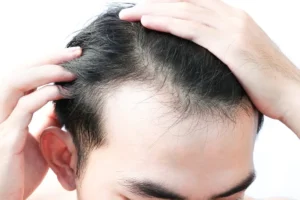
Hair loss does not always manifest as a completely bald scalp. In its earliest stages, the changes are subtle and can be mistaken for normal shedding. Recognizing these signs early can make a significant difference in treatment outcomes.
Common Indicators in Teens and Twenties
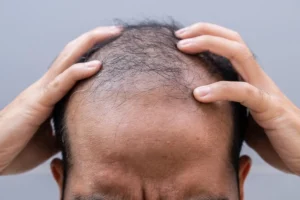
- Gradual thinning along the crown or temples.
- Increased visibility of scalp when hair is pulled back.
- More hair on the pillow or in the shower drain than usual.
- Family members reporting similar patterns at a young age.
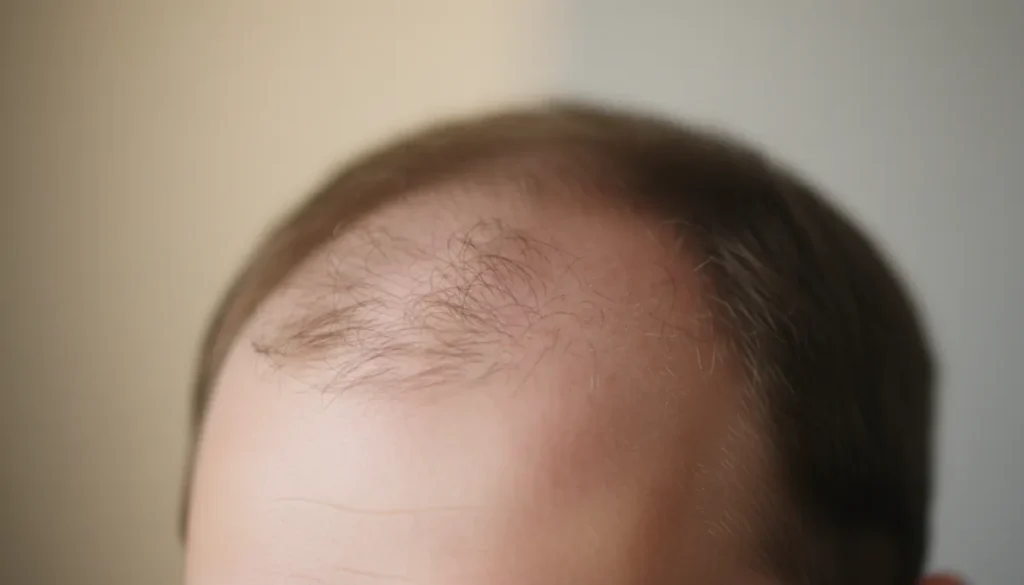
Both male pattern baldness ve female pattern baldness can start during these years, although the presentation differs. Men often notice a receding hairline, while women may see overall thinning without a distinct pattern.
| Sign | Typical Age Range (Men) | Typical Age Range (Women) |
|---|---|---|
| Receding hairline | 15‑25 | — |
| Thinning crown | 20‑30 | 20‑35 |
| Diffuse shedding | — | 18‑28 |
Genetic Factors and Androgenetic Alopecia
Genetics play a pivotal role in determining when hair loss begins. The most common hereditary form is androgenetic alopecia, often referred to as male or female pattern baldness. If your close relatives experienced early hair loss, you are more likely to notice it at a younger age.
Inheritance Patterns
- Polygenic inheritance – multiple genes contribute to risk.
- X‑linked genes – can affect men more severely.
- Family history of early balding – a strong predictor.
Androgenetic alopecia is driven by the hormone dihydrotestosterone (DHT), which shortens the hair growth phase and miniaturizes follicles. This process can start as early as the late teens for some men, while women typically notice it a few years later.
| Gene Influence | Typical Onset (Men) | Typical Onset (Women) |
|---|---|---|
| AR gene (androgen receptor) | 16‑24 | 22‑30 |
| WNT10A gene | 18‑28 | 24‑34 |
| Multiple polygenic risk scores | Variable | Variable |
Hormonal Changes and Health Conditions
Beyond genetics, hormonal fluctuations and certain medical conditions can trigger hair loss at unexpected ages. Puberty, thyroid disorders, and autoimmune diseases such as alopecia areata can all answer the question “what age does hair loss begin” in surprising ways.
Key Hormonal Triggers
- Pubertal surge of androgens – can initiate early thinning.
- Thyroid imbalance – both hyper- and hypothyroidism cause shedding.
- Stress‑induced telogen effluvium – often appears months after a major event.
- Alopecia areata – sudden patchy loss that can occur at any age.
These conditions may cause a temporary increase in hair fall, known as telogen effluvium, or lead to permanent follicular damage, as seen in alopecia areata. Recognizing the underlying cause is essential for selecting the right treatment pathway.
| Condition | Typical Age of Onset | Hair Loss Pattern |
|---|---|---|
| Puberty‑related DHT increase | 12‑18 | Receding hairline, thinning crown |
| Thyroid disorder | Any | Diffuse shedding |
| Alopecia areata | Any | Patchy bald spots |
| Telogen effluvium | Any (often after stress) | Generalized thinning |
Lifestyle, Nutrition, and Hair Care Practices
Daily habits have a measurable effect on the age at which hair loss becomes apparent. Poor nutrition, smoking, and harsh styling techniques can accelerate thinning, while a balanced diet and gentle care can delay the onset.
Positive vs. Negative Practices
- Positive: Protein‑rich diet, regular exercise, scalp massage.
- Negative: Tight ponytails, frequent heat styling, smoking.
Traction alopecia, caused by constant pulling from tight hairstyles, often begins in the late teens and can lead to permanent loss if not addressed early. Conversely, antioxidants found in fruits and vegetables support follicle health and may postpone the typical age of hair loss.
| Practice | Impact on Hair Loss Timing | Recommended Action |
|---|---|---|
| High‑sugar diet | Accelerates thinning by 2‑5 years | Reduce refined sugars |
| Regular scalp massage | May delay onset by up to 3 years | 5‑minute massage, 3×/week |
| Smoking | Associated with earlier baldness | Quit smoking |
| Heat styling | Increases breakage, appears earlier | Limit to low heat, use protectant |
When to Seek Professional Help and Treatment Options
If you have answered the question “what age does hair loss begin” for yourself and notice persistent thinning, it is time to consult a specialist. Early professional evaluation can confirm the type of alopecia and guide appropriate interventions.
Indicators That Professional Evaluation Is Needed
- Visible scalp in multiple areas.
- Rapid progression over a few months.
- Family history of early baldness combined with personal symptoms.
- Associated scalp discomfort or itching.
Modern clinics offer a range of solutions, from medical therapies (finasteride, minoxidil) to advanced transplant techniques such as Follicular Unit Extraction (FUE) and Direct Hair Implantation (DHI). The choice depends on the stage of loss, donor hair availability, and personal goals.
| Treatment | Ideal For | Typical Onset of Results |
|---|---|---|
| Topical minoxidil | Early thinning, both genders | 3‑6 months |
| Finasteride (oral) | Male pattern baldness | 6‑12 months |
| FUE transplant | Moderate to advanced loss | 9‑12 months (full growth) |
| DHI transplant | Precise placement, high density | 8‑10 months |
Why Choose Gold City Hair
Gold City Hair has been delivering personalized hair restoration solutions in Turkey since 2017. Our team specializes in FUE, DHI, and eyebrow/beard transplants, ensuring each patient receives a treatment plan tailored to their unique hair loss pattern and age of onset. With transparent communication and a commitment to natural‑looking results, we empower individuals to regain confidence and a youthful appearance.
Ready to take control of your hair health? Contact Gold City Hair today for a free, no‑obligation consultation and discover the best timing for your personalized treatment plan.
SSS
What age does hair loss typically begin for men?
Most men notice the first signs of thinning between ages 15 and 30, with a noticeable receding hairline often appearing in the late teens.
When can women expect the first signs of hair loss?
Women commonly notice diffuse thinning or a widening part in their mid‑twenties to early thirties.
How do hormonal changes affect the timing of hair loss?
Hormonal spikes during puberty, thyroid imbalances, and stress‑related telogen effluvium can trigger hair loss at any age, often in the teens or early adulthood.
Can lifestyle choices accelerate the onset of hair loss?
Yes, poor nutrition, smoking, and harsh styling can advance thinning by several years, while a balanced diet and scalp care can delay it.
When should someone seek professional evaluation for hair loss?
If you notice visible scalp, rapid thinning, or have a strong family history, consult a specialist promptly.
What treatment options are available for early‑stage hair loss?
Topical minoxidil, oral finasteride (for men), and lifestyle changes are first‑line; surgical options are considered for moderate to advanced loss.