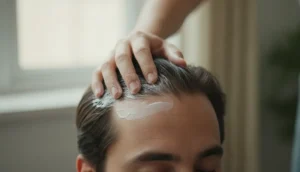
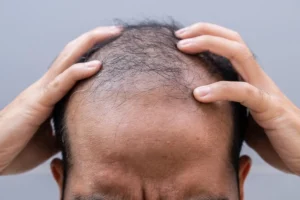
Experiencing hair loss 19 can be unsettling for many young adults who are just beginning their professional and social lives. While hair thinning is often associated with older age, a noticeable amount of men and women start to see a receding hairline or thinning strands around the age of 19. Understanding the underlying mechanisms, early warning signs, and effective solutions is essential to maintaining confidence and preventing further loss.
Recent studies suggest that up to 20% of individuals in their late teens report some degree of hair thinning, with genetics, hormonal shifts, and lifestyle factors playing pivotal roles. Recognizing that hair loss at this age is not merely a cosmetic concern but can also impact mental well‑being helps motivate proactive steps.
In this guide we will explore the most common causes of hair loss at 19, how to spot early symptoms, practical prevention methods, and both medical and cosmetic treatment pathways—including the advanced techniques offered by Gold City Hair.
Common Causes of Hair Loss at Age 19

Hair loss at 19 rarely stems from a single factor; it is often the result of multiple influences interacting over time. Below are the primary contributors:
- Genetic predisposition: A family history of androgenetic alopecia (male or female pattern baldness) significantly raises the risk.
- Hormonal fluctuations: Elevated dihydrotestosterone (DHT) levels can shrink hair follicles, especially in those with a genetic sensitivity.
- Stress and anxiety: Chronic stress triggers telogen effluvium, a condition where a large number of hairs enter the shedding phase simultaneously.
- Nutritional deficiencies: Insufficient iron, zinc, or vitamin D can weaken hair growth cycles.
- Medical conditions: Autoimmune disorders such as alopecia areata may cause patchy hair loss even in young adults.
- Improper hair care: Excessive heat styling, tight hairstyles, or harsh chemicals can lead to traction alopecia.
Understanding which of these factors applies to you is the first step toward an effective plan.
How to Recognize Early Signs of Hair Thinning
Detecting hair loss early allows for more successful interventions. The following indicators are common among individuals experiencing hair loss 19:
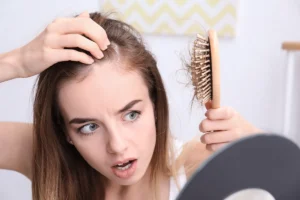
- Increased shedding when washing or brushing hair—more than 100 hairs per day may be a red flag.
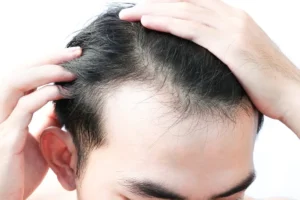
- Visible thinning along the frontal hairline or at the crown, creating a “M” shape in men.
- Patchy bald spots that develop suddenly, often linked to alopecia areata.
- Scalp itching or redness, which can signal inflammation or fungal infections.
Below is a quick reference table comparing typical patterns of hair loss in young adults:
| Pattern | Typical Location | Likely Cause |
|---|---|---|
| Receding Hairline | Frontal temples | Androgenetic alopecia |
| Diffuse Thinning | Across the scalp | Telogen effluvium, nutritional deficiency |
| Patchy Bald Spots | Random areas | Alopecia areata |
If you notice any of these signs, consider consulting a specialist to pinpoint the exact cause and discuss tailored solutions.
Effective Prevention Strategies for Young Adults
Prevention is often more manageable than reversal, especially when dealing with hair loss 19. Implementing a combination of lifestyle adjustments and targeted care can slow or even halt progression.
Nutrition and Supplements
Eating a balanced diet rich in protein, omega‑3 fatty acids, and essential vitamins supports follicular health. Consider incorporating:
- Lean meats, beans, and legumes for protein.
- Fatty fish or flaxseed for omega‑3s.
- Leafy greens for iron and vitamin C.
- Supplementation with biotin, zinc, and vitamin D after consulting a healthcare professional.
Stress Management
Chronic stress elevates cortisol, which can disrupt the hair growth cycle. Effective techniques include:
- Regular physical activity (30 minutes of moderate exercise most days).
- Meditation or mindfulness practices.
- Adequate sleep—aim for 7‑9 hours per night.
Hair Care Practices
Gentle handling of hair minimizes mechanical damage:
- Avoid tight ponytails, braids, or buns that pull on the scalp.
- Limit heat styling tools to a few times per week and use a heat‑protectant spray.
- Choose sulfate‑free shampoos and conditioners that nourish without stripping natural oils.
By integrating these habits, many young adults notice a stabilization of hair density within a few months.
Medical and Cosmetic Treatment Options
When prevention alone is insufficient, several evidence‑based treatments can address hair loss 19 effectively. The choice depends on the underlying cause, severity, and personal preferences.
Topical and Oral Medications
- Minoxidil (Rogaine): A 5% solution applied twice daily that stimulates follicular activity. Works best for early‑stage androgenetic alopecia.
- Finasteride (Propecia): An oral 1 mg tablet that blocks DHT formation, suitable for male pattern baldness. Not recommended for women of child‑bearing age.
- Low‑dose oral spironolactone: Occasionally prescribed off‑label for women with hormonal hair loss.
Procedural Interventions
For more advanced thinning, surgical options provide permanent results:
| Procedure | Technique | Ideal Candidates |
|---|---|---|
| FUE (Follicular Unit Extraction) | Individual follicles harvested and transplanted | Patients with stable donor area, mild‑to‑moderate loss |
| DHI (Doğrudan Saç İmplantasyonu) | Follicles implanted directly using a specialized pen | Those seeking higher graft survival and faster recovery |
| Scalp Micropigmentation | Dermatological tattooing to create the illusion of density | Individuals preferring a non‑surgical aesthetic boost |
Gold City Hair specializes in FUE and DHI techniques, offering personalized treatment plans that consider donor hair quality, scalp elasticity, and aesthetic goals.
Emerging Therapies
Platelet‑rich plasma (PRP) injections and low‑level laser therapy (LLLT) are gaining popularity for their minimally invasive nature. While results vary, many patients report improved thickness after a series of sessions.
Choosing the right approach involves a thorough evaluation by a qualified specialist, who will assess your pattern of hair loss, medical history, and lifestyle.
Lifestyle Changes That Support Hair Health
Beyond targeted treatments, everyday habits play a crucial role in maintaining a healthy scalp environment. Below are actionable changes you can adopt immediately.
Exercise and Circulation
Regular cardio improves blood flow to the scalp, delivering oxygen and nutrients essential for follicle vitality. Aim for at least 150 minutes of moderate aerobic activity each week.
Avoid Harmful Substances
- Smoking constricts blood vessels, reducing nutrient delivery.
- Excessive alcohol intake can dehydrate the body and affect hormone balance.
- Limit caffeine to moderate levels; excessive intake may elevate stress hormones.
Protect Your Scalp From UV Damage
Prolonged sun exposure can weaken hair shafts. Wearing a hat or using a scalp‑friendly sunscreen during outdoor activities helps preserve hair integrity.
Integrating these lifestyle adjustments with the preventive and therapeutic strategies discussed earlier creates a comprehensive plan to combat hair loss 19 and promote lasting confidence.
Why Choose Gold City Hair
Gold City Hair has been delivering personalized hair restoration solutions in Turkey since 2017. Our team combines years of expertise in FUE, DHI, and eyebrow/beard transplants with a transparent, patient‑focused approach. Every consultation is tailored to your unique hair pattern, medical background, and aesthetic goals, ensuring optimal results and a comfortable experience.
Choosing Gold City Hair means accessing state‑of‑the‑art facilities, certified surgeons, and a supportive after‑care program that guides you through recovery and long‑term maintenance. We are dedicated to helping you regain confidence through natural‑looking, lasting hair restoration.
Ready to take the first step toward a fuller, healthier head of hair? Contact Gold City Hair today to schedule your personalized consultation and discover the best treatment plan for your needs.
Experience expert care, transparent communication, and results you can trust.
SSS
What are the main causes of hair loss at 19?
The main causes include genetic predisposition, hormonal changes (especially DHT), stress, nutritional deficiencies, medical conditions, and improper hair care.
How can I identify early signs of hair thinning in my early twenties?
Look for increased shedding, visible thinning at the frontal hairline or crown, patchy bald spots, and scalp itching or redness.
What prevention strategies are effective for young adults experiencing hair loss?
A balanced diet, stress management, gentle hair care, and regular exercise are key preventive measures.
Which medical treatments are recommended for hair loss at age 19?
Topical minoxidil, oral finasteride (for men), low‑dose spironolactone (for women), PRP injections, and low‑level laser therapy are common options.
Are hair transplant procedures like FUE and DHI suitable for 19‑year‑olds?
Yes, if the donor area is stable and the individual has mild‑to‑moderate loss, FUE and DHI can be appropriate.
How do lifestyle changes impact hair health for young adults?
Lifestyle habits like regular exercise, avoiding smoking and excess alcohol, and protecting the scalp from UV improve overall hair health.