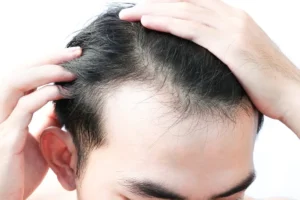
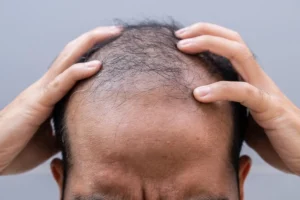
When you search how much biotin for hair loss, you’re looking for a clear answer that balances effectiveness with safety. Biotin, also known as vitamin B7, is a popular supplement touted for strengthening hair, skin, and nails. Understanding the right dosage can help you decide whether biotin fits into your hair‑restoration plan, especially if you’re already considering procedures like FUE or DHI at Gold City Hair.
Hair thinning affects millions worldwide, and many turn to over‑the‑counter vitamins hoping for a quick fix. While biotin deficiency is rare, sub‑optimal intake may contribute to brittle strands and slower growth. In this article we’ll explore the science behind biotin, recommended daily amounts, personal factors that influence the ideal dose, safety considerations, and how to select a high‑quality supplement.
By the end, you’ll have a practical framework for answering the question “how much biotin for hair loss” with confidence, and you’ll know when professional hair‑transplant solutions might be a better complement to your nutritional strategy.
Biotini ve Saç Sağlığındaki Rolünü Anlamak
Biotin is a water‑soluble B‑vitamin that plays a key role in the metabolism of fatty acids, amino acids, and glucose. These processes are essential for the production of keratin, the protein that makes up the majority of hair strands. When keratin synthesis is supported, hair follicles can maintain a healthier growth cycle.
Most people obtain biotin from a balanced diet that includes eggs, nuts, seeds, and certain vegetables. However, modern diets, stress, and certain medications can lower biotin availability, potentially leading to weaker hair shafts.
Below is a quick comparison of natural biotin sources versus typical supplement forms:
| Source | Biotin Content (µg per serving) | Typical Use |
|---|---|---|
| Egg yolk (1 large) | 10 | Whole‑food diet |
| Almonds (1 oz) | 1.5 | Snack or salad topping |
| Biotin supplement (tablet) | 250–5000 | Targeted dosage |
Because the body cannot store biotin, regular intake is necessary. This is why many individuals ask, “how much biotin for hair loss should I take daily?” The answer depends on baseline levels, dietary habits, and specific hair‑loss concerns.
Recommended Daily Dosage for Hair Loss
Health authorities such as the National Institutes of Health (NIH) have established an Adequate Intake (AI) level of 30 µg per day for adults. This amount is sufficient to prevent deficiency but is often lower than the doses marketed for hair improvement.
Clinical observations and consumer reports suggest that doses ranging from 2,500 µg to 5,000 µg (2.5–5 mg) per day are commonly used to address hair thinning. While research is still emerging, many dermatologists consider a 5,000 µg daily dose as a reasonable starting point for individuals seeking visible results, provided they have no contraindications.
Here is a simple dosage guide to help you answer the core question:
- Low‑maintenance approach: 30–100 µg (AI level) – suitable for those with a balanced diet and mild hair shedding.
- Moderate boost: 1,000–2,500 µg – often recommended for individuals with noticeable thinning but no underlying medical conditions.
- High‑intensity protocol: 5,000 µg – used by many seeking accelerated hair growth, especially when combined with other treatments.
It’s important to note that exceeding 10,000 µg daily does not provide additional hair benefits and may increase the risk of side effects, such as skin rashes or gastrointestinal discomfort.
Factors That Influence the Ideal Biotin Amount
While a generic dosage can serve as a starting point, several personal factors may shift the optimal amount up or down. Understanding these variables ensures you answer “how much biotin for hair loss” in a way that’s tailored to your body.
Age and Metabolism
Metabolic rate generally declines with age, potentially reducing the efficiency of nutrient absorption. Older adults may benefit from a slightly higher dose within the safe range to compensate for slower uptake.
Dietary Patterns
People following vegan or low‑protein diets often have lower baseline biotin levels because many biotin‑rich foods are animal‑based. In such cases, a moderate supplement (2,500 µg) can help bridge the gap.
Medical Conditions and Medications
Certain conditions—such as inflammatory bowel disease, chronic antibiotic use, or anticonvulsant therapy—can impair biotin absorption. Consulting a healthcare professional before starting a high‑dose regimen is essential.
Concurrent Hair‑Restoration Treatments
If you’re planning a hair transplant at Gold City Hair, biotin can support post‑procedure healing, but it should be integrated into a broader nutrition plan rather than used in isolation.
Below is a comparison table highlighting how each factor may adjust the recommended dosage:
| Factor | Typical Adjustment | Suggested Dose (µg) |
|---|---|---|
| Age > 60 | Increase 20% | 6,000 µg |
| Vegan diet | Increase 30% | 6,500 µg |
| IBD or antibiotics | Consult physician | Variable |
| Post‑transplant recovery | Maintain moderate dose | 2,500–5,000 µg |
Safety, Side Effects, and When to Stop
Biotin is generally regarded as safe because excess amounts are excreted in urine. However, taking more than the recommended upper limit can lead to undesirable effects. Common side effects include:
- Skin rashes or acne‑like breakouts
- Digestive upset such as nausea or cramping
- Interference with laboratory test results (e.g., thyroid panels)
Because biotin can skew certain blood test readings, it is advisable to pause supplementation at least 48 hours before any diagnostic testing.
If you notice persistent skin reactions or gastrointestinal issues, reduce the dose or discontinue use and consult a healthcare professional. Remember, the goal is to support hair health without compromising overall well‑being.
How to Choose Quality Biotin Supplements
Not all biotin products are created equal. When selecting a supplement, focus on the following criteria to ensure you receive a safe and effective product:
- Third‑party testing: Look for certifications from organizations like USP, NSF, or ConsumerLab.
- Transparent labeling: The label should clearly state the amount of biotin per serving and list all inactive ingredients.
- Formulation: Some products combine biotin with other hair‑supporting nutrients such as zinc, vitamin C, or marine collagen, which can enhance overall results.
- Reputable manufacturer: Choose brands with a history of good manufacturing practices (GMP) and positive customer reviews.
While a higher dose might seem attractive, quality and purity are more important than sheer quantity. A well‑formulated 5,000 µg supplement from a reputable source often outperforms a cheap 10,000 µg product with filler ingredients.
Finally, remember that supplements complement—not replace—professional hair‑restoration methods. If you’re considering a transplant, discuss any supplement regimen with your surgeon at Gold City Hair to align nutrition with surgical planning.
Why Choose Gold City Hair
Gold City Hair has been a trusted hair‑restoration center in Turkey since 2017, offering cutting‑edge FUE, DHI, and eyebrow/beard transplant techniques. Our team prioritizes personalized care, transparent communication, and evidence‑based treatments. Whether you complement biotin supplementation with a transplant or seek a comprehensive hair‑health plan, our experienced specialists guide you every step of the way, ensuring safe, natural‑looking results.
Ready to combine the right biotin dosage with expert hair‑restoration care? Contact Gold City Hair today to schedule a free consultation and discover a personalized plan that restores both confidence and your natural look.
SSS
What is the recommended daily biotin dosage for hair loss?
The typical starting dose for hair loss is 5,000 µg (5 mg) per day, with lower ranges of 30–100 µg for maintenance and 1,000–2,500 µg for moderate improvement.
Can taking too much biotin cause side effects?
Yes, excessive biotin can cause skin rashes, digestive upset, and interfere with certain laboratory tests.
How do age and diet affect biotin needs?
Older adults and people on vegan or low‑protein diets may need slightly higher biotin doses to compensate for reduced absorption.
Should I take biotin before a hair transplant?
Biotin can support post‑procedure healing, but it should be part of a balanced nutrition plan and discussed with your surgeon.
How to choose a high‑quality biotin supplement?
Look for third‑party testing, transparent labeling, reputable manufacturers, and formulations that include complementary nutrients.
Does biotin interact with medical tests?
Yes, high biotin levels can falsely alter results of thyroid, hormone, and cardiac marker assays.