When you search for hair restoration services, you’re looking for a solution that can bring back confidence and a fuller appearance. Modern clinics combine medical expertise with artistic precision to address hair loss, whether it’s a receding hairline, thinning crown, or complete baldness. In this article we’ll walk you through the most effective techniques, who can benefit, how to prepare, and what after‑care looks like, so you can make an informed decision about your journey.
Hair loss affects millions worldwide, and studies show that up to 40 % of men begin to notice thinning by age 35, while many women experience diffuse shedding after hormonal changes. Understanding the options available through professional hair restoration services can help you choose a path that aligns with your goals and lifestyle.
We’ll explore the science behind the procedures, the candidacy criteria, preparation steps, and long‑term maintenance strategies. By the end, you’ll have a clear picture of what to expect and why a specialized clinic can make all the difference.
Understanding Modern Hair Restoration Techniques
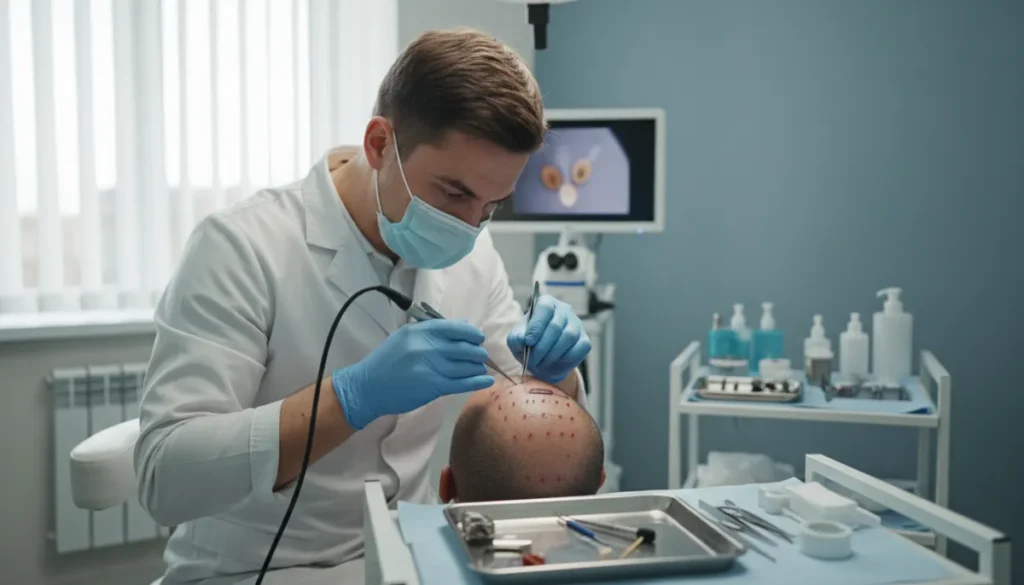
Today’s hair restoration services rely on minimally invasive procedures that harvest healthy follicles from a donor area and transplant them to balding zones. The two most popular methods are Follicular Unit Extraction (FUE) and Direct Hair Implantation (DHI). Both aim to achieve natural‑looking density while minimizing scarring and downtime.
FUE involves extracting individual follicular units using a micro‑punch tool, then placing them into pre‑made channels in the recipient area. This technique is prized for its precision and the ability to treat large areas in a single session.
DHI builds on FUE by using a proprietary implanter pen that allows the surgeon to insert grafts directly without creating prior incisions. This can reduce handling time and improve graft survival rates, especially in delicate scalp zones.
Beyond scalp restoration, many clinics now offer eyebrow and beard transplants, expanding the scope of hair restoration services to address facial hair loss.
- FUE – Individual extraction, minimal scarring, suitable for most scalp types.
- DHI – Direct implantation, higher graft survival, ideal for precise designs.
- Eyebrow Transplant – Fine grafts for natural‑looking arches.
- Beard Transplant – Thick grafts to create a fuller beard line.
| Feature | FUE | DHI |
|---|---|---|
| Incision Method | Pre‑made channels | Direct implantation |
| Graft Handling Time | Longer | Shorter |
| Typical Recovery | 5‑7 days | 4‑6 days |
| Best For | Large area coverage | Precision work, high density |
Who Can Benefit from Hair Restoration?
Hair restoration services are not limited to a single gender or age group. While many associate hair loss with men, women also experience significant thinning, especially after pregnancy, menopause, or thyroid changes. Understanding the underlying cause helps determine the most effective approach.
Typical candidates include:
- Men with male‑pattern baldness (androgenic alopecia) seeking to restore the hairline or crown.
- Women with diffuse thinning or frontal hair loss looking for a natural‑looking density.
- Individuals with scar tissue from previous surgeries or injuries who want to conceal the area.
- Patients desiring eyebrow or beard enhancement for aesthetic or reconstructive reasons.
Key indicators that you may be a good candidate are:
- Stable donor area with healthy hair follicles.
- Realistic expectations about density and coverage.
- No active scalp infections or uncontrolled medical conditions.
- Commitment to post‑procedure care and follow‑up.
When evaluating options, terms like baldness therapy ve hair loss treatment often appear. While medications such as finasteride can slow progression, they are usually combined with surgical hair transplant for optimal, lasting results.
Preparing for a Successful Hair Restoration Journey
Successful outcomes begin long before the first graft is placed. Proper preparation ensures the scalp is healthy and the donor area is ready to provide robust follicles.
Key preparation steps include:
- Medical Evaluation: A thorough examination to rule out scalp conditions, assess hormone levels, and discuss any medications such as finasteride for hair loss.
- Medication Review: Discontinuing blood thinners, anti‑inflammatory drugs, or certain supplements that could increase bleeding risk.
- Lifestyle Adjustments: Quitting smoking, limiting alcohol, and maintaining a balanced diet rich in vitamins that support hair growth.
- Hair Growth Products: Using topical minoxidil or recommended supplements (e.g., biotin, zinc) for a few weeks prior to surgery can improve graft health.
Many patients also explore best hair growth supplements to boost the natural regrowth cycle after the procedure. While supplements are not a substitute for surgery, they complement the results by nurturing the transplanted follicles.
It’s essential to set realistic expectations. Most individuals notice visible hair growth within three to four months, with full maturation occurring around 12‑18 months. Understanding this timeline helps maintain patience and confidence throughout the process.
Aftercare and Long‑Term Maintenance
Post‑procedure care is crucial for graft survival and the overall success of your hair restoration services. The first week focuses on protecting the scalp, while the following months emphasize nurturing new growth.
Typical aftercare protocol includes:
- Gentle Washing: Using a mild shampoo after 48‑72 hours, avoiding vigorous rubbing.
- Medication: Prescribed antibiotics or anti‑inflammatory drugs to reduce infection risk and swelling.
- Activity Restrictions: Avoiding heavy exercise, saunas, and direct sunlight for at least two weeks.
- Follow‑Up Visits: Scheduled appointments to monitor healing and address any concerns.
Long‑term maintenance often involves hair growth products, such as topical minoxidil, and nutritional support. The best vitamins for hair growth—including vitamin D, iron, and omega‑3 fatty acids—can enhance follicle health and promote a fuller appearance.
Patients are also advised to continue a healthy lifestyle: regular exercise, stress management, and a protein‑rich diet. These habits not only support hair health but also improve overall well‑being.
Why Choose Gold City Hair for Your Hair Restoration Needs
Gold City Hair has been delivering personalized hair restoration services in Turkey since 2017. Our clinic combines the latest FUE and DHI technologies with a dedicated team that prioritizes transparent communication and patient comfort. By tailoring each treatment plan to individual goals, we ensure natural‑looking results that boost confidence. Choose us for a professional, trustworthy, and results‑driven experience.
Ready to transform your look? Contact Gold City Hair today to schedule a personalized consultation and discover the best hair restoration solution for you.
Take the first step toward lasting confidence—our expert team is here to guide you every step of the way.
SSS
What is the difference between FUE and DHI hair transplant techniques?
FUE extracts individual follicles and places them into pre‑made channels, while DHI uses a pen to implant grafts directly without prior incisions.
Who is a good candidate for hair restoration services?
Ideal candidates have stable donor hair, realistic expectations, no active scalp infections, and are committed to post‑procedure care.
How should I prepare for a hair transplant procedure?
Preparation involves a medical evaluation, medication review, lifestyle adjustments, and possibly using hair growth products before surgery.
What does post‑procedure aftercare involve after a hair transplant?
Aftercare includes gentle washing, medication, activity restrictions, and scheduled follow‑up visits to ensure graft survival.
How long does it take to see results after a hair restoration treatment?
Most patients notice new hair growth within 3‑4 months, with full results appearing around 12‑18 months.
Why choose Gold City Hair clinic for hair restoration in Turkey?
Gold City Hair offers experienced surgeons, state‑of‑the‑art FUE and DHI technology, and personalized care since 2017.





