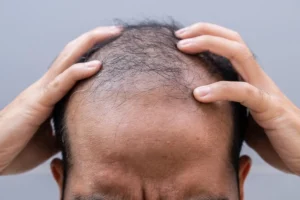
Understanding how to treat traction alopecia is essential for anyone experiencing hair thinning caused by constant tension. This condition often results from tight hairstyles, frequent pulling, or harsh grooming habits, leading to progressive hair loss if left unchecked. Recent studies show that up to 30% of women who regularly wear tight braids or ponytails develop early signs of traction-related hair loss.
In this article, we will explore the underlying causes of traction alopecia, practical lifestyle adjustments, medical interventions, and natural remedies that can halt and even reverse the damage. Whether you are looking for gentle hair care routines, effective hair growth products, or advanced treatments like hair transplant, the information provided will help you make informed decisions.
By the end of this guide, you will have a clear roadmap to protect your hair, promote regrowth, and regain confidence without resorting to drastic measures.
Understanding Traction Alopecia: Causes and Early Signs
Traction alopecia is a type of hair loss that occurs when continuous pulling force damages the hair follicles. Common culprits include:
- Tight braids, cornrows, or weaves
- Frequent use of elastic hair ties
- Heavy extensions or wigs
- Regular use of headbands or helmets that apply pressure
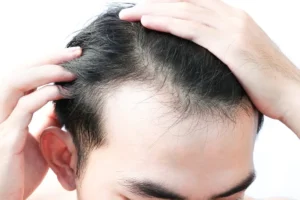
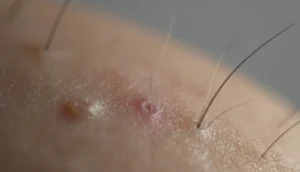
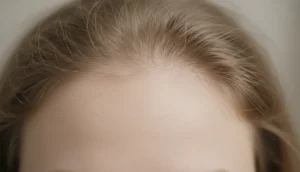
The condition typically begins with a noticeable thinning along the hairline, temples, or nape. Early symptoms may also include redness, tenderness, or small bumps where the follicles are stressed.
Identifying these warning signs promptly is crucial because prolonged tension can cause permanent follicular damage. When the hair follicles become scarred, the chances of natural regrowth diminish, making early intervention a priority.
| Stage | Semptomlar | Potential Reversibility |
|---|---|---|
| Early | Hairline thinning, mild redness | High – lifestyle changes often restore growth |
| Moderate | Visible bald patches, follicular inflammation | Medium – medical treatments may be needed |
| Advanced | Scarring, permanent follicle loss | Low – surgical options considered |
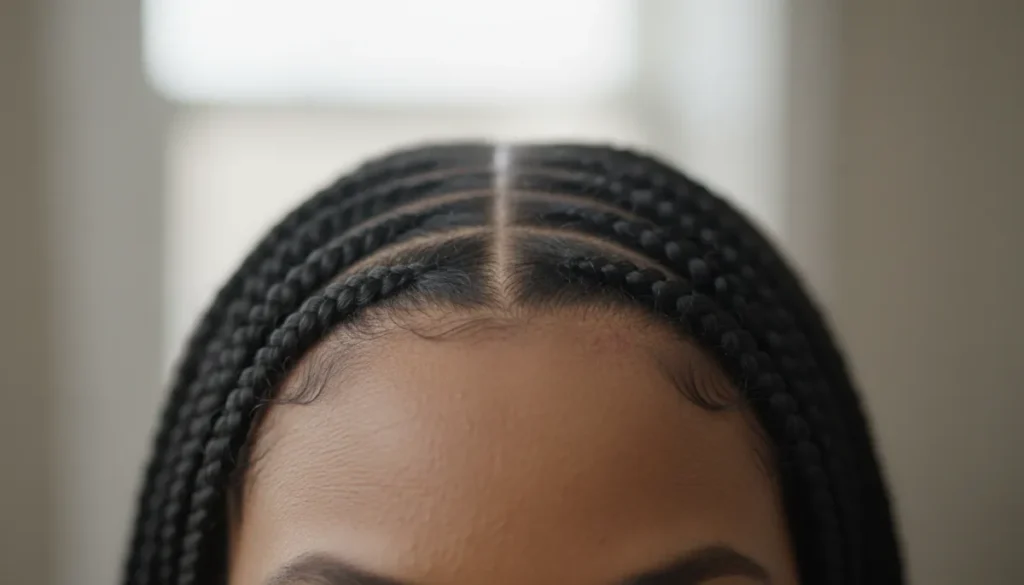
Gentle Hair Care Practices to Prevent Further Damage
Adopting a gentle hair care routine is the cornerstone of any plan to treat traction alopecia. Below are practical steps that reduce tension and support healthy hair growth.
Choose Low-Tension Hairstyles
- Opt for loose ponytails or braids that do not pull at the roots.
- Avoid hairstyles that require constant tightening, such as tight buns.
- Rotate hairstyles regularly to give follicles a break.
Use Protective Hair Products
Invest in hair growth products that nourish the scalp without adding weight. Look for formulas containing biotin, caffeine, and niacinamide, which enhance circulation and strengthen strands.
Scalp Massage and Moisturization
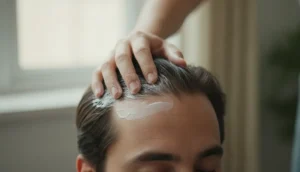
Regular scalp massage stimulates blood flow, promoting nutrient delivery to the follicles. Pair this with a lightweight oil, such as argan or jojoba, to keep the scalp hydrated.
| Product Type | Key Ingredients | Avantajlar |
|---|---|---|
| Hair Growth Serum | Caffeine, Biotin, Peptides | Boosts follicle activity, reduces shedding |
| Moisturizing Oil | Argan, Jojoba, Vitamin E | Prevents dryness, improves scalp elasticity |
| Gentle Shampoo | Sulfate-free, Aloe Vera | Maintains natural oils, reduces irritation |
Medical Treatments and Advanced Options
When lifestyle adjustments alone are insufficient, medical interventions can accelerate the healing process and stimulate new growth. Below are evidence‑based treatments commonly recommended by dermatologists to treat traction alopecia.
Topical Minoxidil
Minoxidil 5% solution is FDA‑approved for both men and women and works by widening blood vessels, increasing oxygen and nutrient supply to the follicles. Consistent twice‑daily application can yield visible results within 3–6 months.
Finasteride (for men)
Finasteride, a prescription oral medication, blocks the conversion of testosterone to dihydrotestosterone (DHT), a hormone linked to follicular miniaturization. While primarily used for androgenetic alopecia, it can complement treatment for traction‑related loss in male patients.
Platelet‑Rich Plasma (PRP) Therapy
PRP involves drawing a small amount of the patient’s blood, concentrating platelets, and injecting them into the scalp. Growth factors in PRP promote tissue regeneration and have shown promising outcomes for early‑stage traction alopecia.
Hair Transplant Techniques
For advanced cases where scarring has occurred, hair transplant offers a permanent solution. Techniques such as Follicular Unit Extraction (FUE) and Direct Hair Implantation (DHI) allow surgeons to relocate healthy follicles from donor areas to the balding zones, achieving natural density.
- FUE: Individual follicles are extracted and implanted, minimizing scarring.
- DHI: Uses a specialized implanter pen for precise placement, reducing trauma.
- Both methods provide long‑lasting results with a natural appearance.
Natural Remedies and Nutritional Support
Supporting hair health from the inside out can complement external treatments. While natural remedies alone may not fully reverse severe traction alopecia, they provide essential nutrients that strengthen existing hair and create a favorable environment for regrowth.
Essential Vitamins and Minerals
- Biotin (Vitamin B7): Improves keratin structure, essential for hair strength.
- D Vitamini: Deficiency is linked to hair follicle cycling disruption.
- Zinc: Plays a role in DNA synthesis and cell division in hair follicles.
Herbal Supplements
Extracts such as saw palmetto, rosemary oil, and green tea polyphenols have demonstrated anti‑inflammatory properties and may help reduce scalp irritation caused by tension.
| Supplement | Key Benefits | Suggested Dosage |
|---|---|---|
| Biotin | Strengthens hair shaft, reduces breakage | 2,500–5,000 µg daily |
| Vitamin D3 | Supports follicle cycling | 1,000–2,000 IU daily |
| Zinc Picolinate | Saç derisi sağlığını iyileştirir | 30 mg daily |
When to Seek Professional Help: Signs It’s Time for a Specialist
While many cases of traction alopecia improve with proper care, certain signs indicate the need for professional evaluation. If you notice any of the following, schedule a consultation with a qualified hair specialist.
- Persistent bald patches that do not respond to gentle styling changes.
- Scarring or hardened areas on the scalp.
- Rapid hair loss despite using over‑the‑counter products.
- Associated symptoms such as itching, pain, or inflammation.
During a clinical assessment, a dermatologist may perform a scalp biopsy, trichoscopy, or blood tests to rule out underlying conditions. Based on the findings, they can recommend a tailored plan that may include prescription‑strength minoxidil, PRP sessions, or evaluation for a hair transplant procedure.
Choosing a clinic with extensive experience in hair restoration ensures you receive the most up‑to‑date techniques and personalized care.
Why Choose Gold City Hair
At Gold City Saç, we combine cutting‑edge techniques such as FUE and DHI with a personalized approach that prioritizes your comfort and confidence. Since 2017, our team of certified specialists has helped countless clients overcome hair loss, including traction alopecia, through transparent communication and tailored treatment plans. Our state‑of‑the‑art clinic in Turkey offers a welcoming environment, advanced medical expertise, and a commitment to natural‑looking results.
Ready to restore your hair and confidence? Contact Gold City Hair today to schedule a personalized consultation and discover the most effective solution for your traction alopecia.
SSS
What are the early signs of traction alopecia?
Early traction alopecia appears as thinning along the hairline, temples, or nape, often accompanied by mild redness or small bumps.
How can I prevent traction alopecia with everyday hairstyles?
Choose low‑tension styles, avoid tight elastics, and rotate hairstyles regularly to give follicles a break.
Is minoxidil effective for treating traction alopecia?
Yes, 5% minoxidil can stimulate blood flow and promote regrowth when used consistently for several months.
What medical options exist for advanced traction alopecia with scarring?
Hair transplant techniques such as FUE and DHI are the primary surgical solutions for scarred areas.
Can natural supplements help with traction alopecia?
Supplements such as biotin, vitamin D, and zinc support follicle health but work best alongside other treatments.
When should I see a dermatologist for traction alopecia?
Seek professional help if you notice persistent bald patches, scarring, or rapid hair loss despite gentle care.