Everyone wants to keep a full head of hair, and many wonder how to avoid going bald as they age. Understanding the factors that trigger hair loss is the first step toward effective prevention. In this article we explore the science behind hair thinning, practical lifestyle adjustments, proven topical and nutritional solutions, and when professional intervention becomes necessary.
Hair loss affects up to 50 % of men and 40 % of women by the age of 50, making it one of the most common cosmetic concerns worldwide. While genetics play a significant role, a range of modifiable habits can either accelerate or slow down the process. By adopting evidence‑based strategies, you can preserve hair density and boost confidence.
We’ll cover the most reliable methods to protect your hair follicles, debunk common myths, and outline the options available at a leading clinic like Gold City Hair. Let’s dive into the steps you can take today to keep your hair healthy for the long term.
Saç Dökülmesinin Nedenlerini Anlamak
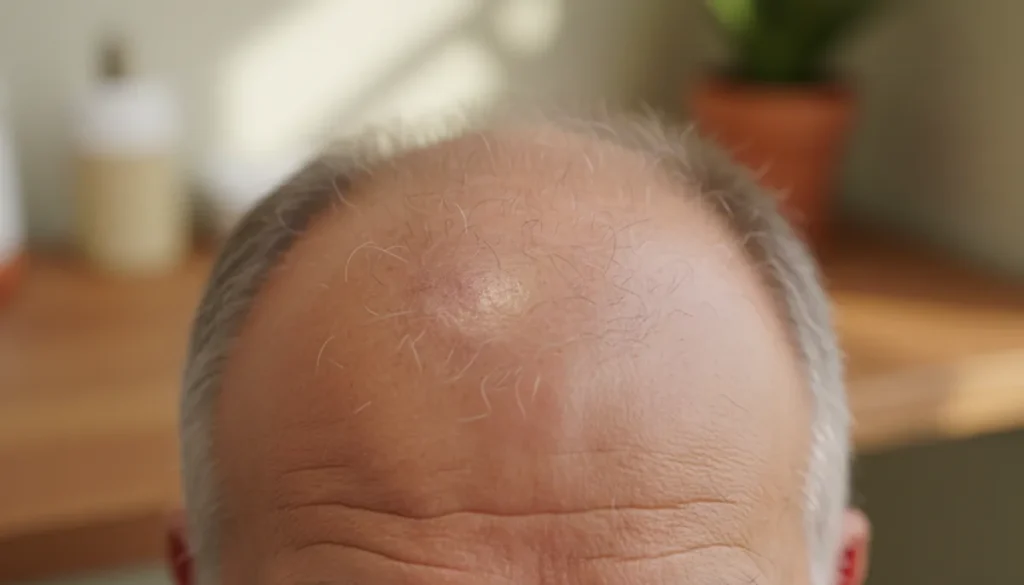
Before you can effectively avoid going bald, it’s essential to recognize the underlying mechanisms that cause hair follicles to shrink or stop producing strands. The most common causes include:
- Androgenetic alopecia – often called male or female pattern baldness, driven by genetics and hormones.
- Autoimmune conditions such as alopecia areata, where the immune system attacks hair follicles.
- Traction alopecia from tight hairstyles that pull on the scalp.
- Nutrient deficiencies, especially iron, zinc, and vitamin D.
- Stress‑induced telogen effluvium, a temporary shedding phase.
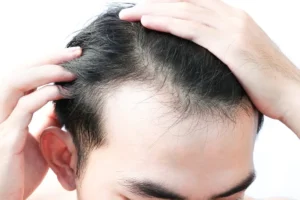
Identifying the specific type of hair loss you’re experiencing helps tailor the right prevention plan. For example, androgenetic alopecia typically starts with a receding hairline or thinning crown, while alopecia areata appears as sudden, round patches of hair loss.
Below is a quick comparison of the most prevalent forms of hair loss:
| Type | Typical Pattern | Primary Cause | Effective Prevention |
|---|---|---|---|
| Androgenetik Alopesi | Receding hairline, crown thinning | Genetics + DHT hormone | Minoxidil, finasteride, lifestyle changes |
| Alopesi Areata | Round patches | Autoimmune response | Topical steroids, immunotherapy |
| Traction Alopecia | Hairline recession, thinning at temples | Mechanical tension | Gentle hairstyles, scalp massage |
Lifestyle Changes That Support Hair Health
Daily habits have a profound impact on the scalp’s environment. Simple adjustments can significantly reduce the risk of going bald.
Nutrition and Hydration
Hair is made primarily of keratin, a protein that requires adequate intake of amino acids, vitamins, and minerals. Include these foods in your diet:
- Lean proteins such as fish, poultry, and legumes.
- Omega‑3 rich sources like salmon, walnuts, and flaxseeds.
- Leafy greens for iron and folate.
- Biotin‑rich eggs and nuts.
Staying hydrated improves blood circulation to the scalp, delivering essential nutrients to follicles.
Scalp Care Practices
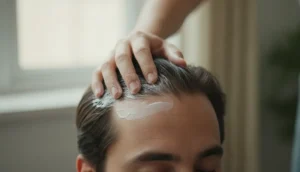
Gentle cleansing with a sulfate‑free shampoo prevents excessive stripping of natural oils, which protect hair shafts. Regular scalp massage using fingertips for 5 minutes stimulates blood flow and can prolong the anagen (growth) phase.
Stress Management
Chronic stress elevates cortisol, which can push hair follicles into the telogen (resting) phase. Incorporate relaxation techniques such as meditation, yoga, or regular aerobic exercise to keep stress levels in check.
Adopting these lifestyle habits not only supports overall health but also creates a favorable environment for hair growth, helping you avoid going bald naturally.
Effective Topical and Nutritional Treatments
When lifestyle tweaks alone are insufficient, targeted treatments can reinforce hair follicle health. Below are the most researched options.
Topical Minoxidil
Minoxidil 5 % solution is FDA‑approved for both men and women. It works by widening blood vessels in the scalp, increasing nutrient delivery. Consistent twice‑daily application can halt further loss and promote modest regrowth within 4‑6 months.
Finasteride (Oral)
Finasteride 1 mg daily reduces dihydrotestosterone (DHT) levels, the hormone most responsible for androgenetic alopecia. Clinical studies show up to 90 % of users experience slowed hair loss and some regrowth.
Natural Supplements
Supplements containing biotin, saw palmetto, and marine collagen have shown promise in supporting hair density. While not a miracle cure, they can complement other strategies.
Here’s a quick reference table for choosing the right treatment based on your needs:
| Treatment | Mechanism | Typical Use | Key Considerations |
|---|---|---|---|
| Minoxidil | Vasodilation | Topical, twice daily | Possible scalp irritation |
| Finasterid | DHT inhibition | Oral, daily | Requires prescription, monitor side effects |
| Biotin Supplement | Keratin support | Oral, daily | Best with balanced diet |
Combining these options with the lifestyle measures above creates a comprehensive plan to avoid going bald and maintain thicker hair.
Professional Options: When to Consider Hair Restoration
Even with diligent care, some individuals reach a point where medical intervention offers the most reliable outcome. Knowing when to seek professional help can prevent further loss and restore confidence.
Assessing the Need for a Procedure
Key indicators include:
- Progressive thinning despite consistent topical treatment.
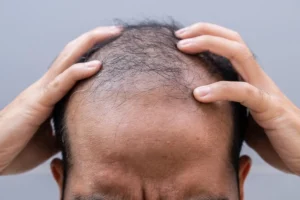
- Significant bald spots that affect self‑image.
- Family history of early‑onset androgenetic alopecia.
Consultation with a certified hair restoration specialist will involve a scalp examination, photographic documentation, and possibly a trichogram to evaluate follicle density.
Hair Transplant Techniques
Gold City Hair specializes in the latest follicular unit extraction (FUE) and direct hair implantation (DHI) methods. These procedures relocate healthy follicles from a donor area (usually the back of the head) to balding zones, offering natural‑looking, permanent results.
Key benefits of modern transplant techniques include:
- Minimal scarring – individual follicle extraction leaves tiny dot‑like marks.
- Quick recovery – most patients resume normal activities within a week.
- High graft survival rates – up to 95 % when performed by experienced surgeons.
Choosing a reputable clinic ensures that the procedure aligns with your aesthetic goals and long‑term hair health, ultimately helping you avoid going bald in the future.
Myths and Truths About Baldness Prevention
Misconceptions can lead people to waste time and money on ineffective solutions. Let’s separate fact from fiction.
Myth: Wearing hats causes baldness
There is no scientific evidence linking regular hat use to hair loss. Tight hats may cause traction alopecia, but normal headwear is safe.
Myth: Shampoo can stop hair loss
While a gentle shampoo maintains scalp health, it cannot reverse genetic hair thinning. It is a supportive element, not a cure.
Truth: Early intervention works
Starting preventive measures at the first sign of thinning—often in the late teens or early twenties—greatly improves outcomes. Consistent use of proven treatments and lifestyle adjustments can delay or even prevent significant balding.
Understanding these truths empowers you to make informed decisions and stay focused on strategies that truly help you avoid going bald.
Why Choose Gold City Hair
Gold City Hair has been delivering personalized hair restoration solutions in Turkey since 2017. Our clinic combines cutting‑edge FUE and DHI techniques with transparent communication, ensuring each patient receives a tailored plan that matches their unique hair goals. With a focus on safety, natural results, and lasting confidence, we guide you from the initial consultation through post‑procedure care.
Ready to take control of your hair health? Contact Gold City Hair today for a free, no‑obligation consultation and discover the best path to keep your hair thriving.
SSS
What are the main causes of hair loss?
Hair loss can be caused by genetics, hormonal changes, autoimmune conditions, nutrient deficiencies, and stress.
How can diet improve hair health?
A balanced diet rich in protein, omega‑3 fatty acids, iron, zinc, and biotin supports hair growth and strength.
Is minoxidil effective for preventing baldness?
Yes, minoxidil 5% applied twice daily can slow hair loss and stimulate modest regrowth in many users.
When should I consider a hair transplant?
Consider a transplant if hair loss progresses despite topical treatments, you have noticeable bald spots, or have a strong family history of early baldness.
Does stress cause hair loss and how can it be managed?
Chronic stress raises cortisol, pushing follicles into the resting phase, but stress‑reduction techniques can mitigate this effect.
What common myths about hair loss are false?
Myths such as “wearing hats causes baldness” and “shampoo can stop hair loss” are not supported by scientific evidence.