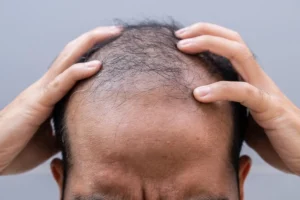
When you schedule a hair restoration consultation, you are taking the first step toward a personalized solution for hair loss. This initial meeting allows you to understand the range of options—from modern FUE ve DHI techniques to classic hair transplant methods—while addressing your unique concerns. In fact, more than 70% of individuals who receive a thorough consultation report higher confidence in choosing the right clinic.
The consultation process is more than a simple questionnaire; it is a comprehensive assessment that includes medical history, scalp analysis, and realistic goal setting. By the end of the session, you should have a clear roadmap, an estimated timeline, and a transparent cost overview.
In this article we will walk you through each stage of the consultation, explain key terminology, and show how an expert team can tailor a plan that matches your lifestyle and expectations. Whether you are seeking hair restoration for men, looking for an advanced hair restoration technique, or simply exploring options, this guide equips you with the knowledge to make an informed decision.
Understanding the Consultation Process
The first encounter with a hair restoration specialist sets the tone for the entire treatment journey. A structured consultation typically follows these steps:
- Medical History Review – The surgeon asks about past surgeries, medications, and family patterns of hair loss.
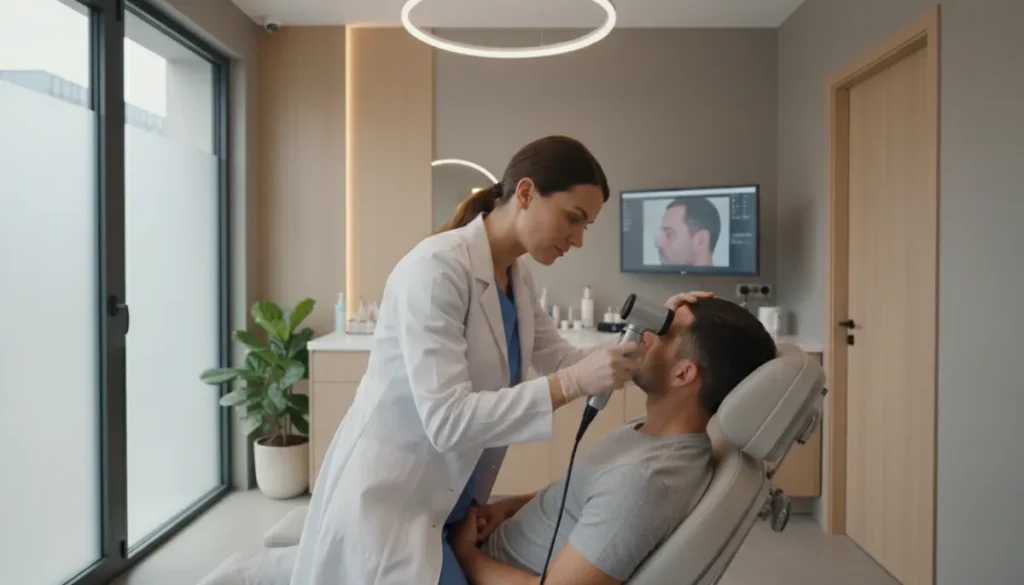
- Scalp Examination – High‑resolution imaging and trichoscopy help assess follicle density and donor area quality.
- Goal Discussion – You share your desired hairline, density, and any aesthetic preferences.
- Treatment Options – The specialist explains suitable procedures such as FUE, DHI, or eyebrow/beard transplants.
- Cost & Timeline – A transparent breakdown of fees, number of grafts, and recovery schedule is provided.
During this session, the clinician may also perform a hair graft count to estimate the number of grafts needed. This quantitative approach ensures that the plan is realistic and achievable.
Key Factors Evaluated During the Consultation
Not all hair loss cases are identical; several variables influence the recommended treatment. Understanding these factors helps you appreciate why a personalized plan is essential.
Age and Hair Loss Stage
Age determines both donor hair availability and healing capacity. Early‑stage loss may be addressed with hair grafting or medical therapy, while advanced thinning often requires a higher graft count.
Donor Area Quality
The health of the donor region—usually the back of the scalp—dictates how many viable grafts can be harvested. A thorough scalp analysis during the consultation reveals the density and elasticity of donor hair.
Medical Conditions
Conditions such as alopecia areata, thyroid disorders, or previous scalp surgeries affect the choice of technique. The surgeon will discuss any necessary pre‑treatment adjustments.
| Factor | Impact on Treatment |
|---|---|
| Age | Influences graft survival and healing time |
| Donor Density | Determines maximum grafts available |
| Medical History | May require medication adjustments or alternative techniques |
Choosing the Right Technique: FUE, DHI, and Beyond
One of the most valuable outcomes of a thorough consultation is a clear recommendation of the most suitable technique. Below is a quick comparison of the most common methods discussed during the session.
- Foliküler Ünite Ekstraksiyonu (FUE) – Individual follicles are harvested directly from the donor area, leaving minimal scarring.
- Direct Hair Implantation (DHI) – Grafts are loaded into a specialized pen and implanted immediately, reducing handling time.
- Strip Harvesting (FUT) – A strip of scalp is removed and dissected into grafts; suitable for large‑scale restoration.
- Eyebrow/Beard Transplant – Specialized graft placement for facial hair restoration, often discussed for patients seeking a complete look.
During the consultation, the surgeon will match your donor characteristics and aesthetic goals to the technique that offers the best balance of density, natural look, and recovery speed. For example, men with a receding hairline often benefit from DHI because of its precise placement capabilities.
Financial Transparency and Post‑Consultation Support
Cost is a common concern, and a reputable clinic will provide a detailed estimate during the consultation. The breakdown typically includes:
- Number of grafts and price per graft
- Facility and anesthesia fees
- Medication and after‑care supplies
- Optional services such as PRP therapy or follow‑up visits
Beyond the initial quote, many clinics offer financing plans, allowing patients to spread the investment over several months. After the procedure, a structured follow‑up schedule ensures optimal graft survival and addresses any questions you may have.
Transparency extends to potential risks and expected outcomes. The surgeon will show before‑and‑after photos of similar cases, discuss realistic hairline placement, and outline the typical timeline for visible growth—usually 3‑4 months for initial signs and 12‑18 months for full results.
Preparing for Your Consultation: How to Get the Most Out of It
To maximize the benefits of your hair restoration consultation, arrive prepared. Here are practical steps you can take:
- Gather previous medical records, especially any past hair loss treatments.
- Take clear photos of your current hairstyle from multiple angles.
- Write down questions about technique, recovery, and long‑term maintenance.
- Know your budget and any financing preferences.
Having this information on hand enables the surgeon to provide a more accurate assessment and a tailored plan. Remember, the consultation is a two‑way conversation; your comfort and confidence are just as important as the clinician’s expertise.
Why Choose Gold City Hair
Gold City Hair has been delivering safe, effective hair restoration since 2017. Our team of board‑certified surgeons specializes in FUE, DHI, and facial hair transplants, offering a personalized experience for every client. Transparent communication, state‑of‑the‑art facilities in Turkey, and a commitment to natural‑looking results set us apart as a trusted partner in your hair restoration journey.
Ready to take the first step toward a fuller, more confident you? Book your hair restoration consultation today and let our experts design a custom plan just for you.
Contact us now to schedule your appointment and discover the difference of personalized care.
SSS
What happens during a hair restoration consultation?
The specialist reviews your medical history, examines your scalp, discusses goals, presents treatment options, and provides cost and timeline details.
How are treatment options like FUE and DHI chosen for me?
The doctor matches your donor hair characteristics, scalp condition, and aesthetic goals to the technique that offers the best density, natural look, and recovery speed.
What factors affect the number of grafts needed?
Age, hair loss stage, donor area density, and any underlying medical conditions determine the graft count required for a satisfactory result.
How is the cost of a hair transplant determined?
Cost is based on the number of grafts, the chosen technique, facility fees, anesthesia, medication, and any optional add‑ons like PRP or financing plans.
How should I prepare for my hair restoration consultation?
Bring medical records, clear photos of your current hair, a list of questions, and an idea of your budget or financing preferences.
What post‑consultation support does Gold City Hair provide?
Gold City Hair offers structured follow‑up visits, after‑care instructions, financing options, and access to the clinical team for any post‑procedure questions.