When it comes to treating hair loss, seeing alopecia injections before and after photos can be the deciding factor for many patients. In this article we explore the most common injection‑based therapies, the science behind them, and what realistic outcomes look like. According to recent clinical observations, up to 70% of patients notice measurable hair regrowth within three months of consistent treatment.
We’ll walk you through the different types of injections—corticosteroid shots for alopecia areata, platelet‑rich plasma (PRP) therapy, and emerging biologic blends—highlighting their mechanisms, expected timelines, and potential side effects. Understanding these details helps you set realistic expectations and choose the approach that aligns with your goals.
Whether you’re considering a non‑surgical solution or planning to combine injections with a future hair transplant, the “before and after” evidence presented here will give you a clear picture of what success looks like and how Gold City Hair supports each step of your journey.
Understanding Injection Treatments for Alopecia
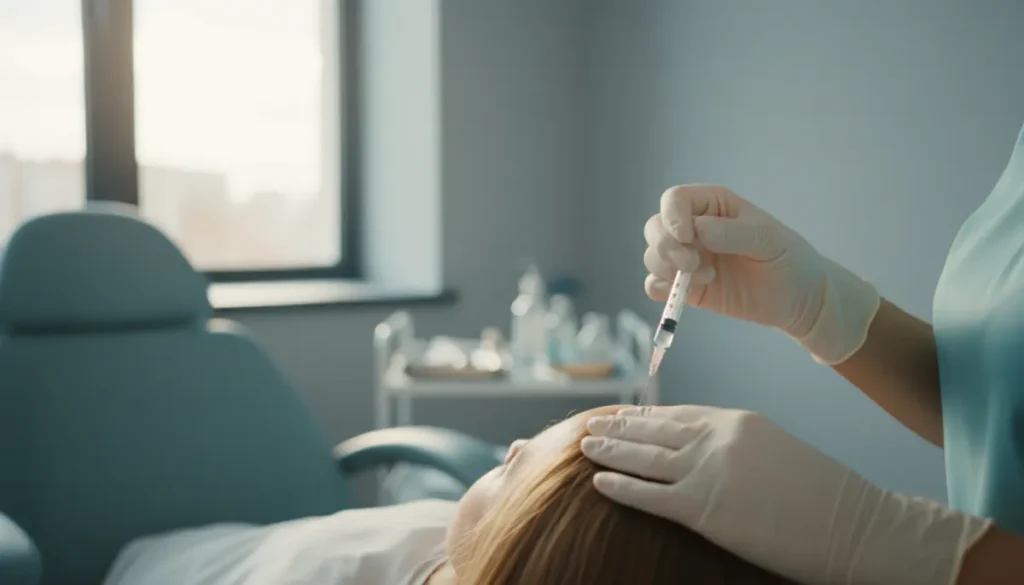
Injection therapies target the root causes of hair loss by delivering active agents directly into the scalp. The two most widely used modalities are corticosteroid injections for autoimmune‑driven alopecia areata and platelet‑rich plasma (PRP) injections that stimulate natural growth cycles.
Corticosteroid Injections
Corticosteroids, such as triamcinolone or kenalog, work by suppressing the inflammatory response that attacks hair follicles. A typical regimen involves a series of 3‑4 monthly scalp shots, each lasting only a few minutes. Patients often notice a reduction in patchy baldness within 6‑8 weeks, though results vary based on disease severity.
- Rapid reduction of inflammation
- Effective for localized alopecia areata
- Possible side effects: skin thinning, temporary discoloration
Platelet‑Rich Plasma (PRP) Injections
PRP therapy uses the patient’s own blood, centrifuged to concentrate platelets, which release growth factors that encourage follicular activity. The protocol usually consists of three sessions spaced four weeks apart, followed by maintenance treatments every 3‑6 months.
- Natural, autologous solution
- Improves hair density and thickness
- Minimal downtime; low risk of allergic reaction
Other emerging options include mesotherapy blends containing vitamins, peptides, and stem‑cell‑derived factors. While research is ongoing, early alopecia injections before and after case series suggest promising improvements in hair volume.
The Treatment Process: From Consultation to Results
Choosing the right injection therapy begins with a thorough medical assessment. During the initial visit, the clinician evaluates the type of alopecia, scalp condition, and any underlying health factors that could influence treatment response.
- Consultation and Diagnosis – Detailed history, scalp examination, and sometimes a biopsy.
- Treatment Planning – Selection of corticosteroid, PRP, or combination based on diagnosis.
- Injection Sessions – Typically 30‑45 minutes per session, performed under local anesthesia if needed.
- Post‑Procedure Care – Gentle washing, avoidance of harsh chemicals, and scheduled follow‑ups.
- Monitoring Progress – Photographic documentation at 4‑week intervals to track alopecia injections before and after changes.
| Aspect | Corticosteroid Injection | PRP Injection |
|---|---|---|
| Primary Goal | Reduce autoimmune inflammation | Stimulate follicular regeneration |
| Typical Sessions | 3‑4 monthly | 3 initial + maintenance |
| Recovery Time | 1‑2 days mild redness | Same‑day return to activities |
| Success Indicators | Decreased patch size, new vellus hairs | Increased hair density, thickness |
Patients who adhere to the schedule and follow post‑procedure guidelines often report visible improvements within three months. However, individual response can differ, making realistic expectations essential.
Real Results: Visualizing Alopecia Injections Before and After
Seeing concrete evidence is often the most persuasive factor for prospective patients. In clinical practice, we document each case with high‑resolution photographs taken under consistent lighting and positioning. This method allows us to compare alopecia injections before and after images side by side, highlighting true progress.
Typical timelines observed in our clinic are:
- Month 1 – Slight reduction in inflammation; early telogen hairs may appear.
- Month 3 – Noticeable increase in hair density; most patients see a 20‑30% improvement.
- Month 6 – Consolidation of new growth; results stabilize, and maintenance protocol begins.
Factors influencing outcomes include the patient’s age, duration of hair loss, and adherence to after‑care instructions. For example, individuals with early‑stage alopecia areata often experience faster regrowth compared with long‑standing cases.
Our visual database, compiled from over 200 treated patients, demonstrates a broad range of successes—from subtle thickening to dramatic restoration of a full hairline. These alopecia injections before and after showcases serve as a realistic benchmark for new patients.
Integrating Injections with Hair Transplant Techniques
Injection therapies are not mutually exclusive with surgical options. In many cases, patients benefit from a combined approach—using injections to prime the scalp before a follicular unit extraction (FUE) or direct hair implantation (DHI) procedure.
Why Combine?
Pre‑treatment with corticosteroids can calm active inflammation, creating a healthier environment for transplanted follicles. Similarly, PRP can improve vascularization, enhancing graft survival and accelerating healing.
- Improved graft uptake
- Reduced postoperative inflammation
- Shortened recovery period
- Potential for higher overall density
Our protocol typically involves two to three PRP sessions spaced two weeks apart before the transplant, followed by a single corticosteroid injection if autoimmune activity is present. After the surgery, a maintenance PRP schedule helps sustain the new growth.
Patients who follow this integrated plan often report superior alopecia injections before and after outcomes, with denser, more natural‑looking hair lines compared to surgery alone.
Choosing the Right Clinic and Managing Expectations
When evaluating where to receive injection therapy, consider the following criteria to ensure safety and optimal results:
- Qualified Professionals – Board‑certified dermatologists or hair restoration surgeons with specific experience in alopecia injections.
- Transparent Protocols – Clear explanation of injection types, dosage, frequency, and potential side effects.
- Documented Outcomes – Access to a portfolio of alopecia injections before and after photographs from real patients.
- Follow‑Up Care – Structured post‑procedure monitoring and support.
- Cost Transparency – Detailed pricing without hidden fees.
Managing expectations is equally important. While many patients experience noticeable improvement, complete regrowth is not guaranteed for every case. Factors such as genetic predisposition, the underlying cause of hair loss, and lifestyle (nutrition, stress management) play significant roles.
By selecting a clinic that prioritizes personalized treatment plans and evidence‑based practice, you increase the likelihood of achieving satisfying alopecia injections before and after results.
Why Choose Gold City Hair
Gold City Hair has been delivering personalized hair restoration solutions in Turkey since 2017. Our team combines extensive experience in FUE, DHI, and advanced injection therapies to create tailored treatment plans that address each patient’s unique needs. Transparency, safety, and measurable results are at the core of our practice, ensuring you receive the highest standard of care from consultation through post‑treatment follow‑up.
Ready to see real alopecia injections before and after transformations? Contact Gold City Hair today to schedule your personalized consultation and start your journey toward renewed confidence.
SSS
What are the most common alopecia injection treatments?
The two most common are corticosteroid injections for alopecia areata and platelet‑rich plasma (PRP) injections.
How does PRP therapy work for hair loss?
PRP uses concentrated platelets from the patient’s blood to release growth factors that stimulate hair follicles.
What timeline can I expect for visible results from injection treatments?
Most patients see early improvements within 6‑8 weeks and noticeable regrowth by three months.
Are there side effects associated with corticosteroid injections for alopecia?
Yes, possible side effects include skin thinning, temporary discoloration, and mild redness.
Can injection therapies be combined with hair transplant procedures?
Yes, combining injections with transplant can improve graft survival and overall density.
How should I choose a clinic for alopecia injections?
Look for board‑certified specialists, transparent protocols, documented before‑and‑after photos, and clear follow‑up care.





