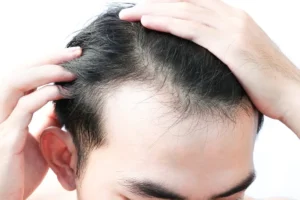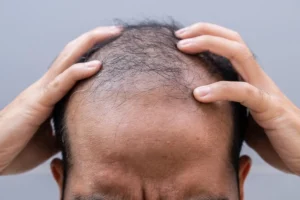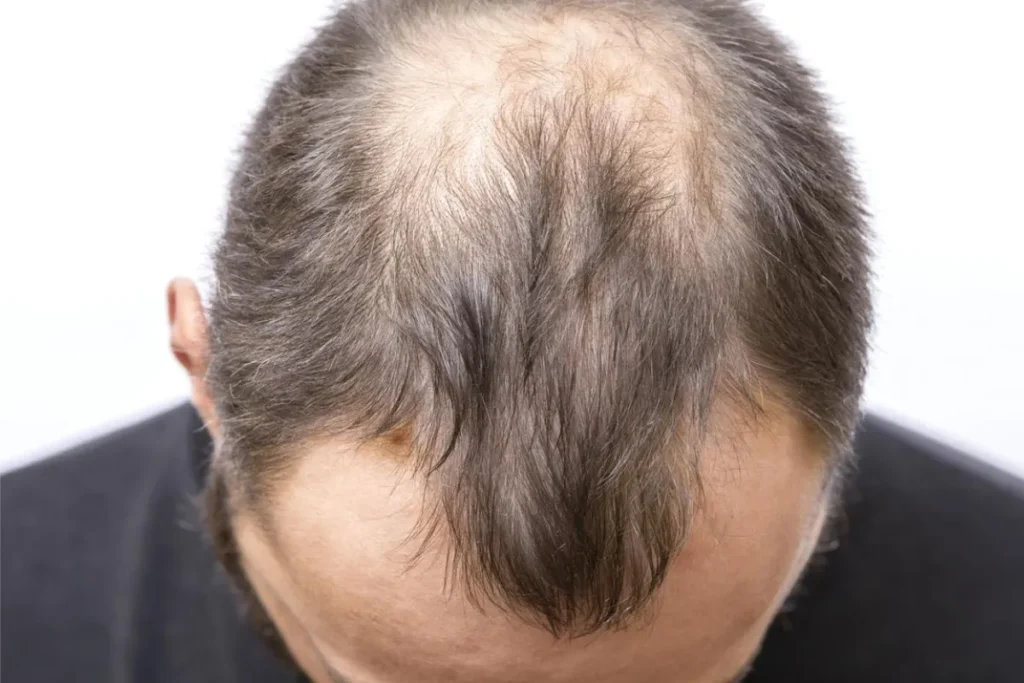
Many people wonder can hair follicles die and what that means for their overall hair health. When follicles stop functioning, hair strands cease to grow, leading to thinning, shedding, and eventually baldness. Understanding the biology behind follicle death helps you recognize early warning signs and take proactive steps to protect your hair.
Hair loss affects up to 80 % of men and women at some point in their lives, and the underlying reasons often involve damage to the hair follicle itself. Whether the cause is genetic, environmental, or related to lifestyle, the outcome is the same: compromised follicle health.
This article explores the hair growth cycle, the most common reasons follicles may die, how to spot the problem early, preventive strategies, and the latest treatment options available at Gold City Hair.
The Hair Growth Cycle and Follicle Health
The human hair follicle is a dynamic mini‑organ that undergoes a continuous cycle of growth (anagen), regression (catagen), and rest (telogen). During anagen, the hair bulb at the base of the follicle produces rapidly dividing cells that become the hair shaft. In catagen, the follicle shrinks, and in telogen, it rests before shedding the hair and restarting the cycle.
Any disruption to this cycle can impair the follicle’s ability to regenerate. Factors such as reduced blood flow, inflammation, or hormonal imbalances can shorten the anagen phase, causing the follicle to enter telogen prematurely. When the follicle’s stem cells are damaged beyond repair, the follicle may become permanently dormant—a condition often described as follicle death.
| Phase | Duration | Key Cellular Activity |
|---|---|---|
| Anagen (Growth) | 2–7 years | Matrix cells divide, hair shaft elongates |
| Catagen (Regression) | 2–3 weeks | Follicle shrinks, lower papilla detaches |
| Telogen (Rest) | 2–4 months | Hair is shed, follicle prepares for new cycle |
Maintaining a healthy cycle is essential because once a follicle loses its regenerative capacity, it cannot produce new hair. This is why early identification of factors that cause follicle death is crucial for effective intervention.
Common Causes of Follicle Damage and Death
Several well‑documented factors can lead to the demise of hair follicles. Understanding these causes helps you avoid or mitigate them.
- Genetic predisposition: Androgen‑sensitive follicles shrink over time, a hallmark of male‑pattern and female‑pattern baldness.
- Hormonal changes: Thyroid disorders, menopause, and elevated dihydrotestosterone (DHT) can shorten the anagen phase.
- Nutrient deficiencies: Lack of iron, zinc, biotin, or protein deprives follicles of essential building blocks.
- Physical trauma: Pulling, tight hairstyles, or repeated friction can physically damage the hair root and surrounding tissue.
- Scalp inflammation: Conditions like seborrheic dermatitis, psoriasis, or fungal infections create an inhospitable environment for follicle cells.
- Environmental stressors: UV radiation, pollution, and harsh chemicals strip the scalp of protective oils, leading to oxidative stress.
- Medical treatments: Chemotherapy, radiation, and certain medications can trigger rapid follicle apoptosis.
When any of these factors persist, they can cause the follicle to enter a state of irreversible miniaturization, effectively answering the question “can hair follicles die?” with a definitive yes.
Signs That Your Follicles May Be Dying
Detecting follicle distress early can make the difference between temporary shedding and permanent loss. Look for the following indicators:
- Gradual thinning of the crown or frontal hairline without obvious breakage.
- Increased hair shedding during washing or brushing—more than 100 strands per day.
- Miniaturized hairs that feel finer and shorter than surrounding strands.
- Scalp itching, redness, or flakiness that persists despite routine care.
- Visible changes in the hair bulb size when examined under a microscope.
These symptoms often accompany underlying issues such as poor circulation, hormonal imbalance, or chronic inflammation. If you notice multiple signs, it is advisable to consult a hair restoration specialist to assess follicle viability.
| Symptom | Possible Underlying Cause | Recommended Action |
|---|---|---|
| Gradual thinning | Genetic DHT sensitivity | Medical evaluation, DHT‑blocking treatment |
| Excess shedding | Nutrient deficiency | Blood tests, dietary supplementation |
| Miniaturized hairs | Chronic inflammation | Topical anti‑inflammatory therapy |
Recognizing these early clues empowers you to intervene before follicles become permanently non‑functional.
Preventive Measures to Protect Hair Follicles
Proactive care can dramatically reduce the risk of follicle death. Incorporate the following habits into your daily routine:
- Balanced nutrition: Ensure adequate intake of protein, iron, zinc, and omega‑3 fatty acids to support keratin production.
- Gentle styling: Avoid tight ponytails, braids, or excessive heat that can pull on the hair root.
- Scalp hygiene: Use mild, sulfate‑free shampoos and regularly exfoliate to keep pores clear.
- Stress management: Chronic stress elevates cortisol, which can disrupt the hair growth cycle.
- UV protection: Wear hats or apply sunscreen formulated for the scalp when outdoors for extended periods.
- Regular medical check‑ups: Screen for thyroid issues, anemia, or hormonal imbalances that affect follicle health.
These preventive steps not only address the question “can hair follicles die?” by reducing risk factors, but they also create an optimal environment for existing follicles to thrive.
Treatment Options When Follicles Are Damaged
If preventive measures are insufficient and follicle damage has occurred, modern medical interventions can restore hair density and stimulate dormant follicles.
Medication‑Based Therapies
Finasteride and topical minoxidil are FDA‑approved treatments that slow DHT‑induced follicle miniaturization and prolong the anagen phase. These agents are most effective when started early, before extensive follicle loss.
Platelet‑Rich Plasma (PRP) Therapy
PRP involves injecting concentrated platelets from your own blood into the scalp. Growth factors released from platelets enhance vascularization and encourage stem cell activity within the follicle niche.
Hair Transplant Techniques
Gold City Hair specializes in Follicular Unit Extraction (FUE) and Direct Hair Implantation (DHI). These methods relocate healthy donor follicles to balding areas, providing a permanent solution for irreversible follicle death.
| Treatment | Mechanism | Typical Results Timeline |
|---|---|---|
| Minoxidil | Vasodilation, prolongs anagen | 3–6 months |
| Finasterid | DHT inhibition | 6–12 months |
| PRP | Growth factor stimulation | 2–4 months per session |
| FUE/DHI Transplant | Relocates viable follicles | 9–12 months for full growth |
Choosing the right combination depends on the extent of follicle loss, your health profile, and personal preferences. A qualified specialist can design a customized plan to maximize regrowth potential.
Why Choose Gold City Hair
Gold City Hair has been delivering personalized hair restoration solutions in Turkey since 2017. Our clinic combines state‑of‑the‑art FUE and DHI techniques with a patient‑first approach, ensuring transparent communication at every step. Whether you are dealing with early‑stage thinning or advanced follicle loss, our experienced team tailors treatments to your unique needs, helping you regain confidence and a natural‑looking hairline.
Ready to protect your hair follicles and restore a fuller look? Contact Gold City Hair today to schedule a personalized consultation and discover the most effective treatment plan for you.
SSS
Can hair follicles die permanently?
Yes, follicles can die permanently if stem cells are irreversibly damaged.
What are the early signs that a follicle is dying?
Gradual thinning, excess shedding, miniaturized hairs, scalp itching, and changes in hair‑bulb size.
How does DHT affect hair follicles?
DHT shortens the anagen phase and miniaturizes follicles, leading to thinning and eventual loss.
What preventive measures can protect hair follicles?
Balanced nutrition, gentle styling, scalp hygiene, stress management, UV protection, and regular health check‑ups.
What medical treatments are available for damaged follicles?
Finasteride, minoxidil, PRP therapy, and hair transplant (FUE/DHI).
Why choose Gold City Hair for hair restoration?
Gold City Hair offers advanced FUE/DHI techniques, personalized care, and a proven track record since 2017.