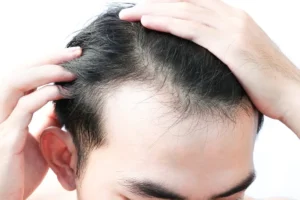
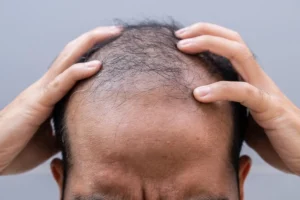
Many patients wonder whether omeprazole hair loss is a real concern or just a myth. As a widely prescribed proton pump inhibitor for acid reflux, omeprazole helps reduce stomach acid, but some users report unexpected changes in hair density. This article examines the scientific evidence, explores how the medication works, and outlines practical steps to minimize any adverse effects on your scalp.
According to clinical observations, up to 5% of long‑term users notice some degree of hair thinning, especially when combined with other risk factors. Understanding the link between the drug and hair health is essential for anyone taking omeprazole for chronic conditions.
We will cover the drug’s mechanism of action, common side effects, factors that may amplify hair loss, management strategies, and when professional hair restoration might be the right solution. By the end, you’ll have a clear picture of what to expect and how to protect your confidence while managing acid‑related disorders.
How Omeprazole Works: Mechanism and Common Uses
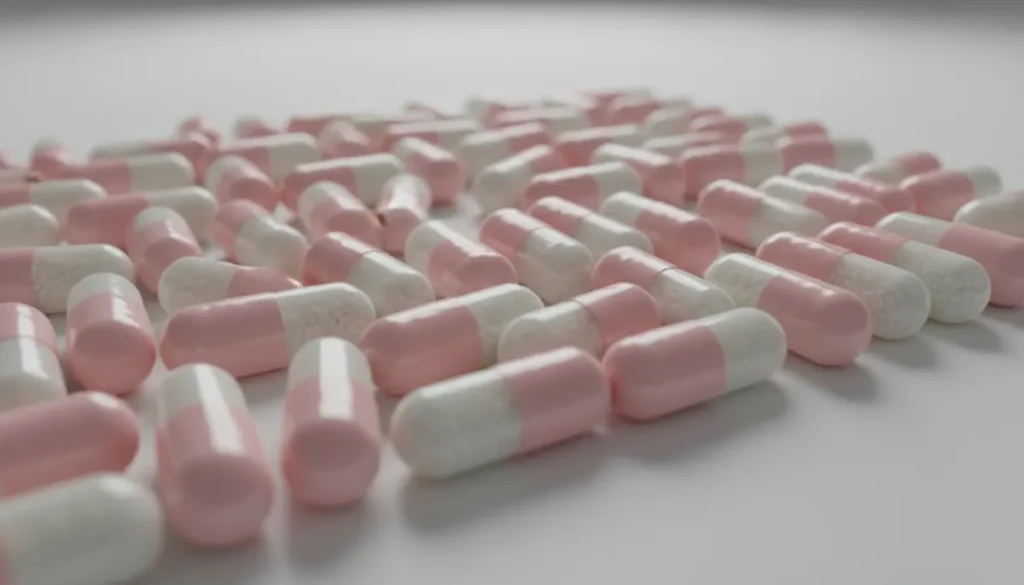
Omeprazole belongs to the class of medications known as proton pump inhibitors (PPIs). It blocks the H+/K+ ATPase enzyme in the stomach lining, effectively reducing the production of gastric acid. This action makes it a first‑line treatment for conditions such as gastroesophageal reflux disease (GERD), peptic ulcers, and Zollinger‑Ellison syndrome.
Typical uses include:
- Relief of heartburn and acid reflux symptoms
- Healing of erosive esophagitis
- Prevention of ulcer recurrence
- Management of H. pylori infection in combination therapy
Below is a concise comparison of common dosage forms and their typical strengths:
| Form | Strength (mg) | Typical Daily Dose |
|---|---|---|
| Capsule | 20 | 20–40 mg once daily |
| Tablet | 40 | 40 mg once daily |
| Oral Suspension | 10 | 10–20 mg once daily |
While omeprazole is generally safe for short‑term use, many patients remain on therapy for months or years, raising questions about long‑term safety, including potential effects on hair follicles.
Reported Side Effects of Omeprazole: Focus on Hair and Scalp
Like any medication, omeprazole side effects can range from mild to severe. Commonly reported issues include headache, nausea, abdominal pain, and vitamin B12 deficiency. Hair‑related concerns, though less frequent, have been documented in post‑marketing surveillance and case reports.
Key hair‑related side effects include:
- Hair thinning or diffuse alopecia
- Dry, itchy scalp
- Reduced hair growth rate
Research suggests that PPIs may interfere with the absorption of nutrients essential for hair health, such as magnesium, zinc, and iron. Additionally, long‑term suppression of stomach acid can affect the gut microbiome, potentially influencing systemic inflammation and hair follicle cycling.
Incidence comparison of selected side effects (based on clinical trial data):
| Side Effect | Incidence (%) | Notes |
|---|---|---|
| Headache | 7.5 | Most common |
| Nausea | 5.2 | Usually mild |
| Hair loss | 1.3 | Rare, more common with long‑term use |
While the overall risk of hair loss is low, individuals with pre‑existing alopecia, nutritional deficiencies, or concurrent use of other hair‑affecting drugs (e.g., wellbutrin) may be more susceptible.
Factors That Influence Hair Loss While Taking Omeprazole
Not everyone on omeprazole experiences hair changes. Several variables can amplify the risk:
Duration of Therapy
Long‑term use (greater than six months) has been linked to higher rates of nutrient malabsorption, which can indirectly affect hair growth cycles.
Concurrent Medications
Drugs such as wellbutrin, certain antihypertensives, and other PPIs may compound the effect on hair follicles. The combination of multiple medications that cause hair loss can increase overall risk.
Underlying Health Conditions
Patients with autoimmune thyroid disease, iron‑deficiency anemia, or chronic gastrointestinal disorders already have a higher baseline risk for alopecia.
Genetik Yatkınlık
Family history of androgenetic alopecia or other forms of hair loss can make individuals more vulnerable to any additional stressor, including medication.
Understanding these factors helps clinicians and patients make informed decisions about continuing therapy versus exploring alternatives.
Managing Hair Loss Risks When Using Omeprazole
If you are concerned about omeprazole hair loss, several proactive steps can help mitigate the risk while still benefiting from acid‑reduction therapy.
- Nutrition Optimization: Supplement with a multivitamin containing zinc, magnesium, iron, and vitamin B12, especially if you are on the medication for more than three months.
- Regular Blood Tests: Monitor levels of B12, iron, and magnesium every six months to catch deficiencies early.
- Alternative Acid‑Reducing Strategies: Consider lifestyle changes (elevating head of bed, avoiding trigger foods) and discuss H2 blockers as a possible switch with your physician.
- Topical Scalp Care: Use gentle, sulfate‑free shampoos and consider topical minoxidil if early thinning is observed.
- Medication Review: Ask your doctor to assess the necessity of concurrent drugs known to cause hair loss, such as certain antidepressants or antihypertensives.
Implementing these measures can preserve scalp health and reduce the likelihood that omeprazole becomes a contributing factor to hair thinning.
When to Seek Professional Hair Restoration Solutions
Despite preventive measures, some individuals may still experience noticeable hair loss. Recognizing when to transition from medical management to restorative treatment is crucial for maintaining confidence and self‑esteem.
Consider consulting a hair restoration specialist if:
- Hair thinning progresses despite nutritional and lifestyle interventions
- Hair loss exceeds 30% of the scalp area within six months of medication use
- You have a history of rapid progression of alopecia
- Psychological distress from hair loss impacts daily life
Modern hair transplant techniques, such as Follicular Unit Extraction (FUE) and Direct Hair Implantation (DHI), offer natural‑looking, long‑lasting results. Below is a brief comparison of popular methods:
| Technique | Key Benefits | Recovery Time | Typical Graft Survival Rate |
|---|---|---|---|
| FUE | Minimally invasive, no linear scar | 7‑10 days | 90‑95% |
| DHI | Direct implantation, higher precision | 5‑8 days | 92‑97% |
| Eyebrow/Beard Transplant | Specialized for facial hair, natural density | 7‑10 days | 93‑98% |
Choosing a reputable clinic ensures personalized treatment planning, transparent communication, and optimal outcomes.
Why Choose Gold City Hair for Your Hair Restoration Journey
Gold City Hair has been delivering personalized hair restoration solutions in Turkey since 2017. Our clinic combines cutting‑edge FUE and DHI techniques with a patient‑first approach, ensuring transparent communication at every step. Whether you are dealing with medication‑related hair loss or seeking a permanent solution, our experienced team tailors each treatment to your unique needs, helping you regain confidence and a natural‑looking hairline.
Ready to restore your hair and confidence? Contact Gold City Hair today to schedule a free, no‑obligation consultation. Take the first step toward a fuller, healthier scalp.
SSS
Can omeprazole cause hair loss?
Yes, omeprazole has been linked to hair thinning in a small percentage of long‑term users.
What percentage of omeprazole users experience hair thinning?
Approximately 1–2% of long‑term users notice some degree of hair thinning.
How does omeprazole affect nutrient absorption related to hair health?
Omeprazole reduces stomach acid, which can impair absorption of minerals like zinc, magnesium, and iron that support hair growth.
What steps can I take to prevent hair loss while on omeprazole?
Optimize nutrition, monitor blood levels, consider alternative meds, and use gentle scalp care.
When should I consider hair restoration treatment if I’m losing hair on omeprazole?
If noticeable thinning persists despite preventive measures and exceeds 30% scalp loss within six months.
Are there alternative medications to omeprazole that have lower risk of hair loss?
Yes, H2 blockers such as ranitidine or famotidine generally have a lower association with hair loss.