Many women wonder is female hair loss reversible and search for answers that can restore both their hair and confidence. Understanding the underlying causes, exploring effective treatments, and choosing the right clinic are essential steps toward a successful outcome. In fact, studies show that up to 40% of women experience noticeable thinning by the age of 50, making this a common yet often misunderstood concern.
This article breaks down the science behind female hair loss, reviews both medical and surgical solutions, and highlights lifestyle changes that support hair regrowth. Whether you are dealing with early signs of thinning or advanced balding, the information here will help you determine if your hair loss can be reversed and what path may work best for you.
We will also explain why a specialized center like Gold City Hair offers personalized care that aligns with the latest advancements in hair restoration, ensuring you receive a transparent and supportive experience from consultation to post‑procedure follow‑up.
Understanding Female Hair Loss: Causes and Types
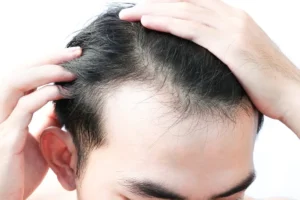
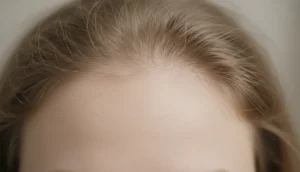
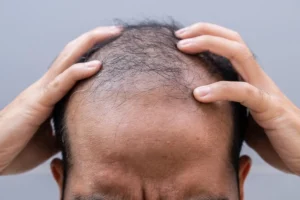
Female hair loss is not a single condition but a spectrum of patterns influenced by genetics, hormones, and environmental factors. The most common form is female pattern hair loss (FPHL), also known as androgenetic alopecia, which typically presents as diffuse thinning over the crown while preserving the frontal hairline. Other types include telogen effluvium, alopecia areata, and scarring alopecia.
Key contributors include:
- Hormonal fluctuations during pregnancy, menopause, or thyroid disorders.
- Genetic predisposition—family history of thinning hair.
- Stressful life events or severe illness triggering telogen effluvium.
- Nutritional deficiencies, especially iron, zinc, and vitamin D.
- Medical treatments such as chemotherapy or certain antidepressants.
Below is a comparison of the most prevalent types of female hair loss, highlighting their primary characteristics and typical progression.
| Type | Pattern | Typical Onset | Reversibility Potential |
|---|---|---|---|
| Female Pattern Hair Loss (FPHL) | Diffuse thinning over crown | Late teens to 40s | Variable; often manageable with treatment |
| Telogen Effluvium | Sudden shedding across scalp | After stress or illness | High; usually regrows within 6‑12 months |
| Alopesi Areata | Patchy, round bald spots | Any age | Moderate; immunomodulatory therapy helps |
| Scarring Alopecia | Permanent loss with scar tissue | Variable | Low; early intervention critical |
Knowing the specific type you are experiencing is the first step in answering the question is female hair loss reversible. Accurate diagnosis guides the selection of the most effective treatment plan.
Medical Treatments and Their Effectiveness
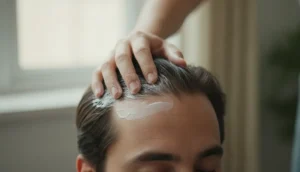
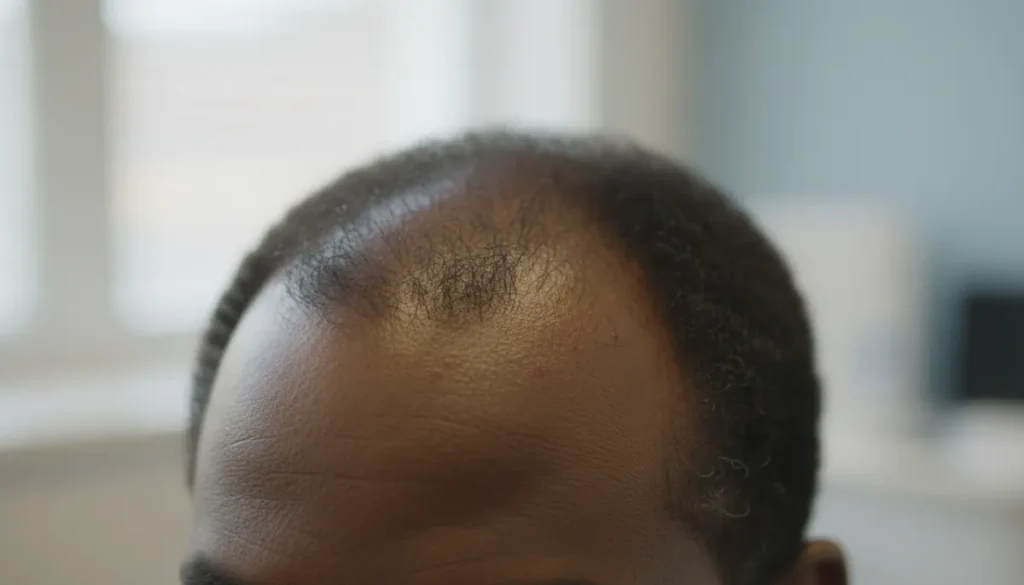
When asking is female hair loss reversible, many turn first to non‑surgical options. Topical minoxidil (2% or 5%) is the only FDA‑approved medication for women and works by prolonging the anagen phase of hair growth. Clinical trials report a 30‑45% increase in hair density after six months of consistent use.
Oral medications can also play a role. While finasteride is primarily prescribed for men, low‑dose formulations have shown promise for post‑menopausal women with androgenetic alopecia, though they require careful monitoring for side effects. Anti‑androgen drugs such as spironolactone and dutasteride are frequently used off‑label to address hormonal contributors.
Additional medical interventions include:
- Platelet‑rich plasma (PRP) injections – stimulate follicles with growth factors.
- Low‑level laser therapy (LLLT) – non‑invasive light treatment that improves cellular metabolism.
- Topical anti‑inflammatory agents – reduce scalp inflammation associated with alopecia areata.
Below is a quick reference for commonly used hair loss products and their typical outcomes.
| Product | Mechanism | Typical Results | Key Considerations |
|---|---|---|---|
| Minoxidil 5% | Vasodilation, follicle stimulation | 30‑45% increase in density (6‑12 months) | Requires twice‑daily application |
| Spironolactone 100 mg | Anti‑androgen | Improved shedding, gradual regrowth | Monitor potassium levels |
| PRP Therapy | Growth factor infusion | 10‑20% thickness gain after 3‑4 sessions | Costly, requires clinic visits |
| LLLT Helmet | Photobiomodulation | Modest increase in shaft diameter | Consistent use needed |
While medical treatments can significantly improve hair density, they often require long‑term commitment. For many women, the question is female hair loss reversible is answered positively when these therapies are combined with proper scalp care and lifestyle adjustments.
Surgical Options: Hair Transplant for Women
When medical therapies alone do not achieve the desired density, many ask whether is female hair loss reversible through surgical means. Modern hair transplantation techniques—particularly Follicular Unit Extraction (FUE) and Direct Hair Implantation (DHI)—offer reliable, permanent solutions for women with stable hair loss patterns.
FUE involves harvesting individual follicular units from a donor area (usually the back of the scalp) and implanting them into thinning zones. DHI uses a specialized implanter pen that allows for precise depth control and higher graft survival rates. Both methods produce natural‑looking results with minimal scarring, making them suitable for women who prefer short hairstyles.
Key considerations for female hair transplant candidates include:
- Confirmed diagnosis of a non‑progressive pattern (e.g., FPHL).
- Adequate donor density to supply sufficient grafts.
- Realistic expectations regarding coverage and timeline.
The table below outlines the primary differences between FUE and DHI for female patients.
| Feature | FUE | DHI |
|---|---|---|
| Extraction Method | Individual punch extraction | Direct implantation without prior site creation |
| Graft Survival Rate | ~90% | ~95% |
| Procedure Time | 6‑8 hours for 1500 grafts | 5‑7 hours for 1500 grafts |
| Post‑Op Downtime | 2‑3 days of mild swelling | 1‑2 days of mild swelling |
Patients who undergo a successful transplant often report a lasting improvement in self‑esteem, confirming that for many women, the answer to is female hair loss reversible is a definitive “yes” when surgical options are appropriately applied.
Lifestyle, Nutrition, and Non‑Medical Strategies
Even if you have explored medical and surgical avenues, lifestyle factors play a crucial role in answering is female hair loss reversible. A balanced diet rich in essential nutrients supports follicle health and can enhance the outcomes of other treatments.
Key nutrients include:
- Biotin – promotes keratin production.
- Iron – deficiency is a leading cause of diffuse thinning.
- Vitamin D – modulates the hair growth cycle.
- Omega‑3 fatty acids – reduce inflammation.
In addition to diet, the following habits contribute to healthier hair:
- Gentle hair care: avoid tight ponytails, harsh chemicals, and excessive heat.
- Stress management: practice yoga, meditation, or regular exercise.
- Scalp massage: stimulates blood flow and can improve graft survival post‑transplant.
Supplements marketed as “best hair growth products” often combine these vitamins and minerals, but it is advisable to consult a healthcare professional before starting any regimen, especially if you are already using prescription treatments.
When these lifestyle adjustments are integrated with clinical interventions, many women experience measurable regrowth, reinforcing the notion that female hair loss can indeed be reversible under the right conditions.
What to Expect During Your Hair Restoration Journey
Embarking on a hair restoration plan involves several stages, each designed to maximize the likelihood that the answer to is female hair loss reversible will be a positive one. The typical pathway includes:
Initial Consultation and Diagnosis
A thorough examination, including medical history, blood tests, and possibly a scalp biopsy, helps identify the exact cause of thinning.
Customized Treatment Planning
Based on the diagnosis, a tailored regimen is created—ranging from topical minoxidil and nutritional support to surgical transplantation.
Implementation Phase
Patients begin the prescribed medical regimen, attend scheduled PRP or laser sessions, or prepare for a transplant procedure.
Follow‑Up and Maintenance
Regular follow‑up appointments monitor progress, adjust medications, and ensure grafts are thriving after surgery.
Transparent communication throughout each step ensures realistic expectations and optimal results, ultimately confirming that many women can achieve lasting hair regrowth.
Why Choose Gold City Hair
Gold City Hair has been a trusted hair transplant center in Turkey since 2017, offering state‑of‑the‑art FUE and DHI techniques for both men and women. Our team prioritizes personalized care, providing detailed consultations, transparent treatment plans, and dedicated post‑procedure support. With a focus on natural‑looking results and patient confidence, we combine advanced technology with a compassionate approach, making us a reliable partner in your journey to reverse female hair loss.
Ready to discover if your hair loss is reversible? Contact Gold City Hair today for a free, no‑obligation consultation and take the first step toward renewed confidence.
Our experts will evaluate your unique situation and design a customized plan that fits your goals and lifestyle.
SSS
Is female hair loss reversible?
Yes, many forms of female hair loss can be reversed or significantly improved with proper treatment.
What are the most common causes of hair loss in women?
The main causes include hormonal changes, genetics, stress, nutritional deficiencies, and certain medical treatments.
Which medical treatments are effective for female hair loss?
Topical minoxidil, oral anti‑androgens, PRP injections, and low‑level laser therapy are the most evidence‑based options.
What surgical options are available for women with hair loss?
Follicular Unit Extraction (FUE) and Direct Hair Implantation (DHI) are the leading surgical techniques for women.
How does lifestyle affect hair regrowth in women?
A balanced diet, stress management, gentle hair care, and scalp stimulation can enhance treatment outcomes.
What can I expect during a hair transplant procedure?
The process includes a consultation, graft extraction, implantation, and a short recovery period with mild swelling.
Can hair loss be prevented with nutrition and supplements?
Proper nutrition can reduce the risk of thinning, but supplements should complement, not replace, medical advice.
How long does it take to see results from minoxidil?
Visible improvement typically appears after 4‑6 months of consistent twice‑daily use.