Hair transplant surgery recovery is a crucial phase that determines the success of your new follicles and overall satisfaction with the procedure. Whether you chose follicular unit extraction (FUE), direct hair implantation (DHI), or another advanced method, the days and weeks that follow the operation require careful attention to hygiene, nutrition, and activity levels. A smooth recovery minimizes discomfort, reduces the risk of infection, and sets the stage for optimal hair growth.
According to recent clinical observations, more than 80% of patients who follow a structured post‑operative plan experience faster healing and better graft survival. This article walks you through each stage of the recovery journey, offering practical tips, timelines, and answers to common concerns. By understanding what to expect, you can approach the process with confidence and achieve the natural, lasting results you desire.
We will explore the immediate post‑operative period, essential scalp care routines, nutritional support, the typical timeline for new hair emergence, and signs that warrant professional attention. Let’s begin the path to a healthier scalp and fuller hair.
What to Expect in the First Week After Surgery
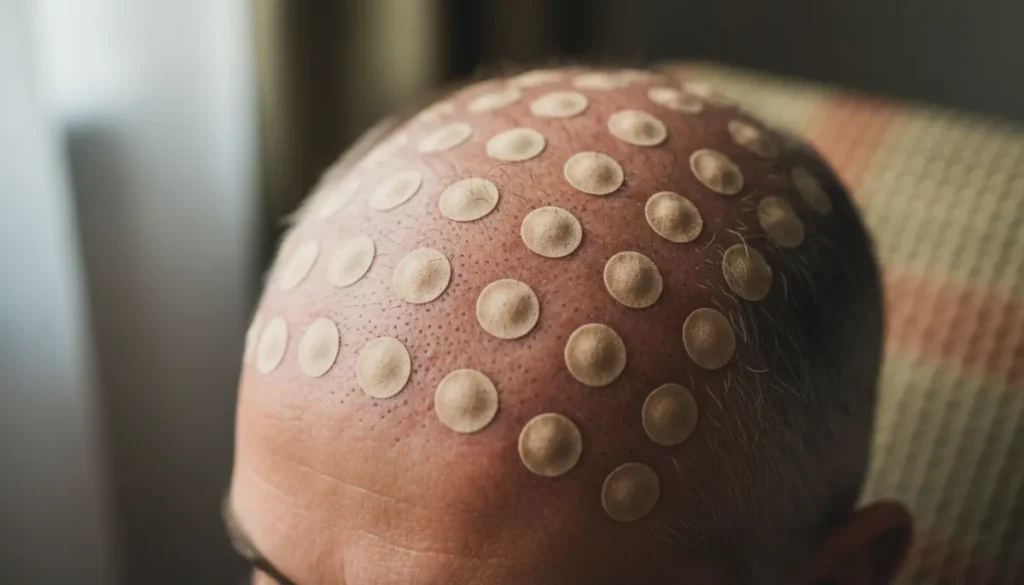
The initial seven days set the foundation for graft survival. Most patients report mild swelling, redness, and tiny scabs where grafts were placed. These symptoms are normal and typically subside within 3–5 days. During this period, your surgeon may prescribe antibiotics, anti‑inflammatory medication, and a gentle shampoo to keep the area clean.
Key milestones in the first week include:
-
- Day 1–2: Rest, keep the head elevated, and avoid touching the grafts.
- Day 3–4: Begin gentle washing with a prescribed mild shampoo; avoid direct water pressure on the transplanted zone.
li>Day 5–7: Scabs start to fall off naturally; any itching should be soothed with recommended ointments.
It is essential to protect the transplanted area from sunlight and excessive heat. Wearing a loose‑fitting hat made of breathable fabric can shield the scalp without causing friction.
| Day | Typical Sensation | Recommended Action |
|---|---|---|
| 1‑2 | Mild swelling, tightness | Keep head elevated, apply cold compresses as advised |
| 3‑4 | Redness, small crusts | Start gentle washing, avoid rubbing |
| 5‑7 | Itching, crust shedding | Use prescribed soothing lotion, avoid picking |
Following these guidelines helps ensure that the hair grafts remain undisturbed, promoting optimal attachment and early nourishment.
Managing Scalp Care and Hygiene During Recovery
Maintaining a clean scalp is vital to prevent infection and support graft integration. The recommended hair transplant procedure typically includes a post‑operative care kit containing a mild, sulfate‑free shampoo, a soft brush, and an antibacterial spray.
Here’s a step‑by‑step routine you can adopt from day three onward:
- Prepare the solution: Mix the prescribed shampoo with lukewarm water (not hot).
- Gentle application: Using the soft brush, lightly dab the shampoo onto the graft area without rubbing.
- Rinse carefully: Allow water to flow over the scalp from a low angle; avoid direct pressure.
- Pat dry: Use a clean, soft towel to pat the area dry; do not rub.
- Apply antibacterial spray: Follow the surgeon’s instructions regarding frequency.
For patients who underwent direct hair implantation (DHI), the grafts are typically placed at a slightly deeper angle, making the scalp slightly more sensitive. In such cases, extra caution during washing is advised.
Additional hygiene tips:
- Do not use hair dryers on high heat; a cool or low setting is safe.
- Avoid hair styling products (gel, mousse) for at least four weeks.
- Sleep on a clean pillowcase and change it regularly.
Adhering to these practices reduces the risk of folliculitis and encourages a smoother recovery timeline.
Nutrition and Lifestyle Tips to Support Healing
What you eat directly influences the speed and quality of tissue repair. Hair follicles require a steady supply of protein, iron, zinc, and vitamins A, C, and E to thrive after transplantation.
Key nutritional components for optimal recovery:
| Nutrient | Why It Matters | Food Sources |
|---|---|---|
| Protein | Provides building blocks for new hair shafts | Lean meat, fish, legumes, dairy |
| Iron | Improves blood oxygenation to grafts | Spinach, red meat, lentils |
| Zinc | Supports cell division and tissue repair | Pumpkin seeds, oysters, nuts |
| Vitamin C | Boosts collagen production | Citrus fruits, berries, bell peppers |
| Omega‑3 Fatty Acids | Reduces inflammation | Salmon, flaxseed, walnuts |
Hydration is equally important; aim for at least 2‑3 liters of water daily to keep the scalp moist and facilitate nutrient transport.
Beyond diet, lifestyle choices can accelerate healing:
- Avoid smoking: Nicotine constricts blood vessels, limiting graft nourishment.
- Limit alcohol: Excess alcohol can impair liver function, slowing tissue regeneration.
- Moderate exercise: Light walking after the first 48 hours improves circulation, but avoid heavy lifting or intense cardio for at least two weeks.
By integrating these habits, you create an internal environment that supports robust hair growth and reduces recovery complications.
Timeline of Hair Growth and When Results Appear
Understanding the hair transplant recovery timeline helps set realistic expectations and reduces anxiety. While individual experiences vary, most patients follow a similar pattern of shedding, dormant phase, and new growth.
Month‑by‑Month Overview
- Weeks 1‑2: Scabs fall off; any transplanted hairs may shed (known as “shock loss”). This is normal and temporary.
- Weeks 3‑4: The dormant phase begins; follicles are establishing blood supply but visible growth is minimal.
- Months 2‑4: Fine, soft hairs start to emerge. They may appear thin and colorless at first.
- Months 5‑8: Hair thickens, darkens, and aligns with surrounding native hair. Most patients notice a visible improvement.
- Months 9‑12: Final maturation; hair reaches full length and natural density.
Patience is key. The follicular unit extraction (FUE) ve DHI techniques both follow this general timeline, though DHI may show slightly earlier emergence due to the precise implantation depth.
For those tracking progress, a simple photographic journal taken weekly can highlight subtle changes and provide motivation. Remember, full results are typically evident by the one‑year mark.
Common Concerns and When to Seek Professional Help
While most recoveries are smooth, certain signs warrant immediate attention to avoid complications that could affect graft survival.
Red flags during recovery
| Symptom | Possible Cause | Recommended Action |
|---|---|---|
| Severe pain or throbbing after the first week | Infection or inflammation | Contact your surgeon promptly |
| Excessive swelling beyond 48‑72 hours | Allergic reaction | Seek medical advice |
| Yellowish or foul‑smelling discharge | Infection | Urgent evaluation needed |
| Unusual hair loss beyond expected shock loss | Graft rejection | Schedule a follow‑up |
| Persistent itching with rash | Contact dermatitis | Use prescribed topical treatment |
Other common queries include:
- “How long is recovery from hair transplant surgery?” – Typically 7‑10 days for basic activities, with full aesthetic results emerging over 12‑18 months.
- “Can I resume work after the procedure?” – Most patients return to desk jobs within 2‑3 days, while physically demanding roles may require 10‑14 days of rest.
- “Will the transplanted hair look natural?” – When performed by experienced specialists using FUE or DHI, the hair direction and angle are meticulously planned for a natural appearance.
Maintaining open communication with your clinic ensures any issues are addressed quickly, preserving the integrity of the transplant.
Why Choose Gold City Hair
Gold City Hair has been delivering personalized hair restoration solutions in Turkey since 2017. Our clinic combines state‑of‑the‑art FUE and DHI techniques with a transparent, patient‑focused approach. Each treatment plan is tailored to the individual’s hair loss pattern, ensuring natural‑looking density and long‑lasting confidence. Our experienced medical team guides you through every step—from pre‑operative assessment to post‑operative care—providing the expertise and support needed for a successful recovery.
Ready to start your journey toward fuller, healthier hair? Contact Gold City Hair today to schedule a free consultation and receive a customized recovery plan designed just for you.
SSS
How long is recovery from hair transplant surgery?
Recovery for basic daily activities usually takes 7‑10 days, while full aesthetic results develop over 12‑18 months.
Can I resume work after the procedure?
Yes, most people return to light office work within 2‑3 days, but strenuous jobs need longer downtime.
What should I do to care for my scalp in the first week?
Keep the head elevated, avoid touching grafts, use prescribed mild shampoo, and protect the scalp from sun and heat.
When will I see new hair growth after a transplant?
Visible new hairs usually appear between 2 and 4 months, with noticeable thickening by 6‑8 months.
What are signs of infection after a hair transplant and when should I contact my surgeon?
Severe pain, excessive swelling, yellowish discharge, or foul odor indicate infection and require immediate medical attention.