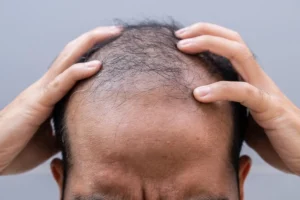
Many people notice that their stress hair situation worsens during periods of high pressure, but the connection is often misunderstood. This article explains why stress can trigger hair loss, what symptoms to watch for, and how you can protect and restore your hair. In fact, studies show that up to 40% of temporary hair shedding cases are linked to emotional or physical stressors.
We will explore the biological mechanisms behind stress‑induced shedding, differentiate it from other forms of hair loss, and outline practical steps you can take today. Whether you are dealing with a few extra strands in the shower or noticeable thinning on the scalp, understanding the root cause is the first step toward recovery.
Finally, we’ll discuss when medical intervention, such as a hair transplant, becomes a viable option and how Gold City Hair can guide you through a personalized treatment plan.
How Stress Triggers Hair Loss: The Science Behind Telogen Effluvium
When the body experiences chronic pressure, the hormonal balance shifts dramatically. Elevated cortisol levels interfere with the normal hair growth cycle, pushing a larger proportion of follicles into the resting telogen phase. This phenomenon is known as telogen effluvium, a form of hair loss that typically appears 2–3 months after the stressful event.
Key physiological steps include:
- Hormonal disruption: Cortisol and adrenaline suppress the anagen (growth) phase.
- Inflammatory response: Stress‑induced inflammation can damage follicular stem cells.
- Nutrient diversion: The body prioritizes vital organs over hair, reducing nutrient supply to follicles.
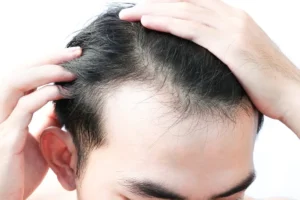
These changes result in diffuse shedding, often described as “hair coming out in clumps” or “hair falling out in clumps.” Unlike pattern baldness, the hair loss is usually uniform across the scalp, especially on the top of the head.
While telogen effluvium is typically reversible, the duration varies. In most cases, shedding subsides within six months once the stressor is removed, but chronic stress can lead to chronic telogen effluvium, prolonging the problem.

Recognizing the Signs: Symptoms of Stress‑Related Hair Shedding
Identifying stress‑induced hair loss early can prevent unnecessary worry and allow timely intervention. Common symptoms include:
| Symptom | Typical Onset | What It Indicates |
|---|---|---|
| Diffuse thinning on the crown | 2–3 months after stress event | Telogen effluvium |
| Hair shedding during washing or brushing | Gradual increase over weeks | Hair loss telogen phase |
| Increased shedding of longer hairs | Concurrent with new growth slowdown | Hair follicle cycle disruption |
Other clues may be subtle, such as a feeling of “hair coming out in clumps” when you run your fingers through your hair, or noticing more hair on your pillow in the morning. If you experience sudden, patchy loss or bald spots, it may be a different condition like alopecia areata, and professional evaluation is advised.
It’s also worth noting that stress can affect hair quality, leading to brittleness, split ends, and a dull appearance. This is often reported as “hair moulting” or “hair are falling” in everyday language.
Managing Stress to Prevent Hair Loss: Lifestyle and Treatment Strategies
Addressing the root cause—stress—is essential for both short‑term relief and long‑term hair health. Below are evidence‑based strategies that have shown success in reducing stress hair loss:
- Mind‑body techniques: Practices such as meditation, deep‑breathing exercises, and yoga lower cortisol levels. A 12‑week mindfulness program reduced perceived stress scores by 30% in a clinical trial.
- Regular physical activity: Moderate aerobic exercise improves blood circulation to the scalp and promotes hormone balance.
- Sleep hygiene: Aim for 7–9 hours of quality sleep; poor sleep amplifies stress hormones.
- Balanced nutrition: Ensure adequate intake of protein, iron, zinc, and B‑vitamins, which are crucial for hair growth.
- Stress‑reduction supplements: Adaptogenic herbs like ashwagandha and rhodiola have demonstrated cortisol‑lowering effects.
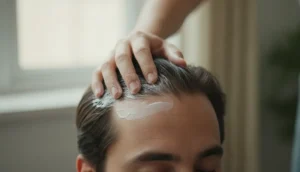
In addition to lifestyle changes, topical treatments can support regrowth during the recovery phase. Products containing minoxidil, biotin, and peptides may accelerate the shift from telogen back to anagen. However, these should be used under professional guidance to avoid irritation.
For those experiencing severe or persistent shedding, consulting a dermatologist or a hair restoration specialist is recommended. Early intervention can prevent the transition from temporary shedding to permanent thinning.
Medical Options for Stress‑Induced Hair Loss: From Topical Treatments to Transplant
When lifestyle adjustments are insufficient, medical interventions can provide a faster path to regrowth. The following options are commonly considered for stress‑related shedding:
- Topical minoxidil: Increases blood flow to follicles and prolongs the anagen phase. Typically applied twice daily.
- Oral finasteride (for men): Reduces dihydrotestosterone (DHT) levels, which can exacerbate thinning when combined with stress.
- Platelet‑rich plasma (PRP): Autologous injections stimulate follicular activity and reduce inflammation.
- Low‑level laser therapy (LLLT): Non‑invasive light treatment that enhances cellular metabolism in the scalp.
- Hair transplant surgery: For cases where follicles have permanently miniaturized, procedures such as FUE (Follicular Unit Extraction) or DHI (Direct Hair Implantation) provide lasting density.
Gold City Hair specializes in advanced transplant techniques, offering a personalized approach that assesses your donor area, hair characteristics, and aesthetic goals. Even if you are currently experiencing stress‑related shedding, a thorough evaluation can determine whether a transplant is advisable now or after the hair cycle stabilizes.
It is important to note that treating the underlying stress remains essential; a transplant does not protect against future stress‑induced loss unless the stressors are managed.
Long‑Term Outlook: Recovery Timeline and When to Seek Professional Help
Recovery from stress‑related hair loss follows a predictable timeline for most individuals. The general phases are:
- Acute shedding phase (0–3 months): Rapid loss of telogen hairs.
- Stabilization phase (3–6 months): Shedding slows as cortisol levels normalize.
- Regrowth phase (6–12 months): New anagen hairs emerge, often finer at first.
- Full recovery (12+ months): Hair density returns to baseline if stress is well‑managed.
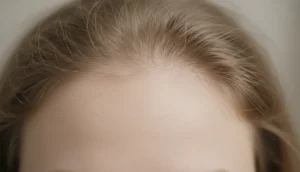
If you notice no improvement after six months of stress management and supportive treatments, it may be time to consult a specialist. Persistent shedding, widening part lines, or noticeable thinning on the crown are indicators that professional evaluation is warranted.
Gold City Hair offers comprehensive diagnostic services, including scalp analysis and blood work, to identify any additional factors such as hormonal imbalances or nutritional deficiencies that could be compounding the stress effect.
Why Choose Gold City Hair
Gold City Hair has been delivering personalized hair restoration solutions in Turkey since 2017. Our team combines expertise in FUE, DHI, and eyebrow/beard transplants with transparent communication, ensuring every patient receives a treatment plan tailored to their unique needs. Whether you are addressing stress‑related shedding or seeking a permanent solution, our state‑of‑the‑art clinic and experienced surgeons provide safe, effective results that restore confidence.
Ready to reclaim a fuller, healthier head of hair? Contact Gold City Hair today for a confidential consultation and discover the best path forward for your stress‑related hair concerns.
Take the first step toward lasting confidence—schedule your appointment now.
SSS
What is stress hair loss and how does it happen?
Stress hair loss, often called telogen effluvium, occurs when high stress pushes hair follicles into the resting telogen phase, causing increased shedding.
How can I tell if my hair shedding is caused by stress?
Look for diffuse thinning, shedding during washing, and a timeline of 2–3 months after a stressful event; sudden patchy loss may indicate another condition.
What lifestyle changes can help prevent stress‑induced hair loss?
Adopt mind‑body practices, regular exercise, good sleep, balanced nutrition, and stress‑reducing supplements.
Are there medical treatments for stress‑related hair loss?
Yes, options include topical minoxidil, oral finasteride (for men), PRP injections, low‑level laser therapy, and hair transplant in severe cases.
When should I consider a hair transplant for stress‑related shedding?
If shedding persists beyond six months despite stress management and medical therapy, or if density loss is permanent, a transplant may be appropriate.
How long does it take for hair to recover after a stressful event?
Recovery usually follows a 0–12+ month timeline: acute shedding (0‑3 months), stabilization (3‑6 months), regrowth (6‑12 months), and full density after a year.