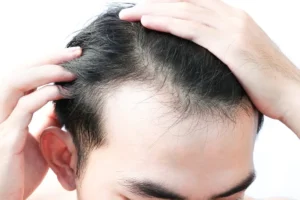
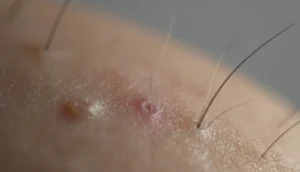
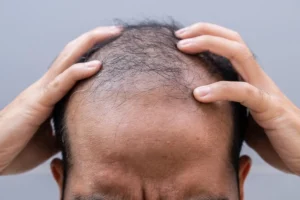
When you search for labs for hair loss female, you’re looking for a place that can pinpoint the cause of thinning hair and guide you toward effective solutions. Understanding why hair falls out is the first step toward regaining confidence and a fuller head of hair. In fact, up to 40% of women experience noticeable hair thinning by the age of 40, yet many remain unaware of the underlying medical factors.
This article explains the science behind female hair loss, the diagnostic tools offered by reputable laboratories, and how to evaluate a lab’s credibility. Whether you’re dealing with sudden shedding, gradual thinning, or patchy bald spots, the right lab tests can reveal hormonal imbalances, nutritional deficiencies, or autoimmune conditions that drive the problem.
We’ll walk you through the most common tests, interpret typical results, and show how these findings integrate with advanced treatments such as FUE or DHI hair transplantation at Gold City Hair. By the end, you’ll know exactly what to expect from a professional hair‑loss lab and how to use that information to choose the best restoration path.
Understanding Female Hair Loss: Causes and Types
Women experience hair loss for a variety of reasons, and each cause requires a specific diagnostic approach. The most prevalent forms include hormonal shifts, nutritional gaps, stress‑related shedding, and genetic predisposition. Recognizing the pattern of loss—whether diffuse thinning across the scalp or localized bald patches—helps clinicians decide which lab tests are essential.
Key causes of female hair loss:
- Hormonal changes: menopause, polycystic ovary syndrome (PCOS), thyroid disorders.
- Nutrient deficiencies: iron, vitamin D, zinc, and biotin.
- Autoimmune conditions: alopecia areata, lupus.
- Stress and trauma: telogen effluvium after surgery, illness, or severe emotional stress.
- Genetic factors: female pattern hair loss (androgenic alopecia).
Each of these categories can be identified through targeted laboratory analysis. For example, a simple blood panel can reveal iron deficiency anemia, while a hormone panel can detect elevated androgen levels that contribute to androgenic alopecia. Understanding the underlying cause is crucial because it determines whether medical therapy, lifestyle changes, or surgical intervention will be most effective.
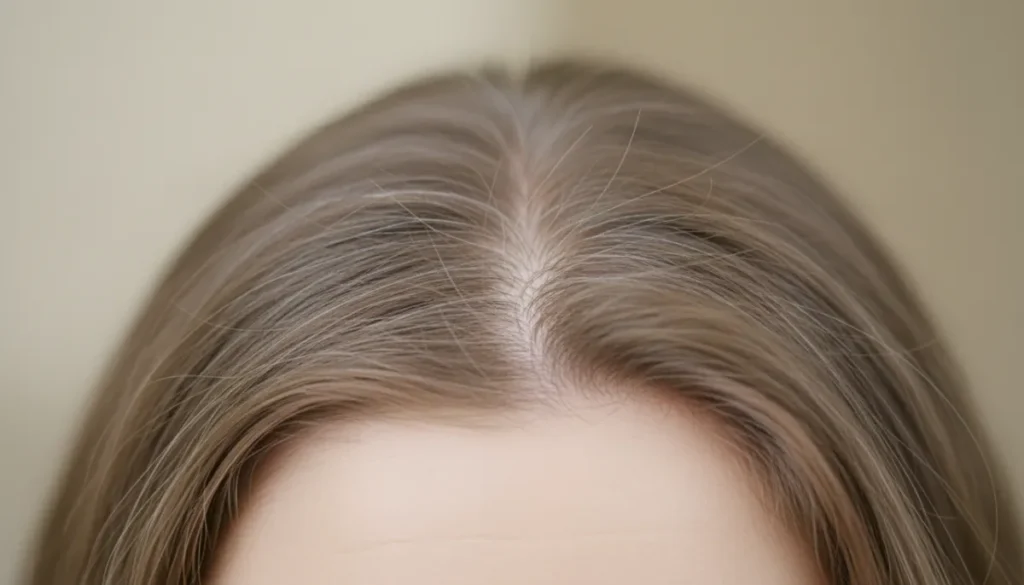
What Labs Offer for Hair Loss Diagnosis
Specialized labs for hair loss female provide a suite of tests designed to uncover the biological triggers behind shedding. These facilities combine standard blood work with advanced scalp analyses, ensuring a comprehensive picture of hair health.
Typical diagnostic tests include:
- Complete Blood Count (CBC) – screens for anemia and overall health.
- Ferritin and Iron Studies – detect iron deficiency, a leading cause of telogen effluvium.
- Thyroid Panel – evaluates TSH, Free T3, and Free T4 levels for hypothyroidism or hyperthyroidism.
- Hormone Profile – measures estrogen, progesterone, testosterone, DHEA‑S, and prolactin.
- Vitamin D and B12 Levels – assess deficiencies that affect follicle cycling.
- Autoimmune Markers – ANA, anti‑dsDNA, and other antibodies for conditions like lupus.
- Scalp Biopsy – microscopic examination of hair follicles to differentiate scarring from non‑scarring alopecia.
Many labs also provide trichoscopy, a non‑invasive imaging technique that magnifies the scalp to reveal follicular density, miniaturization, and inflammation. This visual data, combined with laboratory results, enables dermatologists and hair‑restoration specialists to craft a personalized treatment plan.
How to Choose a Reliable Lab: Criteria and Red Flags
Selecting the right laboratory is as important as the tests themselves. A trustworthy lab adheres to strict quality standards, employs certified specialists, and offers transparent reporting. Below is a quick comparison to help you evaluate potential providers.
| Criterion | What to Look For | Red Flag |
|---|---|---|
| Accreditation | ISO 15189 or CAP certification | No listed accreditation |
| Specialist Staff | Board‑certified dermatologists or trichologists | General lab technicians only |
| Test Portfolio | Comprehensive hormone, nutrient, and autoimmune panels | Limited to basic CBC only |
| Result Turnaround | 7‑10 business days for full panel | Weeks without clear timeline |
| Patient Support | Consultation to explain results | No follow‑up communication |
Other factors to consider include privacy policies, cost transparency, and whether the lab offers online portals for easy access to results. A reliable lab will also coordinate with your hair‑restoration clinic, ensuring that the diagnostic data seamlessly informs treatment decisions.
Interpreting Lab Results: From Numbers to Treatment Plans
Once you receive your lab report, the next step is translating the numbers into actionable steps. Below is a simplified guide to common findings and the typical interventions they suggest.
- Low Ferritin (<30 ng/mL) – Oral iron supplementation, dietary changes, and possibly intravenous iron for rapid correction.
- Elevated Testosterone or DHEA‑S – Anti‑androgen therapy (e.g., spironolactone), lifestyle modifications, and monitoring by an endocrinologist.
- Thyroid Imbalance (TSH >4.0 µIU/mL) – Thyroid hormone replacement or antithyroid medication, depending on hypo‑ or hyperthyroidism.
- Vitamin D Deficiency (<20 ng/mL) – High‑dose vitamin D3 supplementation and safe sun exposure.
- Positive Autoimmune Markers – Referral to a rheumatologist, immunosuppressive therapy, and targeted scalp treatments.
These medical interventions can be combined with hair‑restoration procedures. For example, correcting iron deficiency before undergoing a follicular unit extraction (FUE) transplant improves graft survival. Similarly, stabilizing thyroid function reduces the risk of post‑procedure shedding.
Integrating Lab Findings with Advanced Hair Restoration
Gold City Hair combines diagnostic precision with state‑of‑the‑art transplant techniques. After your lab results identify the root cause, our specialists tailor a treatment plan that may include medical therapy, lifestyle counseling, and surgical options such as FUE or DHI.
Step‑by‑step integration process:
- Review lab report with a board‑certified dermatologist.
- Address any correctable deficiencies (iron, vitamin D, hormones).
- Stabilize autoimmune or thyroid conditions with appropriate medication.
- Schedule a personalized transplant consultation, using trichoscopy images to map donor and recipient zones.
- Perform the transplant using minimally invasive FUE or DHI methods, ensuring graft viability.
- Follow up with post‑operative care, including topical treatments that complement the corrected lab values.
This holistic approach maximizes the success rate of hair restoration and minimizes the chance of future hair loss recurrence. By starting with accurate lab diagnostics, you empower your clinicians to deliver lasting, natural‑looking results.
Why Choose Gold City Hair
At Gold City Hair, we have been delivering personalized hair restoration solutions since 2017. Our team combines expert medical assessment with cutting‑edge FUE and DHI techniques, ensuring each patient receives a treatment plan rooted in precise laboratory data. Transparency, individualized care, and a commitment to lasting results set us apart as a trusted destination for women seeking to overcome hair loss.
Ready to take the first step toward healthier, fuller hair? Contact Gold City Hair today to schedule your comprehensive lab evaluation and discover a customized restoration plan that works for you.
SSS
What tests are typically offered by labs for female hair loss?
Common labs include CBC, ferritin, iron studies, thyroid panel, hormone profile, vitamin D/B12 levels, autoimmune markers, and scalp biopsy.
How can I determine if a hair‑loss lab is reliable?
Look for ISO 15189 or CAP accreditation, board‑certified staff, a comprehensive test portfolio, clear turnaround times, and patient support.
What does a low ferritin level indicate for hair loss?
Low ferritin (<30 ng/mL) suggests iron deficiency, which can cause diffuse thinning and telogen effluvium.
Why is a hormone profile important in diagnosing female hair loss?
Hormone imbalances like elevated testosterone or DHEA‑S can trigger androgenic alopecia and other thinning patterns.
Can lab results improve the success of a hair transplant?
Yes, correcting deficiencies and hormonal issues before surgery enhances graft viability and reduces post‑procedure shedding.
What is trichoscopy and how does it help diagnose hair loss?
Trichoscopy is a non‑invasive scalp imaging technique that visualizes follicle density, miniaturization, and inflammation.
How often should I repeat blood work for ongoing hair‑loss monitoring?
Re‑testing every 3‑6 months is typical, especially after initiating treatment for identified deficiencies or hormonal imbalances.