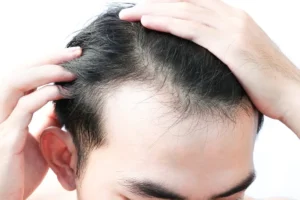
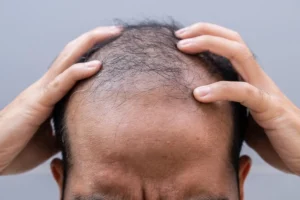
Many people wonder can vitamin d cause hair loss and turn to the internet for answers. Understanding the connection between this essential nutrient and the health of your hair follicles is crucial, especially if you’re noticing thinning strands or patchy bald spots. In this article we’ll explore the science behind vitamin D’s role in hair growth, examine how both deficiency and excess might affect your scalp, and provide practical steps to assess and optimize your levels.
Hair loss affects up to 40 % of men and women at some point in their lives, and nutritional factors are often overlooked. Recent studies suggest that low vitamin d levels are linked to certain types of alopecia, while too much vitamin d may also disrupt the hormonal balance that supports hair follicles. By the end of this guide you’ll have a clear picture of whether vitamin d is a contributing factor for you and what you can do about it.
We’ll cover the following topics: the biological role of vitamin d in the hair cycle, the symptoms of vitamin d deficiency that overlap with hair loss, the potential risks of over‑supplementation, how to test your levels accurately, and dietary strategies to maintain healthy hair. Let’s dive in.
The Role of Vitamin D in Hair Follicle Health
Vitamin D functions as a hormone that influences cell growth and differentiation. Within the skin, it binds to receptors on hair follicle stem cells, helping to regulate the transition from the resting (telogen) phase to the growth (anagen) phase. When these receptors are activated, they promote the production of proteins essential for strong, resilient hair shafts.
Research indicates that individuals with adequate vitamin d levels tend to have a more robust hair growth cycle. Conversely, a lack of the vitamin can impair follicular regeneration, leading to premature shedding. This relationship explains why clinicians often consider vitamin d status when evaluating unexplained hair loss.
- Supports the activation of hair follicle stem cells
- Regulates the hair growth cycle (telogen → anagen)
- Enhances immune modulation, reducing scalp inflammation
Beyond the scalp, vitamin d also contributes to overall skin health, which indirectly benefits hair by maintaining a healthy environment for follicles to thrive.
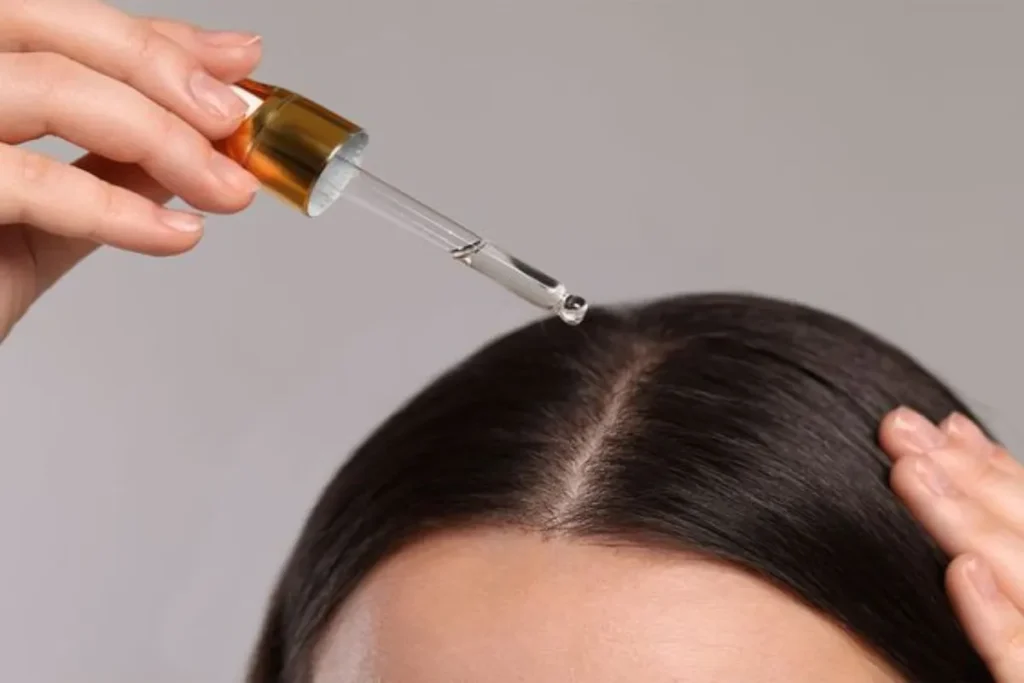
Vitamin D Deficiency and Its Symptoms Related to Hair Loss
When vitamin d levels drop below the optimal range, a cascade of symptoms can appear, many of which are easy to overlook. While classic signs include bone pain and fatigue, dermatological manifestations such as hair thinning are increasingly recognized. The question “can vitamin d deficiency cause hair loss?” is answered affirmatively by several clinical observations.
Key vitamin d deficiency symptoms that overlap with hair health include:
| Symptom | Typical Indicator |
|---|---|
| Hair thinning | Diffuse reduction in hair density, especially on the crown |
| Scalp inflammation | Redness, itching, or flaky skin on the scalp |
| General fatigue | Persistent low energy despite adequate rest |
| Bone and muscle pain | Achy joints, especially in the lower back |
Studies have identified a correlation between low serum 25‑hydroxy vitamin d levels and conditions such as telogen effluvium and alopecia areata. While deficiency alone may not be the sole cause, it often acts as a catalyst that weakens the hair cycle, making follicles more vulnerable to other stressors.
To determine if deficiency is a factor, a simple blood test measuring 25‑hydroxy vitamin d is recommended. Values below 20 ng/mL are generally considered deficient, 20‑30 ng/mL insufficient, and 30‑100 ng/mL sufficient for most individuals.
Can Excess Vitamin D Lead to Hair Loss?
While deficiency is more commonly linked to hair problems, some wonder if taking too much vitamin d could cause the opposite effect. The condition known as hypervitaminosis D results from excessive supplementation and can lead to hypercalcemia, which may disrupt normal hair follicle function.
Symptoms of vitamin d toxicity include nausea, vomiting, weakness, and in severe cases, kidney damage. Regarding hair, elevated calcium levels can interfere with the normal signaling pathways that regulate the hair growth cycle, potentially triggering shedding. However, documented cases of hair loss directly caused by excess vitamin d are rare and typically involve extremely high doses far beyond recommended daily allowances.
For most adults, the safe upper limit is 4,000 IU per day. Exceeding this amount consistently without medical supervision is not advised. If you suspect you are taking too much vitamin d, consult a healthcare professional for a serum calcium test and guidance on adjusting your supplement regimen.
How to Test and Optimize Your Vitamin D Levels for Hair Growth
Accurate testing is the cornerstone of any plan to address hair loss linked to vitamin d. Here’s a step‑by‑step approach:
- Schedule a blood test: Request a 25‑hydroxy vitamin d assay from your physician or a certified laboratory.
- Interpret the results: Compare your level to the standard ranges (deficient, insufficient, sufficient).
- Adjust intake: If deficient, consider a short‑term high‑dose supplement (e.g., 2,000–5,000 IU daily) under medical guidance.
- Monitor progress: Re‑test after 8–12 weeks to ensure levels are moving into the sufficient range.
- Maintain balance: Once optimal, shift to a maintenance dose (800–1,000 IU daily) and combine with sunlight exposure when possible.
In addition to supplementation, lifestyle factors play a role. Regular, moderate sun exposure (10‑15 minutes a few times a week) can boost natural vitamin d synthesis, especially in the summer months. For those living in higher latitudes or with limited outdoor time, fortified foods and targeted supplements become essential.
Remember, vitamin d is just one piece of the puzzle. A comprehensive hair health plan also includes adequate protein, iron, and other micronutrients, as well as gentle hair care practices.
Dietary Sources and Supplements for Healthy Hair
While supplements are useful for correcting deficiencies, whole foods provide a synergistic blend of nutrients that support hair strength and growth. Incorporating the following vitamin d‑rich foods can help maintain optimal levels:
- Fatty fish (salmon, mackerel, sardines)
- Egg yolks
- Fortified dairy products (milk, yogurt)
- Fortified plant milks (almond, soy)
- Mushrooms exposed to UV light
Pair these sources with other hair growth vitamins such as biotin, zinc, and iron to create a balanced nutritional profile. When choosing a supplement, look for products that contain vitamin d3 (cholecalciferol) and are third‑party tested for purity.
It’s also important to be aware of interactions. High doses of vitamin d can affect calcium metabolism, while certain medications (e.g., glucocorticoids) may impair vitamin d absorption. Consulting a healthcare provider before beginning any new supplement regimen ensures safety and effectiveness.
Why Choose Gold City Hair
At Gold City Hair, we understand that hair loss concerns often extend beyond genetics to include nutritional and lifestyle factors. Our experienced team provides personalized consultations that assess your vitamin d status, overall health, and suitability for advanced hair restoration techniques such as FUE and DHI. With transparent communication and a commitment to natural results, we help you achieve lasting confidence through healthy, full hair.
Ready to take control of your hair health? Contact Gold City Hair today for a comprehensive evaluation and discover the best path to restore your hair’s natural fullness.
SSS
D vitamini eksikliği saç dökülmesine neden olabilir mi?
Yes, low vitamin D levels are linked to hair thinning and conditions like telogen effluvium and alopecia areata.
How does vitamin D affect hair follicle health?
Vitamin D acts as a hormone that activates follicle stem cells, regulating the transition from telogen to anagen phases.
What are the symptoms of vitamin D deficiency related to hair loss?
Symptoms include diffuse hair thinning, scalp inflammation, fatigue, and bone or muscle pain.
Can taking too much vitamin D lead to hair loss?
Excessive vitamin D is rare but can cause hypercalcemia, which may disrupt hair follicle signaling and lead to shedding.
How can I test my vitamin D levels for hair health?
Order a 25‑hydroxy vitamin D blood test through your physician or a certified lab.
What foods are rich in vitamin D for hair growth?
Fatty fish, egg yolks, fortified dairy or plant milks, and UV‑exposed mushrooms are top sources.
How much vitamin D should I take to support hair growth?
Typical maintenance doses are 800–1,000 IU daily; higher short‑term doses may be used under medical supervision if deficient.