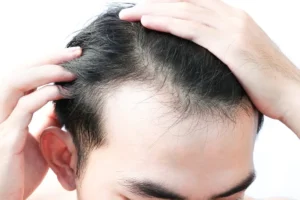
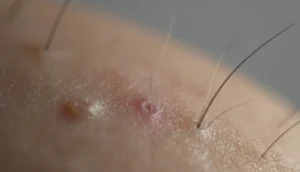
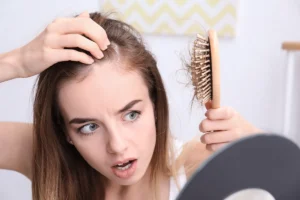
Seeing hair coming out with follicle can be alarming because it suggests that the hair is exiting the scalp still attached to its root. This phenomenon differs from normal shedding, where hair typically slips out without the bulb. Understanding why this happens is essential for anyone concerned about hair loss, scalp health, or overall confidence. According to dermatological studies, up to 30% of individuals notice occasional follicle‑attached shedding during periods of stress or hormonal change.
In this article we will explore the underlying medical conditions, diagnostic methods, and treatment pathways that address hair shedding with the follicle intact. Whether you are dealing with alopecia, folliculitis, or a temporary telogen shift, gaining clarity on the cause can guide you toward the most effective solution.
We’ll also discuss how professional hair restoration, such as the advanced FUE and DHI techniques offered by Gold City Hair, can provide lasting results when conservative measures fall short. Let’s begin by defining what this specific type of hair loss looks like and why it matters.
What Does Hair Coming Out With Follicle Mean?
When hair is expelled from the scalp still attached to its follicle, it usually appears as a short, thick strand ending in a visible bulb. This differs from the typical “white‑dot” hair that falls without a root. The presence of the bulb indicates that the hair has completed its growth phase (anagen) and is being pushed out during the transition to the resting phase (catagen) or during an abrupt shedding event.
Key points to understand:
- Normal daily shedding ranges from 50 to 100 hairs, most of which lack a follicular bulb.
- Follicle‑attached shedding often signals a disruption in the hair cycle, infection, or inflammatory condition.
- Visible bulbs can be a sign of telogen effluvium, severe stress, or an underlying scalp disorder.
Recognizing this pattern early can help you seek appropriate medical advice before extensive thinning occurs.

Medical Conditions That Cause Follicle‑Attached Hair Loss
Several dermatological conditions can lead to hair coming out with the follicle still attached. Understanding these helps narrow down the cause and tailor treatment.
Alopesi Areata
Autoimmune in nature, alopecia areata often produces round bald patches where hairs are shed with the bulb intact. The immune system mistakenly attacks the hair follicle, causing abrupt shedding.
Androgenetik Alopesi
Commonly known as male or female pattern baldness, this condition gradually miniaturizes follicles. In later stages, hairs may break off near the scalp, sometimes appearing as follicle‑attached strands.
Telogen Effluvium
Triggered by stress, illness, or hormonal shifts, telogen effluvium forces a large number of hairs into the telogen phase simultaneously, leading to increased shedding of hairs with bulbs.
Folliculitis and Infections
Inflammation of the hair follicle—whether bacterial, fungal, or viral—can weaken the follicle structure, causing hair to be expelled with the root. Common forms include bacterial folliculitis, fungal folliculitis, and even hot‑tub folliculitis.
Other Factors
- Scalp psoriasis or seborrheic dermatitis
- Traction from tight hairstyles
- Nutritional deficiencies (iron, zinc, vitamin D)
- Medication side effects (e.g., anticoagulants)
| Condition | Typical Presentation | Follicle‑Attached Shedding? |
|---|---|---|
| Alopesi Areata | Round bald patches, sudden onset | Yes |
| Androgenetik Alopesi | Gradual thinning, receding hairline | Occasional |
| Telogen Effluvium | Diffuse shedding after stress | Frequent |
| Folikülit | Red bumps, itching, possible pustules | Common |
How to Diagnose and Differentiate Follicular Shedding
Accurate diagnosis begins with a thorough clinical evaluation. Dermatologists use a combination of visual inspection, trichoscopy, and laboratory tests to pinpoint the exact cause of hair coming out with follicle.
Clinical Examination
The physician examines the pattern of loss, checks for inflammation, and assesses the presence of visible bulbs on shed hairs.
Trichoscopy
This non‑invasive dermatoscopic technique magnifies the scalp, revealing follicular openings, perifollicular scaling, and the characteristic “exclamation mark” hairs of alopecia areata.
Scalp Biopsy
In ambiguous cases, a small punch biopsy provides histological insight, distinguishing between inflammatory and non‑inflammatory processes.
Laboratory Tests
Blood work may include thyroid panel, iron studies, and hormonal assays to rule out systemic contributors.
| Test | Purpose | Typical Findings for Follicular Shedding |
|---|---|---|
| Trichoscopy | Visualize scalp micro‑structures | Exclamation mark hairs, perifollicular scaling |
| Biopsy | Histopathology | Inflammatory infiltrate in alopecia areata |
| Blood Panel | Systemic health check | Low ferritin in telogen effluvium |
Early and precise diagnosis is crucial because treatment pathways differ dramatically between autoimmune, hormonal, and infectious causes.
Treatment Options: From Medication to Hair Transplant
Once the underlying cause of hair coming out with follicle is identified, treatment can be tailored accordingly. Options range from topical agents to surgical restoration.
Medical Therapies
- Minoxidil (2% or 5% topical solution) – stimulates follicular activity, effective for androgenetic alopecia and telogen effluvium.
- Finasteride (oral 1 mg) – blocks DHT conversion, primarily for male pattern baldness.
- Corticosteroid injections – reduce inflammation in alopecia areata.
- Antibiotics or antifungals – target bacterial or fungal folliculitis.
Procedural Interventions
When medication does not yield sufficient regrowth, procedural solutions become viable.
- Platelet‑Rich Plasma (PRP) – concentrates growth factors to rejuvenate dormant follicles.
- Low‑Level Laser Therapy (LLLT) – non‑invasive light treatment promoting circulation.
- Saç Ekimi (FUE, DHI) – relocates healthy follicles from donor zones to thinning areas, offering permanent, natural‑looking results.
Gold City Hair specializes in the latest FUE and DHI techniques, ensuring minimal scarring and high graft survival rates. Patients who undergo transplant after stabilizing underlying conditions often experience lasting density and confidence.
Lifestyle Adjustments and Home Care to Reduce Follicular Shedding
While medical treatment is essential, everyday habits play a supportive role in minimizing hair loss and promoting scalp health.
Beslenme
Consume a balanced diet rich in proteins, omega‑3 fatty acids, iron, zinc, and vitamins A, D, and E. These nutrients are building blocks for robust hair follicles.
Stress Management
Chronic stress can trigger telogen effluvium. Techniques such as mindfulness meditation, regular exercise, and adequate sleep (7‑9 hours) help maintain hormonal balance.
Scalp Care
- Use gentle, sulfate‑free shampoos to avoid irritation.
- Massage the scalp for 5 minutes daily to improve blood flow.
- Avoid excessive heat styling or tight hairstyles that cause traction.
Avoid Harmful Practices
Limit the use of harsh chemicals, frequent bleaching, and over‑use of styling products that can clog follicles and exacerbate folliculitis.
By integrating these lifestyle strategies with professional care, many individuals notice a reduction in the frequency of hair coming out with follicle and an overall improvement in hair vitality.
Why Choose Gold City Hair
Gold City Hair has been delivering personalized hair restoration solutions in Turkey since 2017. Our clinic combines cutting‑edge FUE and DHI techniques with a patient‑first approach, ensuring transparent communication at every step. Our experienced medical team tailors each treatment plan to the individual’s condition, whether it’s managing folliculitis, addressing androgenetic alopecia, or performing a full‑scale hair transplant. Trust a clinic that prioritizes safety, natural results, and lasting confidence.
Ready to stop hair coming out with follicle and regain a fuller, healthier look? Contact Gold City Hair today to schedule a confidential consultation and discover the best treatment path for you.
SSS
What does it mean when hair comes out with the follicle attached?
It indicates that the hair is shedding while still attached to its root bulb, often signaling a disruption in the hair growth cycle or an underlying scalp condition.
Which medical conditions commonly cause follicle‑attached hair shedding?
Alopecia areata, telogen effluvium, folliculitis, androgenetic alopecia, and scalp psoriasis are among the most common causes.
How do dermatologists diagnose follicular shedding?
Through clinical examination, trichoscopy, scalp biopsy, and targeted laboratory tests.
What treatment options are available for hair shedding with the follicle?
Options range from topical minoxidil and oral finasteride to corticosteroid injections, antibiotics, PRP, laser therapy, and hair transplant surgery.
Can lifestyle changes help reduce follicle‑attached hair loss?
Yes, balanced nutrition, stress management, gentle scalp care, and avoiding harsh chemicals can significantly improve hair health.