Recognizing the signs of going bald early can make a big difference in preserving your hair and confidence. Many people notice subtle changes before a noticeable thinning or a receding hairline becomes obvious. Understanding these early indicators helps you act promptly, whether through lifestyle adjustments or professional treatment.
Hair loss affects millions worldwide, with studies showing that up to 40% of men begin experiencing some degree of thinning by age 35. Women are not exempt; hormonal shifts and stress can also trigger noticeable shedding. By learning what to watch for, you can differentiate normal shedding from the early stages of alopecia or androgenetic alopecia.
This article walks you through the most common visual cues, underlying causes, and practical steps you can take. Whether you’re concerned about a widening part, a shiny scalp, or increased hair fall, we’ll help you interpret these signals and decide when it’s time to consult a specialist.
Understanding the Hair Growth Cycle and Common Patterns
The hair follicle goes through three distinct phases: anagen (growth), catagen (transition), and telogen (rest). Disruption in this cycle often manifests as the first signs of going bald. When more follicles enter the telogen phase, you may notice increased shedding during washing or brushing.
Two common patterns emerge:
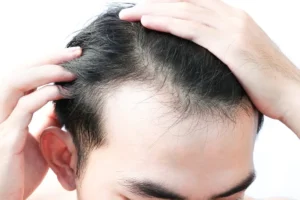
- Male pattern baldness – typically starts with a receding hairline at the temples and thinning at the crown, following the Norwood scale.
- Female pattern thinning – usually presents as diffuse shedding across the scalp, especially around the part line.
Genetics play a major role, but hormones, stress, and nutrition also influence the cycle. Recognizing whether your hair loss aligns with these patterns helps you identify the likely cause.
Visual Indicators: What to Look for on Your Scalp
Spotting the early signs of going bald often begins with a visual inspection. Here are the most reliable cues:
- Thinning at the hairline – a gradual recession, especially around the temples.
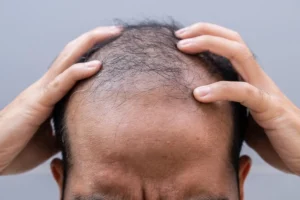
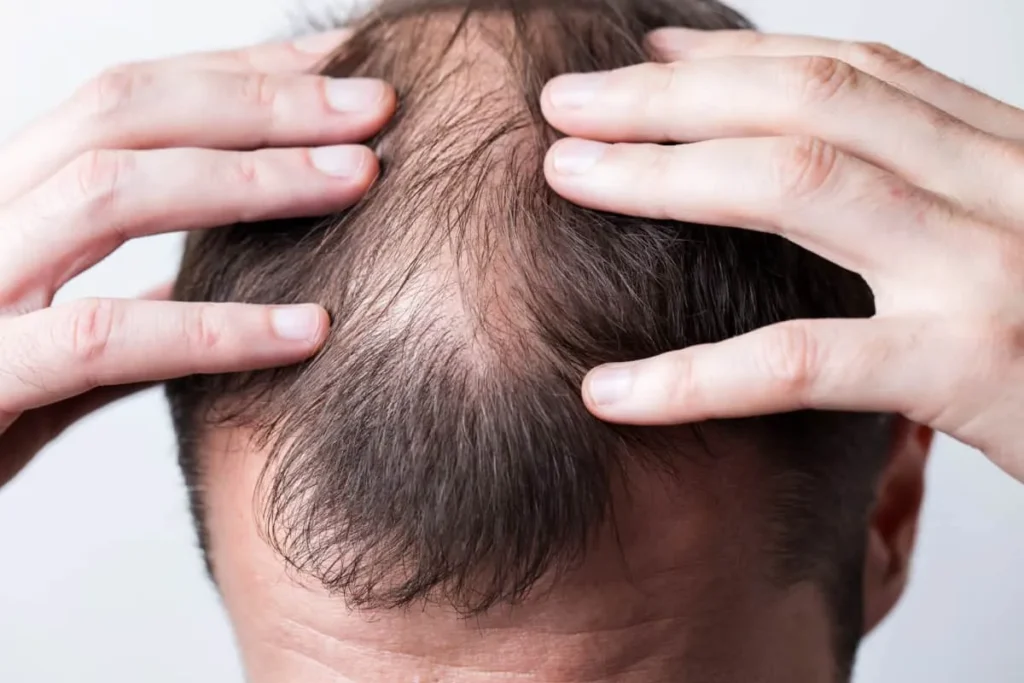
- Increased scalp visibility – a shiny area where hair density is reduced.
- Widening part – the part line becomes noticeably broader.
- Hair shedding – finding more than 100 hairs on a pillow or in the shower.
These signs can be subtle. Using a handheld mirror to view the back of your scalp can reveal early thinning that isn’t obvious from a front view.
| Indicator | Typical Location | What It May Suggest |
|---|---|---|
| Receding hairline | Temples, forehead | Male pattern baldness, androgenetic alopecia |
| Widening part | Mid‑scalp | Female pattern thinning, diffuse alopecia |
| Shiny scalp patches | Crown, top of head | Advanced thinning, possible telogen effluvium |
Underlying Causes: From Genetics to Lifestyle
Identifying the root cause behind the signs of going bald is essential for effective treatment. The most common contributors include:
- Genetic predisposition – known as androgenetic alopecia, it accounts for the majority of male and female pattern hair loss.
- Hormonal changes – fluctuations in testosterone, estrogen, and thyroid hormones can trigger shedding.
- Medical conditions – alopecia areata, thyroid disorders, and autoimmune diseases often manifest as sudden hair loss.
- Stress and nutrition – chronic stress and deficiencies in iron, vitamin D, or protein can lead to telogen effluvium.
- Traction alopecia – caused by tight hairstyles that pull on the hair shaft.
For example, a man noticing a receding hairline may be experiencing the early stages of male pattern baldness, while a woman with diffuse thinning might be dealing with hormonal imbalances or early signs of alopecia.
Understanding whether your hair loss aligns with “bald spot” formation, “hair thinning alopecia,” or a broader “hair fall” pattern guides the next steps, whether lifestyle modification or medical intervention.
When to Seek Professional Evaluation
Not every increase in shedding requires immediate medical attention, but certain thresholds signal the need for a specialist’s assessment. Consider scheduling a consultation if you observe any of the following:
- Rapid hair loss over weeks rather than months.
- Visible bald patches or “bald spot” formation.
- Accompanying scalp symptoms such as itching, redness, or pain.
- Family history of early onset baldness (e.g., father or grandfather bald before 30).
- Concurrent signs of hormonal imbalance, like unexplained weight changes.
A dermatologist or a hair restoration clinic will typically perform a thorough examination, possibly including a trichoscopy, blood tests, and a review of the Norwood scale for men or the Ludwig scale for women. Early diagnosis enables more effective interventions, ranging from topical treatments to advanced procedures like FUE or DHI transplants.
Preventive Measures and Treatment Options
While genetics cannot be changed, many strategies can slow the progression of the signs of going bald and improve overall hair health.
Lifestyle Adjustments
- Maintain a balanced diet rich in iron, zinc, biotin, and omega‑3 fatty acids.
- Manage stress through regular exercise, meditation, or counseling.
- Avoid tight hairstyles that cause traction alopecia.
Medical Treatments
Several FDA‑approved options target the underlying mechanisms of hair loss:
- Minoxidil – a topical solution that prolongs the anagen phase.
- Finasterid – an oral medication that reduces dihydrotestosterone (DHT) levels in men.
- Low‑level laser therapy – stimulates follicular activity.
Surgical Options
For individuals with significant thinning, hair transplantation techniques such as Follicular Unit Extraction (FUE) and Direct Hair Implantation (DHI) provide permanent restoration. These methods, offered by Gold City Hair, ensure natural‑looking results with minimal downtime.
Why Choose Gold City Hair for Hair Restoration
Gold City Hair has been delivering personalized hair restoration solutions in Turkey since 2017. Our clinic specializes in advanced techniques like FUE, DHI, and eyebrow or beard transplants, ensuring each patient receives a treatment plan tailored to their unique pattern of hair loss. With transparent communication and a focus on natural outcomes, we help you regain confidence and a fuller appearance.
Ready to take control of your hair journey? Contact Gold City Hair today for a personalized assessment and discover the best options to address the early signs of going bald.
Book your consultation now and step toward a more confident you.
SSS
What are the early signs of going bald?
Early signs include a receding hairline, thinning at the part, increased scalp visibility, and noticeable hair shedding.
How can I differentiate normal shedding from early hair loss?
Normal shedding is usually less than 100 hairs per day and occurs uniformly, while early hair loss shows localized thinning and increased shedding in specific areas.
When should I see a dermatologist for hair loss?
Consult a dermatologist if you experience rapid hair loss, bald patches, scalp irritation, or have a strong family history of early baldness.
What lifestyle changes can help prevent hair loss?
Maintain a balanced diet, manage stress, avoid tight hairstyles, and ensure adequate sleep and exercise to support hair health.
What medical treatments are available for early hair loss?
FDA‑approved options include topical minoxidil, oral finasteride for men, low‑level laser therapy, and, in advanced cases, hair transplantation techniques like FUE and DHI.