Many people wonder can anxiety make you lose hair and look for clear answers. The link between emotional stress and hair shedding is real, and understanding it can help you take control of both your mental well‑being and your appearance. In this article we explore the biological pathways that connect anxiety to hair loss, identify the most common patterns, and provide practical steps to reduce shedding and promote regrowth.
According to dermatology research, up to 30 % of individuals experiencing a major anxiety episode notice increased hair fall within weeks. This phenomenon is often mistaken for genetic balding, yet it is usually reversible when the underlying stress is managed.
We will cover the hair growth cycle, the role of telogen effluvium, lifestyle adjustments, and medical options—including when a hair transplant may be the best solution. By the end, you’ll have a roadmap to protect your hair while addressing anxiety.
How Anxiety Disrupts the Hair Growth Cycle
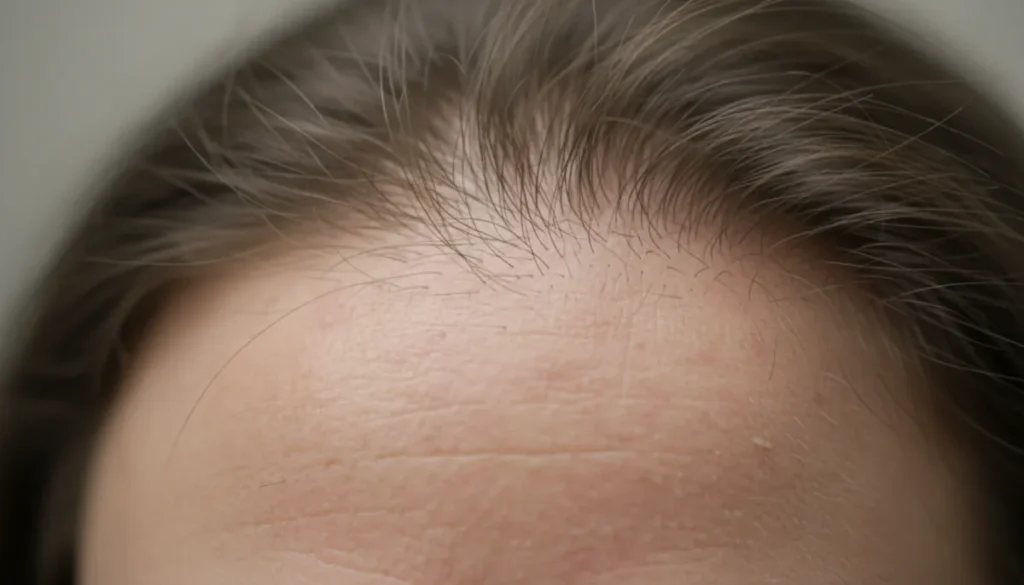
Anxiety triggers the release of cortisol and other stress hormones that circulate throughout the body. These chemicals can push a larger proportion of hair follicles into the telogen phase, the resting stage of the hair cycle. When an unusually high number of follicles enter telogen simultaneously, a condition known as telogen effluvium occurs, leading to noticeable shedding.
Key points of the disrupted cycle include:
- Anagen (growth) shortening: Prolonged stress can shorten the active growth period, reducing the length of new hair.
- Premature entry into telogen: Elevated cortisol signals follicles to pause, causing a sudden increase in hair that is ready to fall out.
- Delayed anagen re‑entry: After the stressor subsides, follicles may take weeks or months to resume normal growth, prolonging the shedding phase.
Studies show that telogen effluvium triggered by anxiety typically begins 2–3 months after the stressful event and can last up to six months, depending on the individual’s resilience and coping mechanisms. While the hair loss is distressing, it is usually non‑scarring, meaning the follicles remain viable for future regrowth.
Recognizing the Signs of Stress‑Induced Hair Loss
Identifying whether anxiety is the culprit behind your hair fall is the first step toward effective treatment. Stress‑related shedding has several hallmark characteristics that differentiate it from genetic alopecia or other disorders.
| Feature | Stress‑Induced (Telogen Effluvium) | Pattern Baldness (Androgenetic Alopecia) |
|---|---|---|
| Onset | 2–3 months after a stressful event | Gradual, often over years |
| Saç dökülme modeli | Diffuse thinning, especially on the top and crown | Receding hairline, vertex thinning |
| Hair shaft condition | Normal thickness, but increased shedding | Miniaturized, thinner hairs |
| Duration | Usually 3–6 months, can be longer if stress persists | Progressive and lifelong |
Other clues include a sudden increase in hair on your pillow, in the shower, or on your brush. If you notice clumps of hair falling out, especially after a particularly anxious episode, it is likely linked to stress. Additionally, many patients report a feeling of tightness or itching on the scalp, which can be a physiological response to elevated cortisol levels.
Managing Anxiety to Prevent Further Hair Shedding
Since anxiety is a modifiable factor, addressing it can significantly reduce hair shedding. Below are evidence‑based strategies that target both the mind and the scalp.
Mind‑Body Practices
- Mindfulness meditation: Daily 10‑minute sessions lower cortisol and improve emotional regulation.
- Deep‑breathing exercises: Techniques such as the 4‑7‑8 method activate the parasympathetic nervous system.
- Progressive muscle relaxation: Reduces physical tension that can exacerbate scalp discomfort.
Lifestyle Adjustments
- Regular physical activity: Moderate exercise (30 minutes, 5 days a week) has been shown to decrease anxiety scores.
- Sleep hygiene: Aim for 7–9 hours of uninterrupted sleep to support hormonal balance.
- Balanced nutrition: Foods rich in B‑vitamins, zinc, and omega‑3 fatty acids nourish hair follicles.
Professional Support
When anxiety feels overwhelming, seeking help from a mental‑health professional is crucial. Cognitive‑behavioral therapy (CBT) and, when appropriate, medication can stabilize mood and, consequently, reduce hair loss. Combining therapy with the scalp‑care tips above creates a comprehensive approach.
Medical Options and When to Seek Professional Hair Care
While lifestyle changes often resolve stress‑related shedding, some individuals may need medical intervention, especially if hair loss persists beyond six months or if the thinning is severe.
Topical and Oral Treatments
- Minoxidil (2 % or 5 %): Promotes follicle blood flow and can shorten the telogen phase.
- Finasteride (for men): Reduces dihydrotestosterone (DHT) levels, useful when anxiety co‑exists with androgenetic factors.
- Nutritional supplements: Biotin, iron, and vitamin D support overall hair health.
Procedural Interventions
If telogen effluvium has transitioned into permanent thinning, or if you desire a faster aesthetic result, hair restoration surgery may be considered. Techniques such as Foliküler Ünite Ekstraksiyonu (FUE) ve Direct Hair Implantation (DHI) offer natural‑looking density with minimal downtime. These procedures are performed by experienced surgeons who assess your donor area, scalp health, and personal goals.
When to Consult a Specialist
Schedule an appointment with a dermatologist or a hair‑restoration clinic if you notice:
- Hair shedding lasting more than six months despite stress‑reduction efforts.
- Visible bald patches or rapid thinning on the crown.
- Accompanying scalp symptoms such as persistent redness, scaling, or pain.
A thorough evaluation—including blood tests to rule out thyroid issues or iron deficiency—ensures that any underlying medical condition is addressed alongside anxiety management.
Long‑Term Strategies for Maintaining Healthy Hair
Preventing future episodes of stress‑related hair loss requires a sustainable routine that nurtures both mind and scalp.
Scalp Hygiene
- Use a mild, sulfate‑free shampoo to avoid stripping natural oils.
- Incorporate a weekly scalp massage to improve circulation.
- Limit heat styling and harsh chemical treatments that can exacerbate follicle stress.
Nutrition and Supplements
Key nutrients that support hair growth include:
| Nutrient | Food Sources | Role in Hair Health |
|---|---|---|
| Biotin (Vitamin B7) | Eggs, nuts, salmon | Strengthens keratin structure |
| Zinc | Pumpkin seeds, lentils | Regulates oil glands, supports growth phase |
| Omega‑3 Fatty Acids | Chia seeds, fatty fish | Reduces inflammation, improves scalp blood flow |
Regular Stress Monitoring
Keep a simple anxiety journal to track triggers and coping successes. When you notice a rise in stress levels, proactively apply the relaxation techniques outlined earlier. Early intervention can halt the cascade that leads to telogen effluvium.
Why Choose Gold City Hair
At Gold City Saç, we combine cutting‑edge transplant technologies with a compassionate, personalized approach. Since 2017, our clinic in Turkey has helped thousands of clients restore confidence through FUE, DHI, and eyebrow or beard transplants. Our team prioritizes transparent communication, thorough pre‑procedure evaluation, and post‑treatment support, ensuring you receive safe, effective, and lasting results.
Ready to take control of your hair health? Contact Gold City Hair today for a free, no‑obligation consultation and discover a tailored plan that addresses both anxiety‑related shedding and long‑term restoration.
Regain your confidence and enjoy a fuller, healthier scalp—your journey starts now.
SSS
Can anxiety cause hair loss?
Yes, anxiety can trigger hair loss through stress‑related hormonal changes that push follicles into the shedding phase.
What is telogen effluvium and how is it linked to anxiety?
Telogen effluvium is a diffuse shedding condition caused by stress that forces hair follicles into the telogen phase.
How can I tell if my hair loss is stress‑related or genetic?
Stress‑related loss is usually diffuse and sudden, while genetic loss shows a patterned recession over years.
What lifestyle changes help prevent anxiety‑related hair loss?
Mindfulness, regular exercise, adequate sleep, and a balanced diet rich in B‑vitamins, zinc, and omega‑3s can reduce shedding.
When should I consider medical treatment for anxiety‑related hair loss?
If shedding persists beyond six months despite stress‑reduction, or if you develop bald patches, seek a dermatologist or hair‑restoration specialist.





