PRP alopecia is a cutting‑edge therapy that uses platelet‑rich plasma to stimulate dormant hair follicles and promote new growth. As hair loss affects millions worldwide, many patients are turning to this minimally invasive option to regain confidence without surgery.
In this article we explore how the treatment works, what to expect during the procedure, its effectiveness for various forms of alopecia, and practical considerations such as cost and safety. Whether you are dealing with androgenic alopecia, alopecia areata, or other hair‑loss conditions, understanding the science behind PRP can help you decide if it is the right solution for you.
Recent studies suggest that patients who undergo a series of PRP sessions can see a noticeable increase in hair density within three to six months. This makes PRP an attractive alternative or complement to traditional hair‑restoration methods like FUE or DHI.
Read on to discover the key benefits, step‑by‑step process, and why choosing an experienced clinic matters for optimal results.
How PRP Works for Hair Loss
Platelet‑rich plasma (PRP) is derived from a small amount of the patient’s own blood, which is then centrifuged to concentrate platelets. These platelets release growth factors such as platelet‑derived growth factor (PDGF), transforming growth factor‑beta (TGF‑β), and vascular endothelial growth factor (VEGF). When injected into the scalp, these factors:
- Activate stem cells in the hair follicle bulge.
- Increase blood supply to the follicle, delivering essential nutrients.
- Extend the anagen (growth) phase of the hair cycle.
- Reduce inflammation that can accelerate hair shedding.
Because the plasma is autologous—taken from the patient’s own body—the risk of allergic reaction or rejection is virtually eliminated.
| Growth Factor | Primary Role in Hair Regeneration |
|---|---|
| PDGF | Stimulates cell proliferation and angiogenesis. |
| VEGF | Improves blood vessel formation, enhancing follicle nutrition. |
| TGF‑β | Modulates inflammation and supports extracellular matrix remodeling. |
| IGF‑1 | Promotes hair shaft elongation and follicle health. |
Patients typically notice thicker strands and reduced shedding after a series of treatments, especially when PRP is combined with proper scalp care.
The PRP Procedure: What to Expect
The process is straightforward but requires careful preparation to maximize results. Below is a typical timeline for a single PRP session:
- Consultation: The physician assesses hair loss pattern, medical history, and suitability for PRP.
- Blood Draw: Approximately 10‑20 ml of blood is taken from the arm.
- Centrifugation: The sample is spun at high speed to separate platelet‑rich plasma from red blood cells.
- Scalp Preparation: The target area is cleaned and, if needed, a mild anesthetic cream is applied.
- Injection: Using a fine‑gauge needle, the clinician injects PRP into the scalp at 1‑cm intervals.
- Post‑Treatment Care: Patients are advised to avoid washing the scalp for 24 hours and to limit strenuous activity for a day.
Most clinics recommend a series of 3‑4 sessions spaced 4‑6 weeks apart, followed by maintenance sessions every 4‑6 months.
| Stage | Typical Duration |
|---|---|
| Consultation & Planning | 30–45 minutes |
| Blood Draw & Centrifugation | 15–20 minutes |
| Scalp Injection | 20–30 minutes |
| Recovery & After‑care | Immediate, with minimal downtime |
Because the treatment uses your own plasma, there is no risk of disease transmission, and most patients report only mild redness or swelling that resolves within a day.
Effectiveness of PRP for Different Types of Alopecia
PRP is not a one‑size‑fits‑all solution; its success varies with the underlying cause of hair loss. Below is a quick overview of how PRP performs across common alopecia categories.
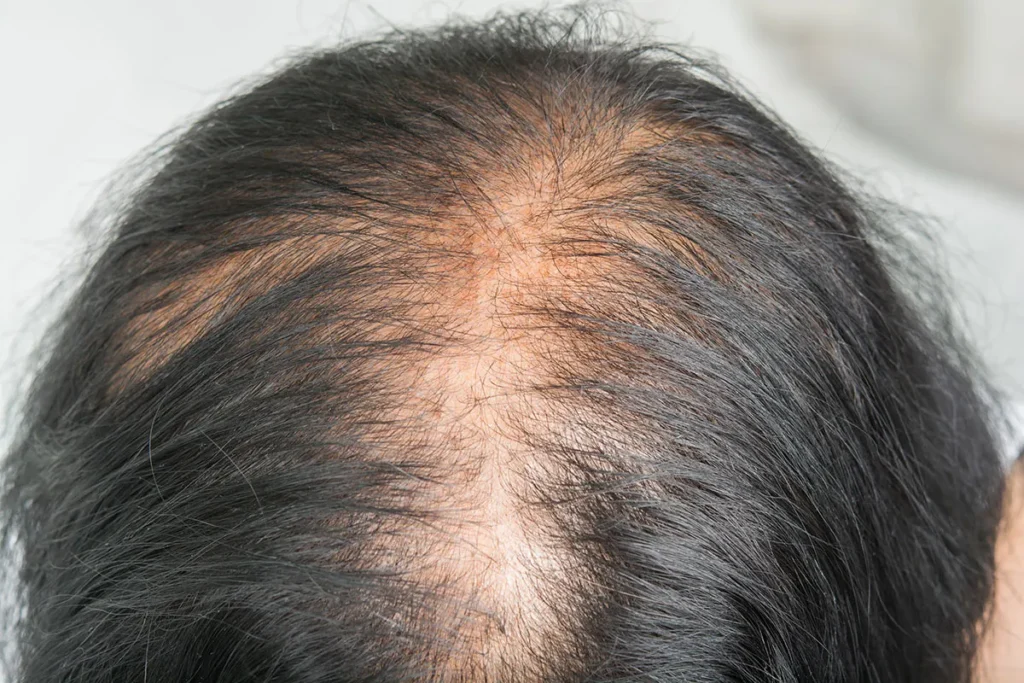
- Androgenic Alopecia (Male/Female Pattern Baldness): Studies show a 30‑40% increase in hair density after 3‑4 sessions, especially in early‑stage cases.
- Alopecia Areata: PRP can reduce patchy inflammation and promote regrowth, but results are more variable and often combined with corticosteroid injections.
- Scarring Alopecia: Because scar tissue limits follicle viability, PRP alone may offer limited benefit; it is usually paired with microneedling or surgical options.
- Traction Alopecia: When the damage is not yet permanent, PRP can rejuvenate weakened follicles and halt progression.
Overall, the therapy works best when hair follicles are still present but dormant. Patients with extensive follicular loss may see modest improvements and are often advised to consider transplantation techniques such as FUE or DHI.
Key factors influencing success include the number of sessions, platelet concentration, and the skill of the practitioner. Combining PRP with other regenerative treatments—like microneedling or low‑level laser therapy—can also enhance outcomes.
Cost, Safety, and Common Questions About PRP
Understanding the financial and safety aspects helps you make an informed decision. In Turkey, the cost of a full PRP course (3‑4 sessions) typically ranges from $800 to $1,500, depending on clinic reputation and equipment used.
| Factor | Typical Range |
|---|---|
| Single Session | $200–$400 |
| Full Treatment Package (3‑4 sessions) | $800–$1,500 |
| Maintenance Session (every 4‑6 months) | $150–$300 |
Safety is a major advantage of PRP. Because the plasma is autologous, adverse reactions are rare. Reported side effects are limited to mild soreness, temporary swelling, or pinpoint bruising at injection sites.
Common questions include:
- How many sessions are needed? Most patients start seeing results after 3‑4 sessions.
- Is PRP suitable for all ages? It is generally safe for adults over 18; younger patients should consult a specialist.
- Can PRP be combined with other hair‑loss treatments? Yes, it works well alongside minoxidil, finasteride, microneedling, and even hair‑transplant procedures.
- What is the “cost of platelet rich plasma PRP injections” in Turkey? Prices are competitive compared to many Western markets, offering high‑quality care at a fraction of the cost.
When evaluating a clinic, ask about the platelet concentration they achieve, the experience of the medical team, and whether they follow standardized protocols for preparation and injection.
Combining PRP with Other Hair Restoration Techniques
Many patients achieve the best results by integrating PRP with established surgical methods. Here’s how PRP can complement popular procedures offered at Gold City Hair:
- FUE (Follicular Unit Extraction): PRP applied to the donor and recipient areas can accelerate graft healing and improve graft survival rates.
- DHI (Direct Hair Implantation): Using PRP immediately after implantation reduces inflammation and promotes quicker hair shaft emergence.
- Eyebrow & Beard Transplants: PRP can enhance the density and longevity of transplanted hairs in facial areas.
- Microneedling: When performed before PRP injection, microneedling creates micro‑channels that allow deeper platelet penetration.
Integrating PRP into a comprehensive hair‑restoration plan not only speeds up recovery but also maximizes the overall aesthetic outcome. Patients who receive PRP alongside their transplant often report thicker, more natural‑looking results within weeks.
Gold City Hair’s specialists tailor each protocol to the individual’s hair‑loss pattern, ensuring that PRP is used at the optimal concentration and timing for maximum benefit.
Why Choose Gold City Hair for PRP Alopecia
Gold City Hair has been delivering personalized hair‑restoration solutions since 2017. Our clinic combines state‑of‑the‑art equipment with a team of experienced dermatologists and surgeons who specialize in PRP therapy. We prioritize transparent communication, thorough pre‑treatment assessments, and post‑procedure support to ensure each patient achieves realistic, lasting results.
Choosing us means accessing a proven track record of successful PRP courses, competitive pricing, and a comfortable environment designed for your confidence and comfort.
Ready to revitalize your hair with PRP? Contact Gold City Hair today to schedule a personalized consultation and start your journey toward fuller, healthier hair.
Take the first step now—your confidence is just a call away.
SSS
How does PRP stimulate hair growth?
PRP delivers concentrated growth factors that activate stem cells, improve blood flow, and extend the hair’s growth phase.
What is the typical timeline for a PRP session?
A single session takes about 1‑1.5 hours, including consultation, blood draw, centrifugation, and scalp injection.
Is PRP effective for androgenic alopecia?
Studies show a 30‑40% increase in hair density after 3‑4 PRP sessions, especially in early‑stage cases.
What are the costs of PRP treatment in Turkey?
A full PRP course (3‑4 sessions) typically costs between $800 and $1,500.
Can PRP be combined with other hair‑loss treatments?
Yes, PRP works synergistically with minoxidil, finasteride, microneedling, and hair‑transplant procedures.
Are there any side effects of PRP therapy?
Side effects are mild and include temporary redness, swelling, or pinpoint bruising at injection sites.





