Bu autoimmune diseases that cause hair loss in women are a growing concern, affecting millions worldwide and often leading to emotional distress. Understanding why the immune system attacks hair follicles is essential for effective treatment and confidence restoration. Recent studies show that up to 20% of women experiencing unexplained hair thinning have an underlying autoimmune condition.
This article explores the most common autoimmune disorders linked to hair loss, how they differ from other forms of alopecia, and what diagnostic steps are recommended. By the end, you’ll have a clear roadmap for managing symptoms and exploring professional solutions, including advanced hair restoration options offered by Gold City Hair.
Whether you’re noticing patchy bald spots, gradual thinning, or sudden shedding, recognizing the signs early can prevent further progression and open doors to targeted therapies.
Understanding Autoimmune-Related Hair Loss
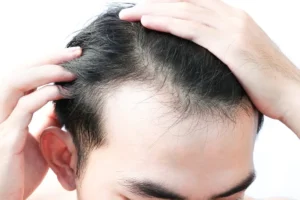
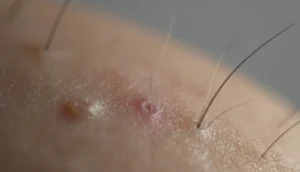
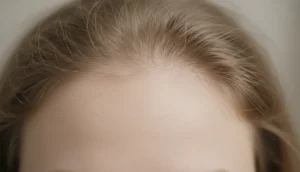
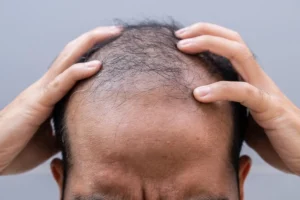
When the body’s defense system mistakenly targets its own tissues, hair follicles can become collateral damage. This process is often invisible to the naked eye until noticeable hair loss occurs. Unlike typical male‑pattern baldness, autoimmune hair loss may present as sudden patches, diffuse thinning, or even complete loss of scalp hair.
Key mechanisms include:
- Inflammatory cytokines disrupting the hair growth cycle.
- Auto‑reactive T‑cells attacking follicular stem cells.
- Altered hormone signaling that accelerates follicle miniaturization.
These factors contribute to conditions such as alopecia areata, where the immune system attacks hair follicles, leading to round bald patches. While alopecia areata can affect anyone, women often experience additional stress due to societal expectations around hair.
Other autoimmune triggers include systemic lupus erythematosus, which can cause diffuse hair thinning, and thyroid disorders that disturb hormonal balance, further weakening hair shafts.

Common Autoimmune Conditions Leading to Hair Loss in Women
Several autoimmune diseases are directly linked to hair loss in women. Recognizing these conditions helps patients seek appropriate medical care and consider restorative procedures when needed.
| Condition | Typical Hair Loss Pattern | Additional Symptoms |
|---|---|---|
| Alopesi Areata | Patchy bald spots, sometimes total scalp loss (alopecia totalis) | Rapid onset, possible nail pitting |
| Systemic Lupus Erythematosus (SLE) | Diffuse thinning, especially on the scalp | Joint pain, facial rash, fatigue |
| Hashimoto’s Thyroiditis | Gradual thinning, often along the hairline | Weight gain, cold intolerance, sluggish metabolism |
| Pernicious Anemia | Overall thinning, brittle hair | Fatigue, tingling in hands and feet |
| Vitiligo (associated autoimmune response) | Localized loss of pigment, sometimes accompanied by hair loss in affected areas | White patches on skin |
While alopecia areata is the most recognized form, lupus hair loss and thyroid‑related shedding are equally significant. Women with these conditions often report that hair loss is one of the first visible signs prompting a medical evaluation.
Understanding the specific pattern can guide clinicians toward accurate diagnosis and tailored treatment plans.
How Autoimmune Hair Loss Differs from Other Types of Alopecia
Not all hair loss stems from autoimmune activity. Distinguishing autoimmune‑related shedding from hormonal, genetic, or mechanical causes is crucial for effective treatment.
Key differences include:
- Onset Speed: Autoimmune hair loss often appears suddenly, whereas androgenic alopecia progresses gradually over years.
- Pattern: Patchy bald spots are hallmarks of alopecia areata, while diffuse thinning suggests thyroid or lupus involvement.
- Associated Symptoms: Systemic signs such as fatigue, joint pain, or skin rashes point toward an autoimmune origin.
In contrast, female baldness (androgenic alopecia) typically follows a predictable recession at the crown and frontal hairline, driven by hormonal sensitivity rather than immune attack.
Another distinct condition is telogen effluvium, where stress or nutritional deficiencies push hairs into the shedding phase, but this is usually temporary and not driven by immune mechanisms.
Accurate differentiation enables clinicians to prescribe immunomodulatory therapies, such as corticosteroids or JAK inhibitors, instead of solely relying on topical minoxidil, which is more effective for non‑autoimmune patterns.
Diagnosis and Medical Evaluation
Proper diagnosis begins with a thorough medical history and physical examination. Dermatologists often perform a scalp biopsy to confirm autoimmune activity, especially when distinguishing alopecia areata from other forms.
Common diagnostic tools include:
- Blood tests for antinuclear antibodies (ANA) to detect lupus.
- Thyroid function panels (TSH, free T4) for Hashimoto’s.
- Complete blood count (CBC) to assess anemia.
- Trichoscopy – a dermatoscopic examination of the scalp.
These tests help identify the underlying autoimmune trigger, allowing for targeted medical therapy. Early detection is vital; the longer the immune system attacks the follicles, the greater the risk of permanent scarring, which limits future hair restoration options.
Patients should also discuss any family history of autoimmune disorders, as genetic predisposition can influence both disease onset and response to treatment.
Treatment Options and Managing Expectations
Managing hair loss caused by autoimmune diseases involves a two‑pronged approach: controlling the immune response and restoring hair density.
Medical therapies may include:
- Topical or intralesional corticosteroids to reduce inflammation.
- Systemic immunosuppressants such as methotrexate or mycophenolate.
- JAK inhibitors (e.g., tofacitinib) that have shown promise in alopecia areata trials.
- Thyroid hormone replacement for hypothyroidism‑related shedding.
When medical management stabilizes the condition, many women consider hair restoration procedures. At Gold City Hair, advanced techniques like Follicular Unit Extraction (FUE) and Direct Hair Implantation (DHI) can safely transplant healthy follicles into scar‑free zones, delivering natural‑looking results.
It’s important to set realistic expectations: while transplantation can rebuild density, it does not cure the underlying autoimmune disorder. Ongoing medical follow‑up remains essential to maintain graft survival.
Patients are encouraged to adopt supportive lifestyle habits—balanced nutrition, stress reduction, and gentle hair care—to complement medical and surgical interventions.
Why Choose Gold City Hair
Gold City Hair combines years of expertise with cutting‑edge technology to address hair loss rooted in autoimmune conditions. Since 2017, the clinic has delivered personalized care, transparent communication, and proven results through FUE, DHI, and specialized eyebrow and beard transplants. Our team collaborates closely with dermatologists and endocrinologists to ensure that medical treatment and hair restoration work hand‑in‑hand, giving women the confidence they deserve.
Ready to take the first step toward regaining a fuller, healthier head of hair? Contact Gold City Hair today for a personalized consultation and discover how our expert team can help you overcome autoimmune‑related hair loss.
SSS
What autoimmune diseases commonly cause hair loss in women?
The most common are alopecia areata, systemic lupus erythematosus, Hashimoto’s thyroiditis, pernicious anemia, and vitiligo‑related autoimmune responses.
How can I differentiate autoimmune hair loss from other types of alopecia?
Autoimmune hair loss usually appears suddenly with patchy or diffuse patterns and may be accompanied by systemic symptoms, unlike the gradual progression of androgenic alopecia.
What diagnostic tests are used to identify autoimmune-related hair loss?
Doctors use blood tests for ANA, thyroid panels, CBC, and scalp biopsies or trichoscopy to confirm autoimmune activity.
What treatment options are available for autoimmune hair loss?
Treatments include topical or intralesional corticosteroids, systemic immunosuppressants, JAK inhibitors, thyroid hormone replacement, and hair‑restoration surgery once the disease is controlled.
Can hair transplantation cure autoimmune hair loss?
No, transplantation restores density but does not treat the underlying autoimmune condition; ongoing medical management is essential.
Why should women consider Gold City Hair for autoimmune‑related hair loss?
Gold City Hair offers specialized expertise, collaborates with medical specialists, and uses advanced FUE and DHI techniques tailored for women with autoimmune conditions.